
Municipal facility planning crisis looms as funding dries up and expert workforce retires
Local authorities across the UK face a growing crisis in maintaining and planning public facilities as experienced staff retire and central government funding becomes increasingly scarce. The challenge is particularly acute for London boroughs managing ageing civic buildings, libraries, leisure centres and depots.
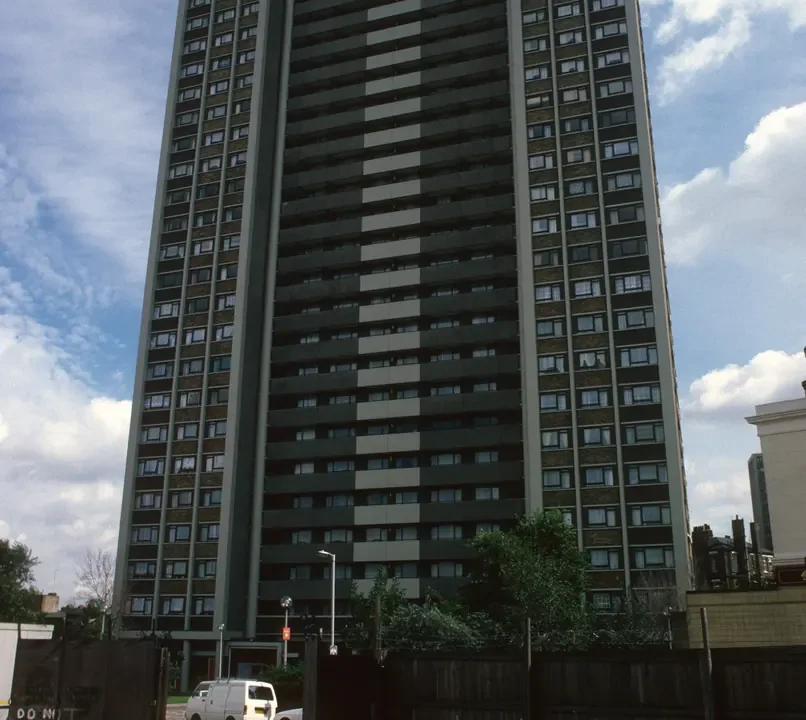
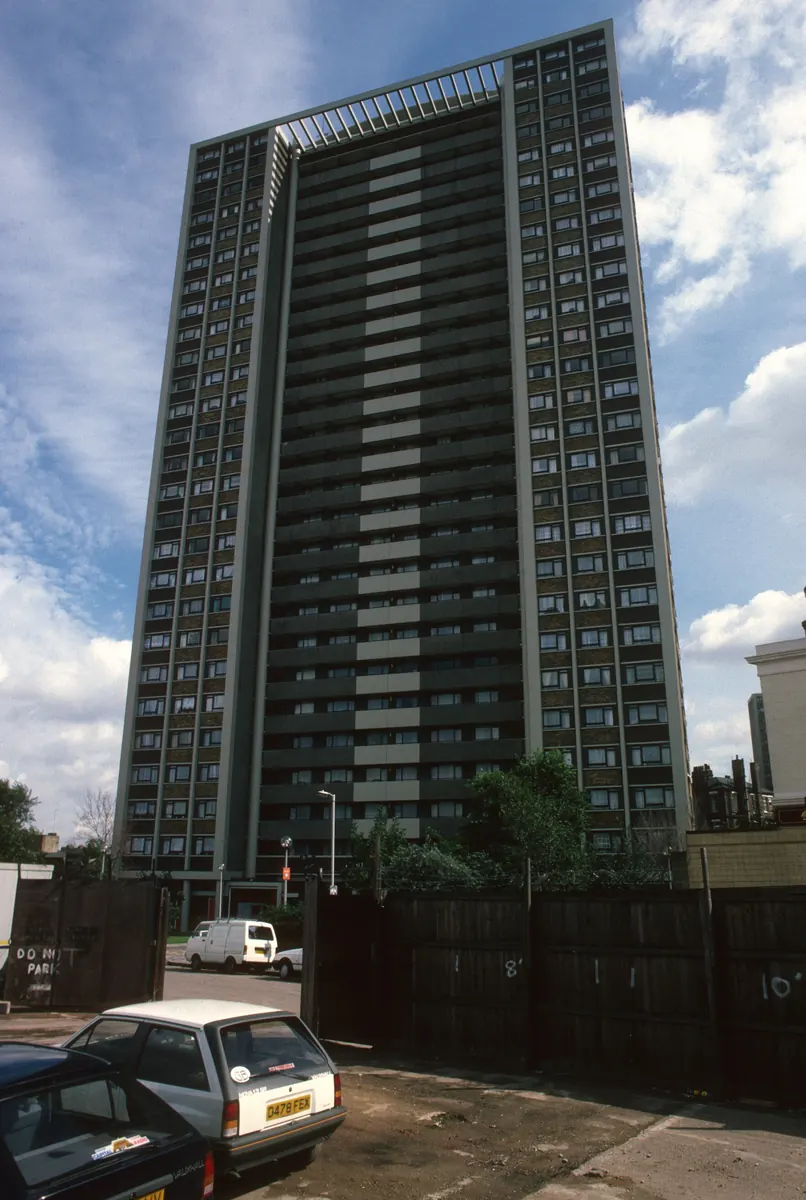
Local authorities across the United Kingdom are facing a deepening crisis in municipal facility planning as ageing buildings require ever more investment while experienced public sector professionals retire and central government funding continues to shrink. The challenge, which affects everything from libraries and leisure centres to council depots and civic offices, is particularly acute in London where boroughs manage some of the oldest and most intensively used public building stock in the country.
A recent analysis published by Smart Cities Dive highlights how local leaders urgently need a new playbook for facility planning as the twin pressures of funding scarcity and workforce depletion converge. While the article draws primarily on US examples, the structural problems it identifies closely mirror those confronting London boroughs and other UK local authorities.
Por que importa
The core problem is straightforward but its consequences are far-reaching. Many municipal facilities were built during the post-war expansion of public services in the 1950s, 1960s and 1970s. These buildings are now reaching the end of their designed lifespan. At the same time, the cohort of facilities managers, building surveyors and public sector engineers who understand these assets is retiring. Local government has struggled to recruit and retain younger professionals with the specialist skills needed to plan and deliver complex capital projects.
Funding constraints compound the workforce problem. Central government grants to local authorities have fallen substantially in real terms over the past decade and a half. London boroughs have been particularly affected because they rely heavily on business rates retention and council tax income, both of which face political ceilings and economic uncertainty. Capital budgets for building maintenance and replacement have been squeezed repeatedly, leading to a growing backlog of deferred repairs.
Contexto
Key facts
| Issue | Current situation |
|——-|——————-|
| Building age | Many civic facilities built 1950s-1970s, nearing end of design life |
| Workforce | Experienced facilities managers and surveyors retiring; recruitment difficult |
| Funding | Central government grants reduced; capital budgets squeezed |
| Maintenance backlog | Growing deferred repairs across London borough estates |
The workforce dimension deserves particular attention. Public sector facilities planning requires a combination of technical knowledge about building systems, understanding of local government procurement rules, and familiarity with the specific regulatory environment for public buildings. This expertise has traditionally been built up over decades within individual authorities. As senior staff retire, institutional knowledge about building histories, previous alterations, hidden structural issues and local supply chains is being lost.
London boroughs face additional complexity because many operate within constrained sites where expansion is impossible and listed building consent may be required for alterations. The Greater London Authority’s London Plan sets density and design standards that affect how boroughs can redevelop their own sites. Balancing heritage constraints, modern accessibility requirements, net-zero carbon targets and tight budgets is a formidable planning challenge.
The funding picture shows no sign of improving. The government’s autumn statement and subsequent spending reviews have not reversed the long-term trend of reducing local government capital allocations. While some specific funding streams exist for school buildings, social housing and transport infrastructure, there is no dedicated capital programme for general municipal facilities. Boroughs must compete for limited funds from their own reserves, capital receipts from asset sales, and borrowing capacity constrained by the Prudential Code.
Some London authorities have begun exploring innovative approaches. A handful of boroughs have established arms-length property companies to manage and develop their civic estates more commercially. Others have entered into joint ventures with private sector partners to redevelop council depots and offices, capturing development value to cross-subsidise public facilities. A few are consolidating multiple facilities onto single sites to reduce running costs and improve service integration.
However, these approaches carry their own risks. Commercial property ventures expose councils to market downturns. Joint ventures require lengthy procurement processes and complex legal agreements. Consolidation can mean closing local facilities that communities value, triggering political opposition and reducing accessibility for residents who rely on walking-distance services.
The planning system itself adds another layer of complexity. Any significant redevelopment of a council-owned site requires planning permission, which means public consultation, committee decisions and potential call-in by the Mayor of London or the Secretary of State. Boroughs planning to redevelop their own facilities must navigate the same planning process as any private developer, but with the added scrutiny that comes from spending public money on a project that will affect local services.
For residents, the consequences of inadequate facility planning are tangible. Libraries with leaking roofs, leisure centres with outdated pool plant, community halls with inadequate heating, and council offices that fail accessibility standards all directly affect the quality of public services. When facilities close temporarily or permanently for repairs, residents lose access to services that may not be available elsewhere within reasonable travel distance.
The climate resilience angle adds further urgency. Many existing municipal buildings are poorly insulated and rely on fossil fuel heating. Retrofitting them to meet net-zero carbon targets will require substantial capital investment that most boroughs have not yet budgeted for. Delaying this work will only increase costs and carbon emissions in the meantime.
What is not yet clear is whether central government recognises the scale of this problem. No comprehensive survey of the condition of England’s municipal facility estate exists. The Ministry of Housing, Communities and Local Government does not publish data on maintenance backlogs for council buildings outside the education and housing sectors. Without better data, it is difficult for boroughs to make the case for increased capital funding or for the Treasury to assess the long-term liability.
The Smart Cities Dive analysis suggests that local leaders need to fundamentally rethink how they approach facility planning. Rather than treating buildings as isolated assets to be maintained reactively, authorities should develop strategic asset management plans that integrate capital investment, workforce development, service delivery and climate goals. This requires a level of cross-departmental coordination that many councils still struggle to achieve.
For London boroughs, the next few years will be critical. As the post-war building stock continues to age and experienced staff continue to retire, the cost of inaction will grow. The choice facing local authorities is whether to invest now in a strategic approach to facility planning or to continue deferring decisions until buildings fail and services are disrupted.
Source: Smart Cities Dive – Municipal facility planning amid funding and workforce scarcity (https://www.smartcitiesdive.com/spons/municipal-facility-planning-amid-funding-and-workforce-scarcity/828091/)
Datos clave
| Punto | Detalle |
|---|---|
| Fuente | Smart Cities Dive |
| Fecha | 2026-08-24T15:20:49+00:00 |
| Tema | Municipal facility planning amid funding and workforce scarcity |
Fuente
Smart Cities Dive Publicacion original: 2026-08-24T15:20:49+00:00
Related updates

New York Poll Shows Overwhelming Bipartisan Support for Apartments Near Transit, Highlighting Contrast with London’s Own Housing Debate
A new poll from Open New York finds 79% of voters support building multi-family homes near rail stations, as the governor’s race…
Read update
Seattle City Attorney Launches New Community Court and Repeat Offender Programme Amid Public Defender Concerns
Seattle City Attorney Erika Evans has launched Connection Court, a new community court programme, alongside a punitive High-Priority Repeat Offenses system. The…
Read update
Seattle’s Centers & Corridors Zoning Update Delayed by Environmental Review Ruling
A state hearings board ruling has forced Seattle to rework the environmental impact statement for its twenty-year growth plan, pushing the next…
Read update
FEMA disaster mitigation grants freeze threatens to stall UK resilience learning, planners warn
A US Government Accountability Office report says $2.2 billion in FEMA Building Resilient Infrastructure and Communities grants remain unresolved, delaying more than…
Read update