
Portland, Maine opens first affordable LGBTQ+ senior housing complex
The 54-unit Equality Commons complex in Portland, Maine, is the state’s first affordable housing property intended for LGBTQ+ older adults. Demand far exceeds supply, with four times as many applicants as available units.
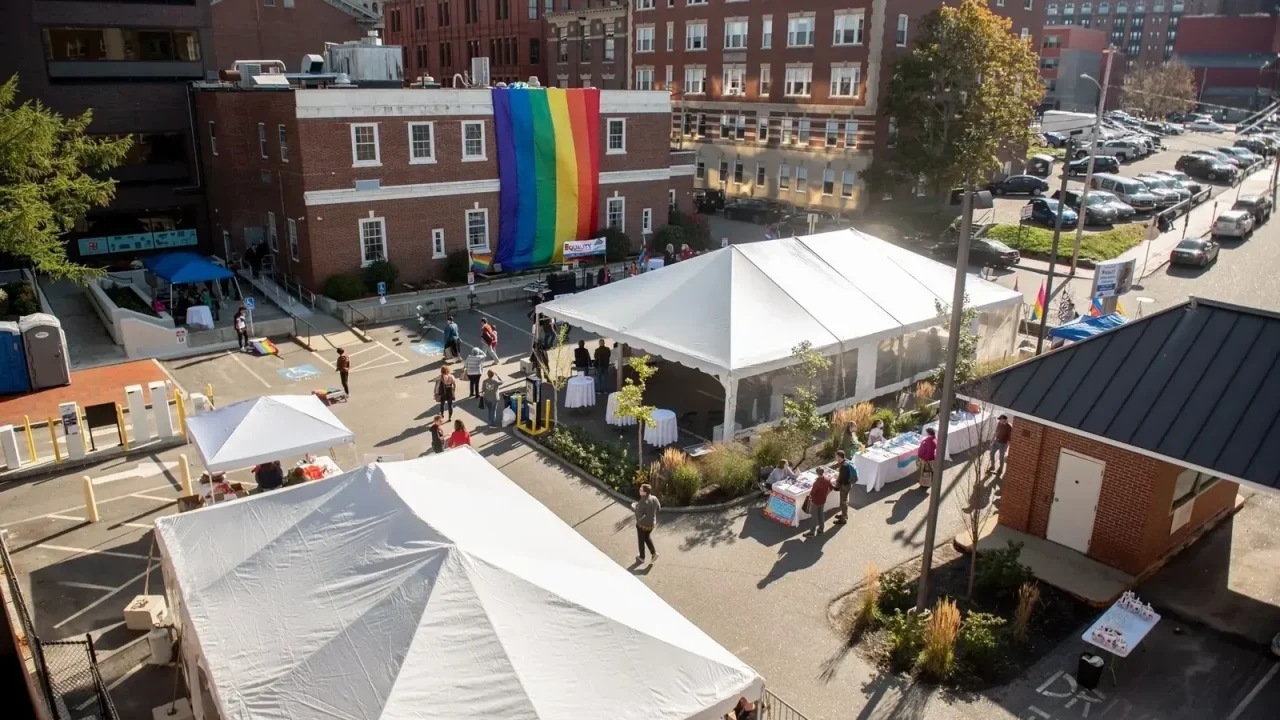
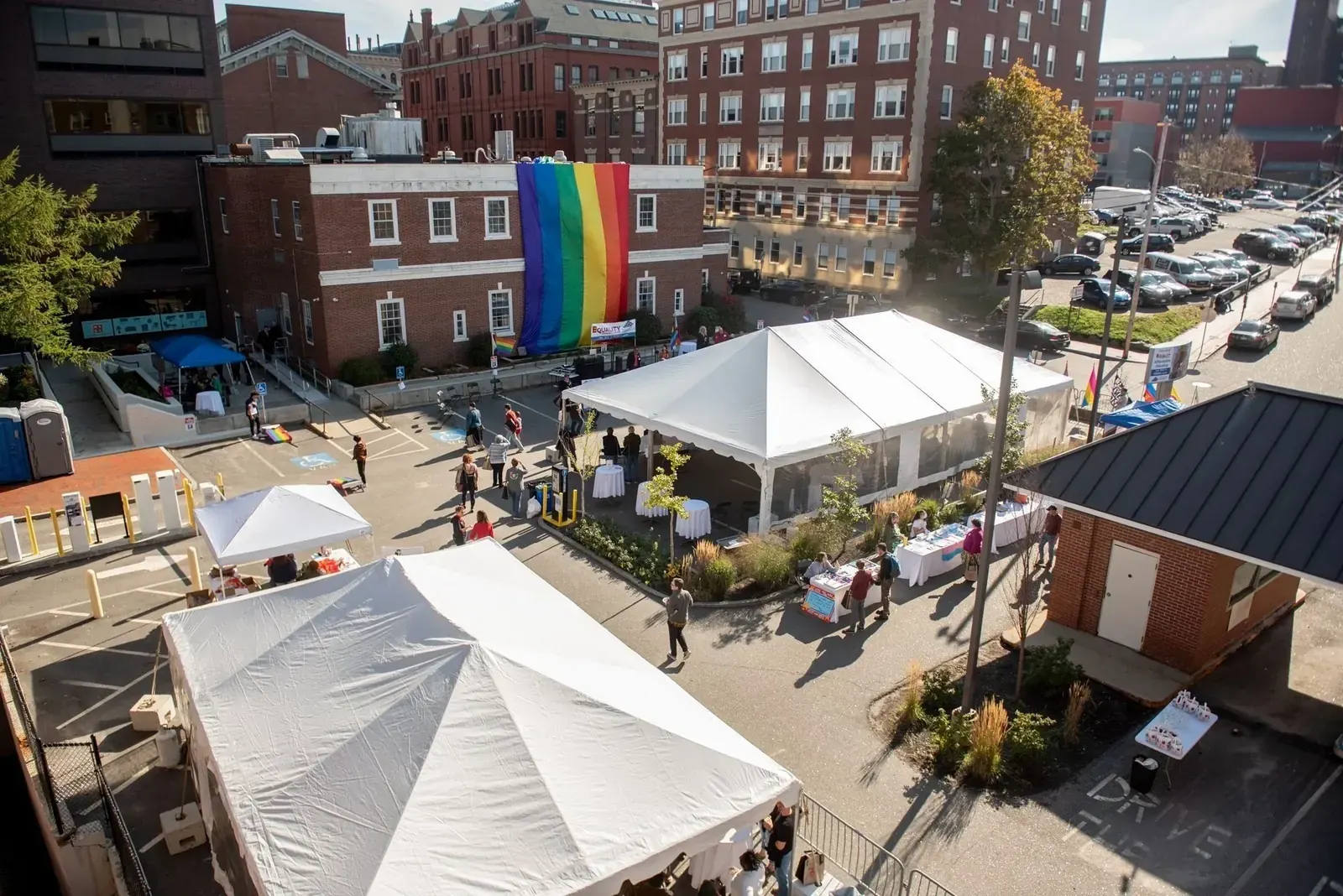
Portland, Maine, has opened the state’s first affordable housing complex specifically intended for LGBTQ+ older adults, a 54-unit development called Equality Commons. The property, which opened on Wednesday, has already received four times as many applications as it has units, underscoring the acute need for housing that combines affordability with an inclusive environment for older LGBTQ+ residents.
Located adjacent to the Equality Community Center, the development offers residents access to wellness resources and community programming on site. The complex is designed to address a specific gap in Maine’s housing market: older LGBTQ+ adults often face not only rising rents and scarce supply but also the risk of discrimination or social isolation in conventional senior housing.
Project details and unit mix
Equality Commons contains 54 units, of which 19 qualify as accessible. Eleven units are specifically earmarked for people with disabilities or those living with HIV/AIDS. The development is not restricted exclusively to LGBTQ+ people; eligibility requires that at least one household member be aged 55 or older, and household income must not exceed 50 or 60 percent of Portland’s median income, depending on the unit.
The building’s location next to the Equality Community Centre is intended to foster social connection and provide easy access to support services. The centre offers wellness programming and community events, creating a broader campus-like environment for residents.
Demand and affordability pressures
The scale of demand illustrates the depth of the need. With applications running at four times the number of available units, many older LGBTQ+ adults in the Portland area will remain on waiting lists. The development is funded through a combination of temporary subsidies and market mechanisms, which raises questions about long-term affordability. For tenants who cannot buy and for future cohorts of older renters, the financial sustainability of the project will depend on continued public and philanthropic support.
Nationally, LGBTQ+ seniors face higher poverty rates than their peers and are more likely to live alone, making affordable, welcoming housing a critical issue. Projects like Equality Commons are still rare; most US states have only a handful of dedicated LGBTQ+ senior housing developments.
Key facts
| Detail | Information |
|---|---|
| Total units | 54 |
| Accessible units | 19 |
| Units for people with disabilities or HIV/AIDS | 11 |
| Income eligibility | Up to 50% or 60% of area median income |
| Age requirement | At least one household member aged 55+ |
| Applicant-to-unit ratio | 4:1 |
Implications for housing policy
Equality Commons demonstrates a model that could be replicated elsewhere, but it also reveals the limitations of project-by-project approaches. The four-to-one applicant ratio suggests that a single development, however well-designed, cannot meet the scale of demand in a mid-sized city like Portland. For planners and housing advocates, the project highlights the need for dedicated funding streams for LGBTQ+ senior housing, as well as protections against discrimination in mainstream affordable housing.
The development also raises questions about how affordability is sustained. The project currently relies on temporary subsidies and market goodwill, according to reporting by the Maine Wire. Without permanent affordability covenants or operating subsidies, tenants may face rent increases over time.
What this means for London readers
While this development is in Maine, the underlying issues resonate in London. London has a large and growing older LGBTQ+ population, but dedicated housing options remain limited. The capital’s high land costs and competitive affordable housing market make it difficult to deliver specialist schemes without cross-subsidy or public land. Projects like the one in Portland offer a reference point for community-led housing models and the importance of linking affordable housing with social infrastructure.
London boroughs and the Greater London Authority could look at how zoning, planning gain and community land trusts might support similar developments. The Portland example also underscores the importance of designing housing that is explicitly inclusive, rather than relying on generic nondiscrimination policies alone.
Source: Planetizen News, reporting on the Maine Wire article “Maine’s First LGBTQ+-Focused Affordable Senior Housing Complex Opens in Portland” (August 19, 2026). https://www.planetizen.com/news/2026/08/138255-portland-unveils-maines-first-affordable-housing-complex-lgbtq-seniors
Fuente
Planetizen News Publicacion original: 2026-08-20T16:00:00+00:00
Related updates
New York Poll Shows Overwhelming Bipartisan Support for Apartments Near Transit, Highlighting Contrast with London’s Own Housing Debate
A new poll from Open New York finds 79% of voters support building multi-family homes near rail stations, as the governor’s race…
Read update
Seattle City Attorney Launches New Community Court and Repeat Offender Programme Amid Public Defender Concerns
Seattle City Attorney Erika Evans has launched Connection Court, a new community court programme, alongside a punitive High-Priority Repeat Offenses system. The…
Read update
Seattle’s Centers & Corridors Zoning Update Delayed by Environmental Review Ruling
A state hearings board ruling has forced Seattle to rework the environmental impact statement for its twenty-year growth plan, pushing the next…
Read update
FEMA disaster mitigation grants freeze threatens to stall UK resilience learning, planners warn
A US Government Accountability Office report says $2.2 billion in FEMA Building Resilient Infrastructure and Communities grants remain unresolved, delaying more than…
Read update