
West Coast Cities Explore Vacancy Taxes to Combat Housing Shortages
Facing high commercial vacancies and escalating housing needs, cities like Portland, Seattle, and Tacoma are considering vacancy taxes as a tool to encourage property owners to put underutilised spaces to more productive use, potentially increasing housing supply and revitalising urban cores.
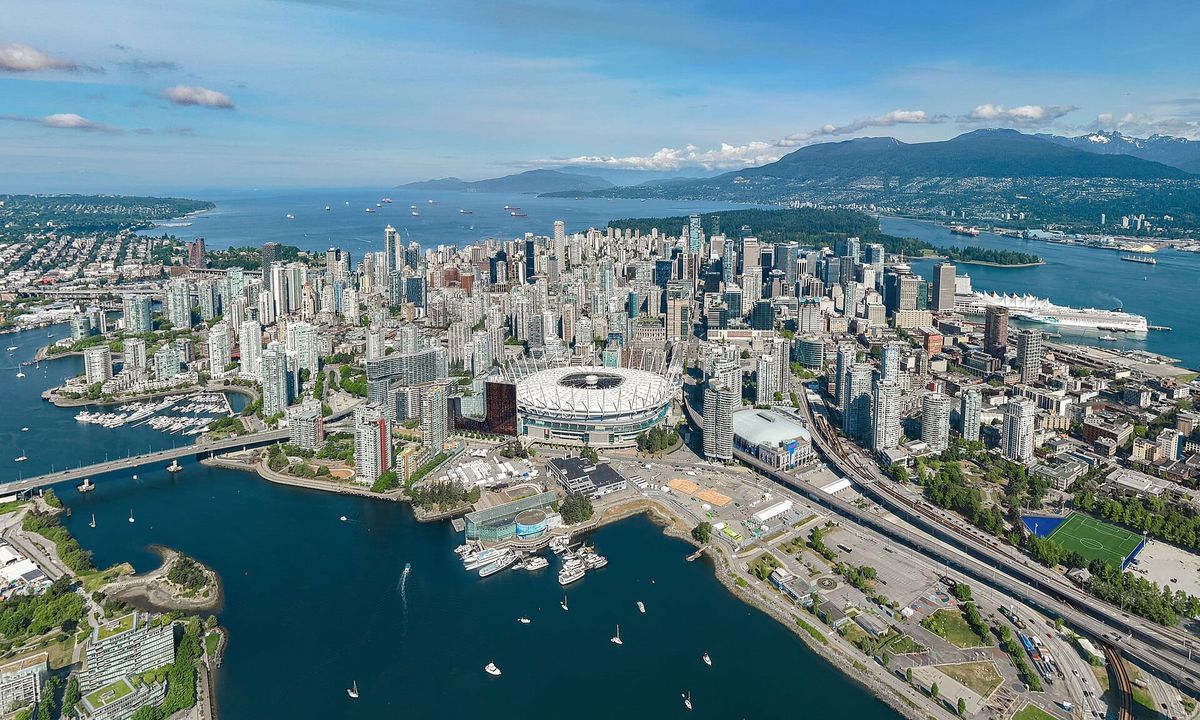
Cities along the West Coast are increasingly looking towards vacancy taxes as a potential solution to the persistent housing crisis and the growing problem of underutilised commercial properties. Portland, Seattle, and Tacoma are weighing the implementation of such taxes to incentivise property owners to either sell or rent out their vacant spaces at market rates, thereby aiming to increase housing availability and boost economic activity in their downtown areas.
The issue is starkly visible in cities like Portland, where by the fourth quarter of 2025, downtown office vacancies reached a post-pandemic high of 27%. Similarly, Seattle reported commercial vacancy rates between 25% and 34.7%. These empty spaces, often collecting weeds and litter, alongside numerous “For Lease” signs, represent significant lost potential for urban livability and economic vibrancy.
Why it matters
The economic theory behind a vacancy tax is straightforward: property owners are financially penalised for leaving their properties empty, creating a strong incentive to lower asking rents or sell the property. This makes retaining a vacant property as a speculative asset less attractive compared to bringing it into productive use. Policymakers hope this will lead to lower commercial rents and a greater focus on developing housing within city centres.
Key facts
- Cities Considering: Portland, Seattle, Tacoma
- Primary Goal: Increase housing supply, reduce commercial vacancies
- Theoretical Mechanism: Tax on vacant properties to incentivize use
- Regional Precedent: Vancouver, B.C.’s Empty Home Tax and Speculation and Vacancy Tax
Case studies from other North American cities offer valuable insights. Washington, D.C., implemented a tax on vacant residential and commercial properties in 2018, with rates increasing for blighted properties, aiming to bring them back into “productive use.” In 2020, San Francisco voters approved Proposition D, which taxes street-facing commercial properties vacant for more than six months annually.
Context
Perhaps the most influential regional example is Vancouver, British Columbia. In 2017, the city introduced an “Empty Home Tax” (EHT) of 3% on the assessed value of vacant residential properties. This was complemented by the provincial government’s Speculation and Vacancy Tax (SVT). Together, these measures are credited with significantly reducing the residential vacancy rate to 0.49% by the end of 2024, a dramatic decrease from Seattle’s 6.6% apartment vacancy rate during the same period.
The primary intention of Vancouver’s taxes was not revenue generation but to disincentivise speculation and the removal of residential properties from the long-term rental market. While this objective was largely met, the taxes also generated substantial revenue. By 2024, Vancouver had collected over 202 million Canadian dollars (approximately US$150 million) from the EHT, with annual collections around 30 million Canadian dollars (approximately US$22 million). This revenue has been earmarked for affordable housing projects.
However, the Vancouver model’s impact on housing affordability remains a subject of debate. A 2024 study by the C.D. Howe Institute suggested that while the tax increased housing availability by reducing empty homes without negatively impacting new construction, it did not significantly affect average rents. This indicates that while vacancy taxes can improve supply, they may not be a panacea for affordability issues and might require complementary policies.
A key distinction in Vancouver’s approach is its focus on residential properties. Commercial spaces are typically subject to different considerations due to longer lease agreements and the potential for extended periods of renovation or improvement. Furthermore, the shift towards remote work following the pandemic has left many office spaces stubbornly vacant across various cities, including Portland. Even if commercial rents were to decrease significantly due to a vacancy tax, the persistently low demand for office space, exacerbated by concerns about tenant safety and high local taxes compared to neighbouring areas, could hinder efforts to fill these vacancies.
For Washington State cities like Seattle and Tacoma, enacting a vacancy tax faces a potential hurdle: state legislation may be required to clear the path for such measures, as local governments have limited taxation powers primarily revolving around property taxes. The effectiveness of a vacancy tax in addressing both commercial vacancies and housing shortages will depend on careful design, consideration of existing market conditions, and potentially integration with broader housing and economic development strategies.
Source:
The Urbanist (https://www.theurbanist.org/west-coast-cities-turn-to-vacancy-taxes-to-grapple-with-housing-crisis/)
Fuente
The Urbanist Publicacion original: 2026-05-23T21:32:43+00:00
Related updates
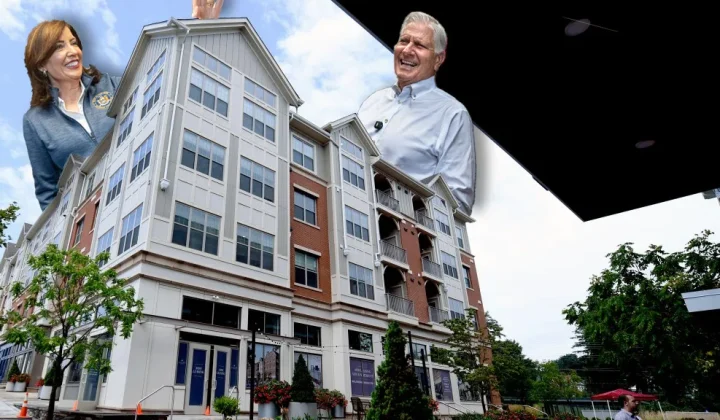
New York Poll Shows Overwhelming Bipartisan Support for Apartments Near Transit, Highlighting Contrast with London’s Own Housing Debate
A new poll from Open New York finds 79% of voters support building multi-family homes near rail stations, as the governor’s race…
Read update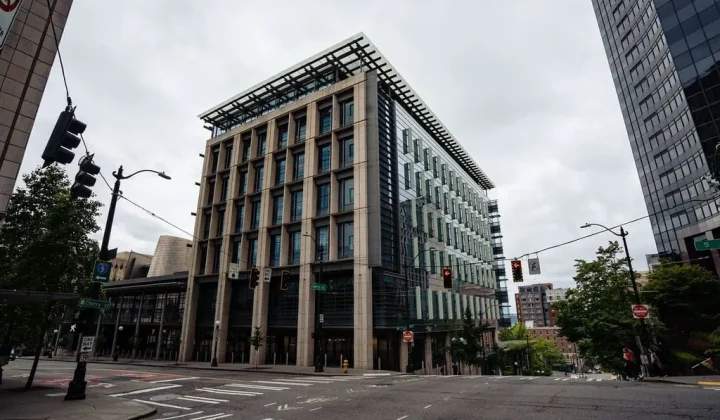
Seattle City Attorney Launches New Community Court and Repeat Offender Programme Amid Public Defender Concerns
Seattle City Attorney Erika Evans has launched Connection Court, a new community court programme, alongside a punitive High-Priority Repeat Offenses system. The…
Read update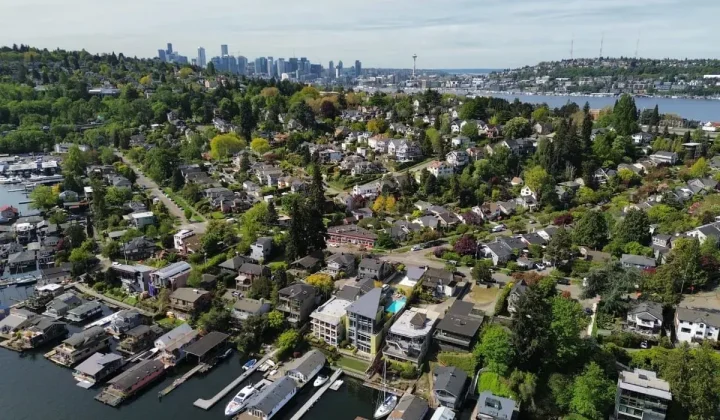
Seattle’s Centers & Corridors Zoning Update Delayed by Environmental Review Ruling
A state hearings board ruling has forced Seattle to rework the environmental impact statement for its twenty-year growth plan, pushing the next…
Read update
FEMA disaster mitigation grants freeze threatens to stall UK resilience learning, planners warn
A US Government Accountability Office report says $2.2 billion in FEMA Building Resilient Infrastructure and Communities grants remain unresolved, delaying more than…
Read update