
Autonomous Vehicle Trials in NYC Raise Questions for London’s Urban Planning
Recent trials of autonomous vehicles (AVs) in New York City have highlighted significant safety and urban impact concerns, providing crucial lessons for London's future transport strategy.
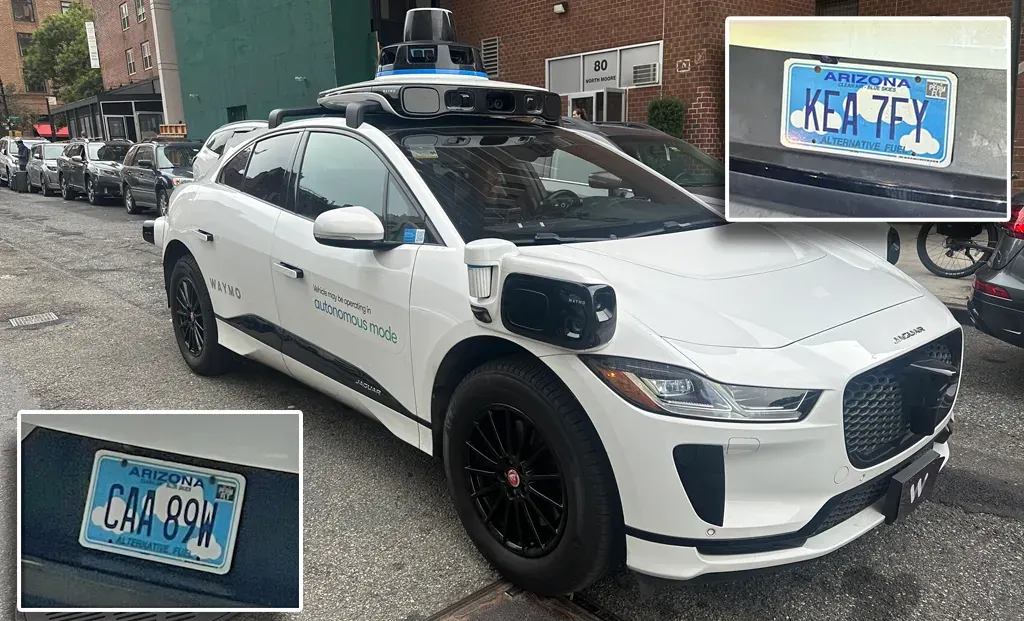
The recent experiences from autonomous vehicle (AV) trials in New York City offer critical insights for London’s ongoing urban planning and transport strategies. While London has yet to see widespread deployment of driverless taxis, the challenges and controversies emerging from trials elsewhere underscore the need for cautious and evidence-based approaches to integrating AVs into complex urban environments.
Initial reports from New York City, particularly concerning Waymo’s autonomous taxi operations, initially suggested a potential for improved safety. However, a closer examination of the trials reveals a more nuanced picture, especially regarding the transition between autonomous and human-driven modes.
Key Trial Observations
| Point | Detail | Source |
|---|---|---|
| Location | New York City | Streetsblog NYC |
| Company | Waymo | Streetsblog NYC |
| Trial Period | Commenced 2025; human intervention noted after March 31, 2026 | Streetsblog NYC |
| Core Finding | AVs safer when fully autonomous; human intervention led to increased safety incidents | Streetsblog NYC |
| Report Date | July 21, 2026 | Streetsblog NYC |
Safety Concerns and Human Intervention
A central finding from the New York trials, as reported by Streetsblog NYC, highlights a significant discrepancy in safety performance. When Waymo vehicles operated in fully autonomous mode, their safety record appeared robust. However, a marked increase in traffic violations and incidents was observed after March 31, 2026, when human drivers reportedly took over driving duties following the expiration of state and city testing permits.
This switch led to a surge in infractions, including speeding and dangerous driving, raising questions about the protocols for human intervention, driver training, and accountability. Waymo acknowledged these incidents, stating that safety is “core to our mission” and promising a “thorough review” with their driving operations partners to understand the root causes of the violations. This situation points to potential vulnerabilities in hybrid operational models where human drivers might be less accustomed or adequately prepared to operate vehicles previously managed by sophisticated autonomous systems.
Impact on Congestion and Vehicle Miles Traveled
Beyond immediate safety, the broader urban impact of autonomous vehicles is a significant consideration for cities like London. Reports from entities like Open Plans and Sam Schwartz’s institute at Roosevelt House, as cited by Streetsblog NYC, cast doubt not only on Waymo’s safety record but also on the potential for AVs to exacerbate urban congestion.
Specifically, there are concerns that the widespread deployment of robotaxis could lead to “millions more vehicle miles traveled.” This potential increase in traffic volume, rather than a reduction, could undermine London’s strategic goals for reducing congestion, improving air quality, and promoting sustainable transport modes such as walking and cycling. For a city already grappling with traffic management and environmental targets, understanding this potential effect is paramount.
Lessons for London’s Urban Strategy
London’s approach to integrating new transport technologies must carefully consider these findings. The city’s transport authority, Transport for London (TfL), and the Greater London Authority (GLA) are continually evaluating how emerging technologies can align with the Mayor’s Transport Strategy, which prioritizes public transport, walking, and cycling.
The New York experience suggests several key areas for London to focus on:
Rigorous Testing Protocols: Any future AV trials in London must implement stringent testing protocols that clearly define operational modes, driver responsibilities, and incident reporting mechanisms.
Public Safety and Accountability: Clear lines of accountability for AV operators, especially in hybrid operational models, are crucial. Public trust depends on transparent investigations and appropriate actions following any safety incidents.
Congestion Management: A thorough assessment of the potential impact of AVs on vehicle miles traveled and urban congestion is necessary. Policies may need to be developed to mitigate any adverse effects on traffic flow and public transport ridership.
Integration with Existing Infrastructure: London’s complex road network and diverse public realm require AV technologies to seamlessly integrate without compromising the safety and accessibility of vulnerable road users.
What remains unclear
While the New York experience provides valuable data, specific details regarding the training and oversight of the human drivers who took over Waymo vehicles are not fully elaborated in the initial reports. Further investigation into the exact circumstances leading to the increase in violations—whether it was a systemic issue with driver competence, operational pressures, or a lack of familiarity with the vehicles—would be beneficial. Additionally, the long-term societal and economic impacts of widespread AV adoption on urban employment and accessibility remain areas requiring more comprehensive study.
Source: https://nyc.streetsblog.org/2026/07/21/waymo-human-drivers-safety-autonomous-cars-safety
Fuente
Streetsblog NYC Publicacion original: 2026-07-21T04:01:00+00:00
Related updates

US mayors rank housing affordability as top crisis as costs squeeze cities
A new survey from the US Conference of Mayors finds affordable housing leading city leaders’ concerns as the rising cost of living…
Read update
A transect for sprawl: can classifying suburban streets help London rethink its edges?
A planner’s thought experiment proposes a tiered system for rating commercial and residential streets by walkability. Could a similar taxonomy help London…
Read update
Seattle School Board Member Challenges Washington State MAGA-Backed Initiatives
Seattle School Board member Joe Mizrahi has issued a detailed critique of three Washington State ballot initiatives funded by a hedge fund…
Read update
Lessons from Los Angeles: How housing policies can deter new development – a cautionary tale for London
Los Angeles developers are scaling back projects despite huge housing demand, blaming pandemic-era rent protections and a mansion tax that encourages small-scale…
Read updateWiki relacionada

Urban Planning Terms: Density, Public Realm and Transit-Oriented Development
A living glossary for terms that appear again and again in planning and development stories.
Read update