
E-Bike Safety Sparks Debate Amidst Rising Injuries and Misleading Marketing
As e-bike popularity surges, so do injuries, prompting a closer look at device classification, speed capabilities, and the impact of unregulated online sales.
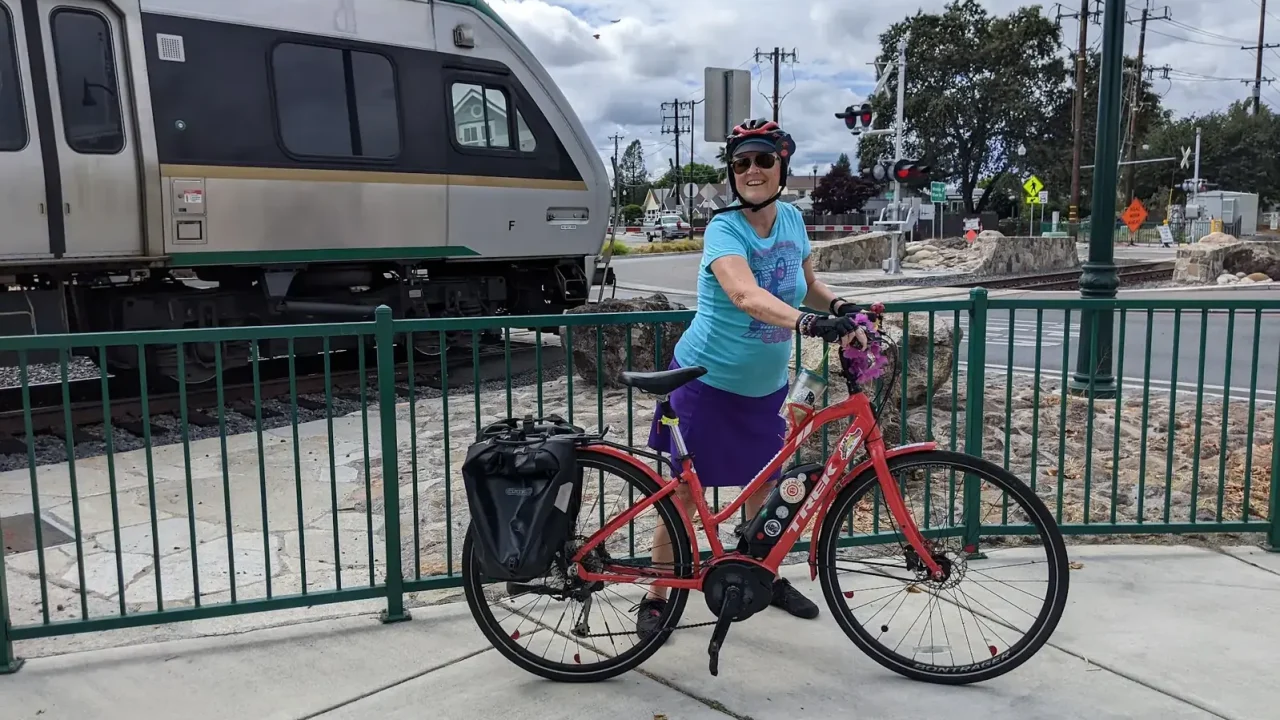
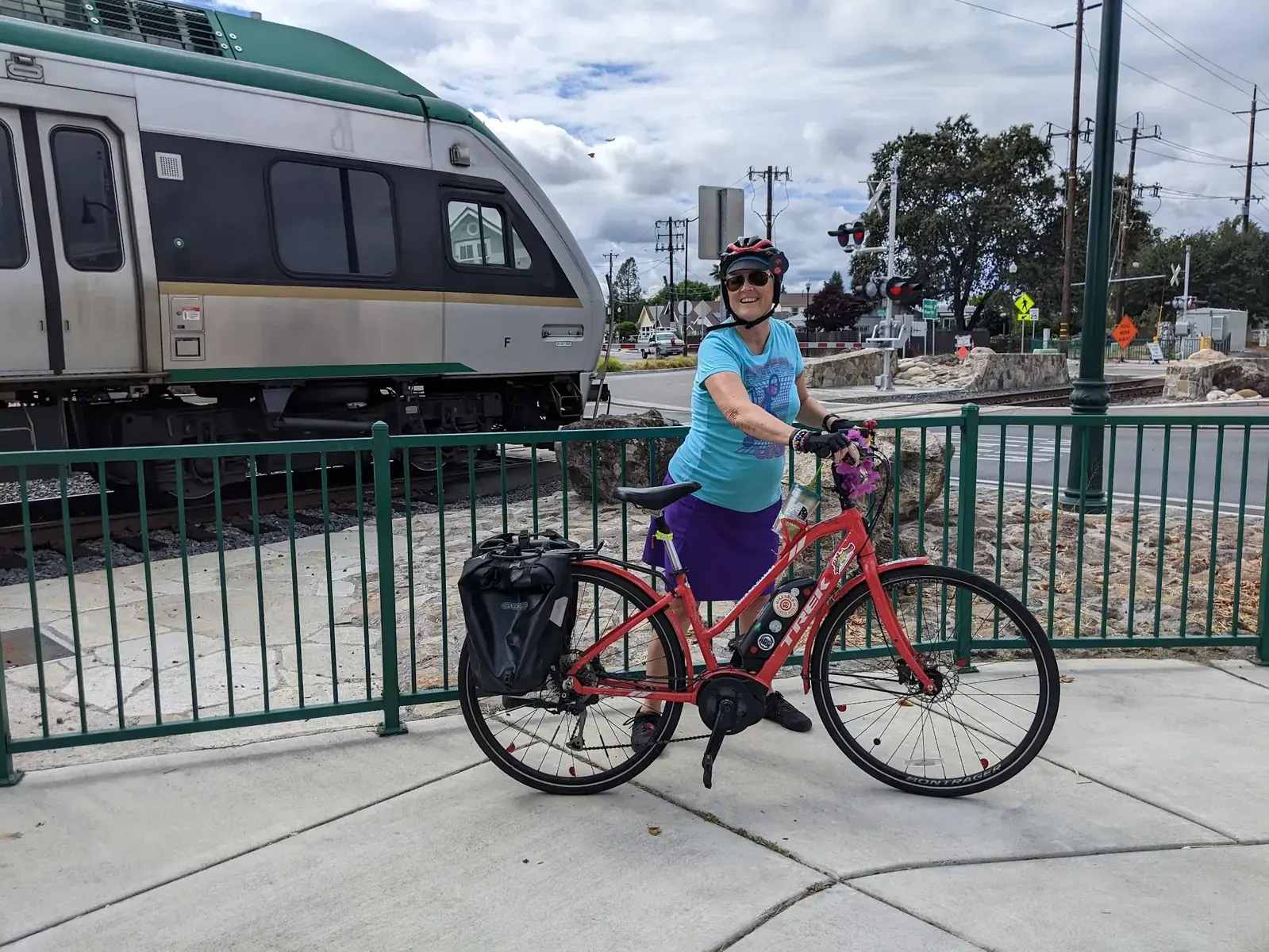
The growing adoption of e-bikes, lauded for their ability to extend cycling’s reach and accessibility, is now accompanied by a concerning rise in related injuries. While e-bikes offer significant benefits, including enabling longer commutes without excessive exertion and assisting individuals with reduced physical capacity, their increasing prevalence has led to a surge in accidents and more severe injuries.
Nationwide data from the Consumer Product Safety Commission indicated approximately 7,000 injuries associated with electric bikes, scooters, and similar devices in 2025. For perspective, this figure is dwarfed by the two and a half million injuries recorded in motor vehicle crashes in the same year. However, the focus on e-bike-related incidents has intensified, particularly concerning incidents involving high-speed collisions with pedestrians and other road users, often perpetrated by younger riders.
Por que importa
A key factor in this discussion is the distinction between legal e-bikes and more powerful, faster electric motorcycles, often marketed deceptively as e-bikes. The California Vehicle Code defines e-bikes into three classes, all of which must have operable pedals, a motor not exceeding 750 watts, and a maximum speed of 20 mph on throttle alone. E-scooters have separate regulations, requiring riders to possess a driver’s license or learner’s permit and limiting speeds to 15 mph, with prohibitions against sidewalk riding or carrying passengers.
Challenges arise from online manufacturers and marketers who sell devices exceeding these legal specifications, mislabeling them as e-bikes. This practice leads to consumers, often unaware of the discrepancies, purchasing devices that are not street-legal. Such situations can result in riders being cited by law enforcement, even when parents believed they were buying compliant equipment for their children.
Contexto
Legislative efforts are underway to address this issue. SB 1167, currently progressing through the California legislature, aims to impose penalties on marketers engaging in these deceptive practices. Concurrently, organizations like the Sonoma County Bicycle Coalition are collaborating with law enforcement and community groups to promote safe and responsible e-bike usage through public education initiatives.
The Sonoma County Bicycle Coalition emphasizes that reducing injuries from e-bikes and similar devices requires a multi-faceted approach involving parents, educators, law enforcement, and community organizations. Their recommendations underscore the need for collaborative efforts to ensure riders understand and adhere to safety guidelines and legal requirements.
Key facts
| Aspect | Detail |
|---|---|
| Injury Data (2025) | ~7,000 injuries from e-bikes, scooters, and similar devices nationwide. |
| California E-bike Classes | Defined by pedal assist, motor wattage (max 750W), and speed (max 20 mph throttle). |
| E-Scooter Regulations | Requires license/permit, max 15 mph, no sidewalks/passengers. |
| Legislative Action | SB 1167 aims to penalize marketers of non-compliant electric two-wheeled devices. |
The rise in e-bike usage presents a complex urban challenge. While promoting sustainable transport and individual mobility, it necessitates a robust framework for safety, regulation, and consumer awareness. The distinction between legally classified e-bikes and more potent electric motorcycles is crucial for public safety and effective enforcement. Furthermore, addressing the role of unregulated online sales is paramount to protecting consumers and ensuring equitable road use for all.
Source: Streetsblog SF, https://sf.streetsblog.org/2026/07/17/commentary-e-bikes-are-not-the-problem
Fuente
Streetsblog SF Publicacion original: 2026-07-17T16:17:02+00:00
Related updates
New York Poll Shows Overwhelming Bipartisan Support for Apartments Near Transit, Highlighting Contrast with London’s Own Housing Debate
A new poll from Open New York finds 79% of voters support building multi-family homes near rail stations, as the governor’s race…
Read update
Seattle City Attorney Launches New Community Court and Repeat Offender Programme Amid Public Defender Concerns
Seattle City Attorney Erika Evans has launched Connection Court, a new community court programme, alongside a punitive High-Priority Repeat Offenses system. The…
Read update
Seattle’s Centers & Corridors Zoning Update Delayed by Environmental Review Ruling
A state hearings board ruling has forced Seattle to rework the environmental impact statement for its twenty-year growth plan, pushing the next…
Read update
FEMA disaster mitigation grants freeze threatens to stall UK resilience learning, planners warn
A US Government Accountability Office report says $2.2 billion in FEMA Building Resilient Infrastructure and Communities grants remain unresolved, delaying more than…
Read update