
Senate Democrats Push for Overhaul of US Surface Transportation Funding
A letter from Senate Democrats outlines priorities for the next surface transportation reauthorization bill, focusing on safety, affordability, and faithful implementation of federal grants, potentially impacting future infrastructure projects across the US.
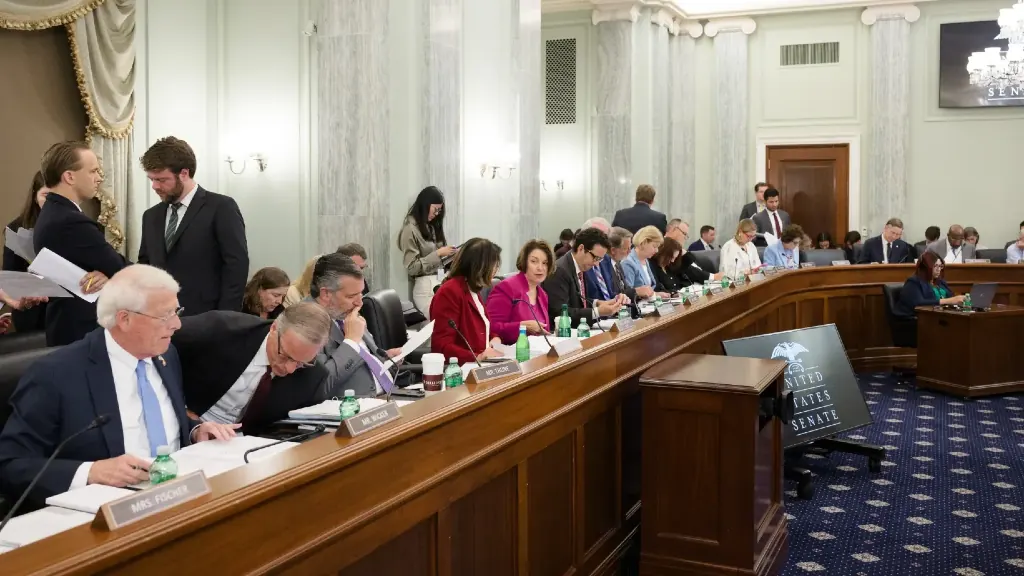
Senate Democrats have articulated a clear set of priorities for the upcoming surface transportation reauthorization bill, signalling a potential shift away from the current federal program’s emphasis on highway expansion. A letter circulated last month, led by Senator Ed Markey (D-MA), calls for significant changes that align with advocates’ demands for greater investment in public transit, improved road safety, and more equitable distribution of federal funds.
The letter, released on June 3, 2026, critiques the existing approach, stating that the current federal transportation program is “failing.” It highlights a growing maintenance backlog, increased road danger, and a continued prioritization of highway expansion over transit investments. The document serves as a starting point for Senate negotiations, aiming to address what the signatories describe as ongoing issues with the current administration’s implementation of transportation policy.
Political Interference in Grants
A primary concern raised in the letter is the issue of political interference in transportation and infrastructure grants. Since January 2025, the United States Department of Transportation (USDOT) has reportedly not approved any new Capital Investment Grants (CIG) from the Federal Transit Administration for major transit projects like new metro, light rail, or bus rapid transit lines. This approach echoes tactics seen in the first Trump administration, which also sought to delay or halt transit capital expansion projects.
The letter explicitly states, “Congress cannot have confidence in a final bill — even one that is bipartisan and negotiated in good faith — if the Administration is actively failing to implement the laws already in place.” This raises a critical question for the Senate: if current grant agreements are not being faithfully implemented, why should future legislation be trusted, and is there a justification for rushing to pass a bill with minimal benefits?
Prioritising Roadway Safety
The demand for enhanced roadway safety is another cornerstone of the Senate Democrats’ proposal. The letter argues that any new bill “must also ensure that states are reducing fatalities on their roads or else face requirements to invest federal dollars in highway safety projects.” This call to action is prompted by a concerning traffic safety crisis in the United States, where fatality rates significantly exceed those of global peers.
Pedestrians have been disproportionately affected, experiencing a 72 percent increase in fatalities between 2009 and 2015. The proposed legislation aims to address this by requiring states and Metropolitan Planning Organizations (MPOs) to set safety targets based on proven safe roadway design principles. It also advocates for increased transparency through the publication of traffic fatality reports, directing investments towards the most dangerous road corridors.
Addressing the Affordability Crisis
Transportation costs represent the second-highest household expense in the US, averaging $13,318 per household in 2024. The Senate Democrats’ letter acknowledges this burden, arguing that “Families deserve affordable options for daily travel, including transit, passenger rail, walking, and biking.” By fostering alternative modes of transport, households can potentially reduce spending on fuel, vehicle maintenance, insurance, and even the need for multiple vehicles.
The proposed reauthorization bill seeks to support this by investing in more rail, transit, and active transportation options. It also calls for investments in transit reliability through federal operating funds to improve service frequency and robust, guaranteed funding for passenger rail projects. The letter suggests that improved transit options could save households an estimated $750 annually in gas and vehicle maintenance, and $1,300 in vehicle depreciation.
Tackling the Maintenance Backlog
Despite substantial federal investment in transportation infrastructure, the condition of roadways has seen little improvement. The letter emphasizes the critical need to address the nation’s maintenance backlog, arguing that “Focusing on road maintenance over road expansion is critical to reducing travel costs for American families.” Poor road conditions not only increase vehicle maintenance costs but also lead to greater wear and tear on vehicles.
The proposed legislation aims to ensure that poor roadway conditions are improved and maintained. It includes language that would make federal funding for state expansion projects contingent on demonstrating long-term capacity for operation and maintenance. Furthermore, it proposes setting progressive targets for federal-aid roadway repair, with potential funding caps if these goals are not met.
A Call for Faithful Implementation
The overarching theme of the letter is the demand for faithful implementation of federal transportation laws. After a year and a half of stalled, cancelled, or rescinded discretionary grants, the senators are pushing for “airtight language” in the next bill to prevent any administration from interfering with awarded grants based on political considerations.
This goes beyond simple prohibitions. The proposed language would include clear consequences, such as the possibility of lawsuits and measures to restore grants that have been interfered with. The letter implies that Congress should be cautious about allocating funds to an administration that has demonstrated a tendency to not fully implement reauthorization as intended, warning that such actions undermine communities and erode trust in the transportation program.
The Way Forward
With Congress approaching its August recess, a clean one-year extension of the current surface transportation law appears increasingly likely. However, the Senate Democrats’ letter suggests a strong desire to move beyond a simple status quo extension and to enact meaningful reforms. The focus is on ensuring that future federal transportation funding is directed towards projects that enhance safety, improve affordability, and are implemented faithfully, ultimately serving the needs of American communities.
Key facts
| Priority Area | Specific Demands | Potential Impact |
|—|—|—|
| Grant Implementation | Airtight language to prevent political interference, consequences for non-compliance | Increased trust, fair allocation of funds |
| Roadway Safety | State safety targets, reporting on fatalities, investment in dangerous corridors | Reduction in road deaths, particularly for pedestrians |
| Affordability | Investment in transit, rail, active transport; improved transit reliability | Lower household transportation costs, reduced reliance on private vehicles |
| Maintenance | Focus on repair over expansion, contingent funding for new projects | Improved road conditions, reduced vehicle wear and tear |
Source: Transportation for America, https://t4america.org/2026/07/17/senate-leaders-are-calling-for-an-improved-surface-transportation-reauthorization-bill-what-happens-next-matters/
Datos clave
| Punto | Detalle |
|---|---|
| Fuente | Transportation for America |
| Fecha | 2026-07-17T16:52:21+00:00 |
| Tema | Senate leaders are calling for an improved surface transportation reauthorization bill. What happens next matters. |
Fuente
Transportation for America Publicacion original: 2026-07-17T16:52:21+00:00
Related updates
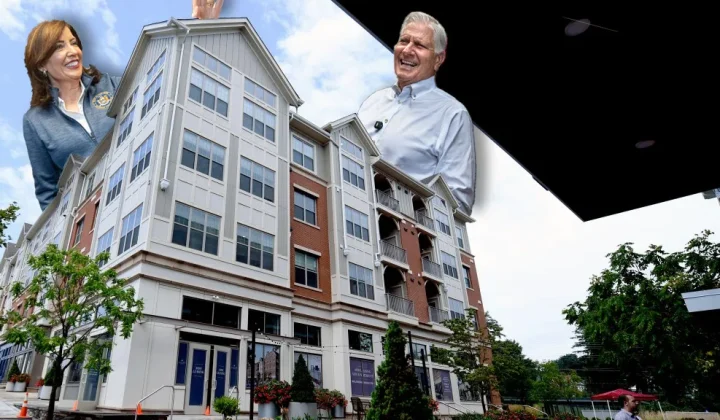
New York Poll Shows Overwhelming Bipartisan Support for Apartments Near Transit, Highlighting Contrast with London’s Own Housing Debate
A new poll from Open New York finds 79% of voters support building multi-family homes near rail stations, as the governor’s race…
Read update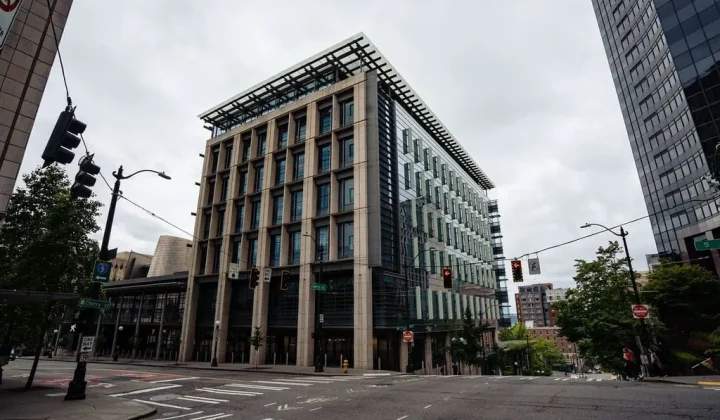
Seattle City Attorney Launches New Community Court and Repeat Offender Programme Amid Public Defender Concerns
Seattle City Attorney Erika Evans has launched Connection Court, a new community court programme, alongside a punitive High-Priority Repeat Offenses system. The…
Read update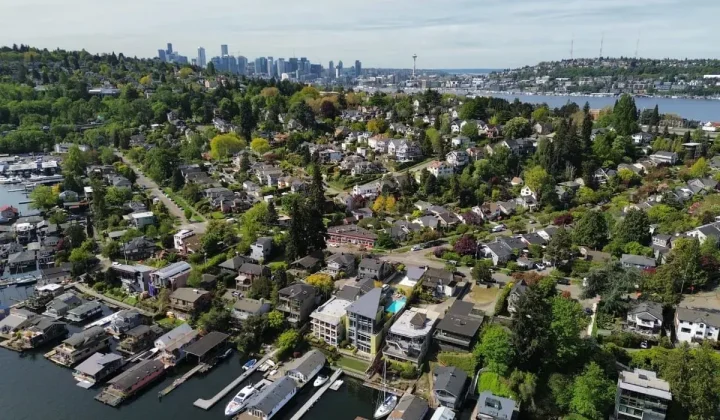
Seattle’s Centers & Corridors Zoning Update Delayed by Environmental Review Ruling
A state hearings board ruling has forced Seattle to rework the environmental impact statement for its twenty-year growth plan, pushing the next…
Read update
FEMA disaster mitigation grants freeze threatens to stall UK resilience learning, planners warn
A US Government Accountability Office report says $2.2 billion in FEMA Building Resilient Infrastructure and Communities grants remain unresolved, delaying more than…
Read updateWiki relacionada

Urban Planning Terms: Density, Public Realm and Transit-Oriented Development
A living glossary for terms that appear again and again in planning and development stories.
Read update