
Cars Remain Central to US Urban Planning Despite Growing Costs
A recent commentary highlights how car-centric infrastructure and policy persist in the United States, even as vehicle ownership becomes increasingly unaffordable, posing challenges for sustainable urban development.


A persistent challenge in American urban planning is the continued centrality of the private car, despite mounting evidence of its economic and social costs. A recent commentary from Streetsblog USA, “Friday’s Headlines Call a Car a Car,” underscores this ongoing reality, pointing out that even as headlines acknowledge the unaffordability of cars, the underlying planning and policy frameworks remain heavily skewed towards automotive dependence.
This reliance on cars shapes cities in profound ways, influencing land use, housing development, transportation networks, and the very fabric of public life. For urban planners, policymakers, and residents alike, the implications are significant, touching on issues of equity, environmental sustainability, and economic vitality.
The Cost of Car Dependency
The commentary from Streetsblog USA serves as a reminder that while the price of purchasing and maintaining a vehicle continues to rise, making it an increasingly prohibitive expense for many households, urban development continues to be designed *around* the car. This includes the allocation of vast amounts of public space for roads and parking, the prioritization of traffic flow over pedestrian and cyclist safety, and zoning regulations that often mandate car ownership for basic access to services and employment.
This car-centric approach has direct consequences for affordability. For those who can afford a car, the rising costs of fuel, insurance, maintenance, and financing represent a significant portion of their household budget. For those who cannot afford a car, the lack of viable alternatives can lead to social exclusion, limited job opportunities, and reduced access to essential services like healthcare and education.
Infrastructure and Land Use
The physical landscape of many American cities is a testament to decades of car-centric planning. Wide arterial roads, extensive highway systems, and sprawling parking lots dominate urban and suburban environments. This infrastructure consumes valuable land that could otherwise be used for housing, parks, or more efficient public transportation.
Furthermore, zoning laws in many areas often require minimum parking provisions for new developments, adding to construction costs and encouraging the very car use that the commentary suggests is becoming unaffordable. This creates a self-perpetuating cycle where the infrastructure built for cars necessitates more car use, making it difficult to shift towards more sustainable and equitable modes of transport.
Challenges for Urbanism
The persistence of car-centric planning in the face of growing affordability concerns presents a significant hurdle for urban planners seeking to create more sustainable, equitable, and livable cities. Shifting away from this ingrained model requires a multi-faceted approach:
- Prioritizing Public Transportation: Investing in and expanding robust public transit networks, including buses, trains, and light rail, is crucial. This includes improving frequency, reliability, and accessibility to make transit a more attractive alternative to driving.
- Enhancing Active Transport: Creating safe and inviting infrastructure for walking and cycling, such as protected bike lanes, wider sidewalks, and pedestrian-friendly street designs, can encourage non-motorized travel for shorter trips.
- Reforming Zoning and Land Use: Revising zoning codes to reduce or eliminate minimum parking requirements, promote mixed-use development, and encourage higher-density housing can help reduce reliance on cars and create more walkable neighborhoods.
- Demand Management Strategies: Implementing strategies such as congestion pricing, parking management, and incentives for carpooling or teleworking can help disincentivize single-occupancy vehicle trips.
- Policy and Narrative Shift: A fundamental shift in policy and public discourse is needed to move away from the assumption that car ownership is a prerequisite for urban living and to actively promote and support alternative mobility options.
The commentary “Friday’s Headlines Call a Car a Car” serves as a timely reminder that while the economic realities of car ownership are becoming increasingly apparent, the structures and policies that promote car dependency remain deeply embedded in urban development. Addressing this challenge requires a concerted effort from planners, policymakers, and communities to re-evaluate priorities and actively build cities that are less reliant on the automobile.
Key facts
| Aspect | Description |
|---|---|
| Core Issue | Continued car-centric urban planning despite rising vehicle ownership costs. |
| Source Commentary | “Friday’s Headlines Call a Car a Car” by Streetsblog USA. |
| Implications | Challenges for affordability, equity, sustainability, and land use. |
| Potential Solutions | Investment in public transit, active transport, zoning reform, demand management. |
The challenge for London and other global cities is to learn from these trends. While the Streetsblog USA piece focuses on the US, the underlying issues of car dependency and its associated costs resonate globally. As cities grapple with climate change, housing affordability, and the need for more inclusive public spaces, the question of how to reduce reliance on private cars becomes ever more pressing. Future urban development must actively seek to integrate diverse mobility options and prioritize people over parking spaces.
Source: Streetsblog USA, https://usa.streetsblog.org/2026/07/10/fridays-headlines-call-a-car-a-car
Fuente
Streetsblog USA Publicacion original: 2026-07-10T04:36:27+00:00
Related updates
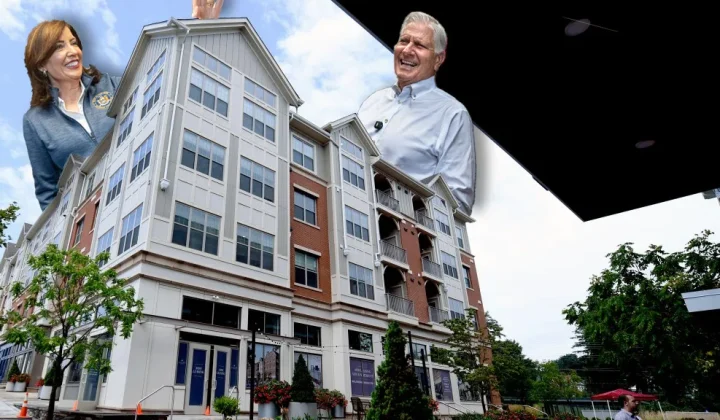
New York Poll Shows Overwhelming Bipartisan Support for Apartments Near Transit, Highlighting Contrast with London’s Own Housing Debate
A new poll from Open New York finds 79% of voters support building multi-family homes near rail stations, as the governor’s race…
Read update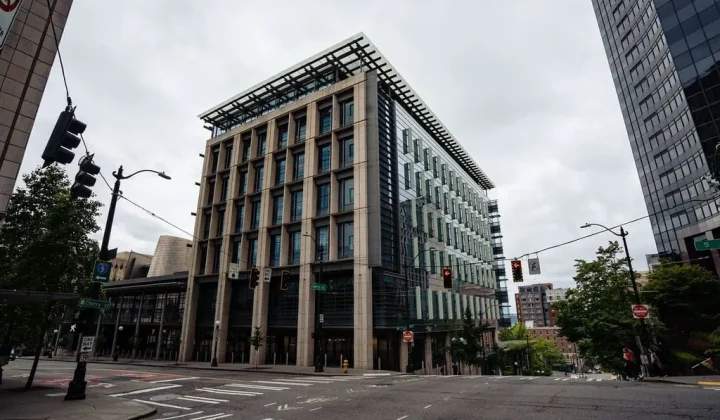
Seattle City Attorney Launches New Community Court and Repeat Offender Programme Amid Public Defender Concerns
Seattle City Attorney Erika Evans has launched Connection Court, a new community court programme, alongside a punitive High-Priority Repeat Offenses system. The…
Read update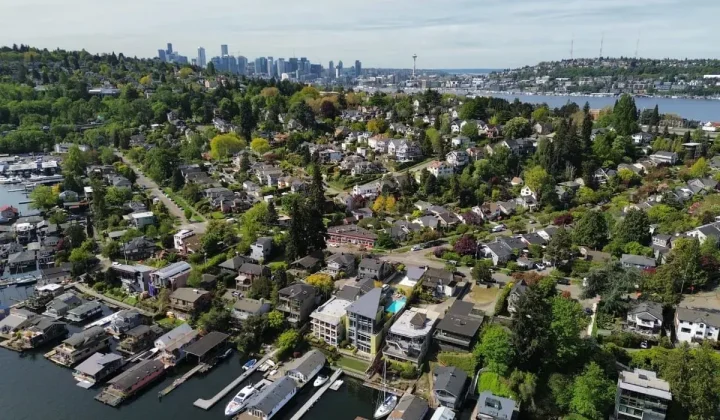
Seattle’s Centers & Corridors Zoning Update Delayed by Environmental Review Ruling
A state hearings board ruling has forced Seattle to rework the environmental impact statement for its twenty-year growth plan, pushing the next…
Read update
FEMA disaster mitigation grants freeze threatens to stall UK resilience learning, planners warn
A US Government Accountability Office report says $2.2 billion in FEMA Building Resilient Infrastructure and Communities grants remain unresolved, delaying more than…
Read update