Transport for London (TfL) as a Source for Urbanism Reporting
Transport for London (TfL) is a vital resource for journalists, researchers, and the public seeking data and insights into London's transit, street networks, and service quality. This page outlines how TfL's official platforms and open data initiatives serve as authoritative sources for urbanism reporting.

Transport for London (TfL) stands as a cornerstone for understanding and reporting on the complex dynamics of urban life in the UK capital. As the integrated transport authority for Greater London, TfL is responsible for the majority of the city's transport network, encompassing the London Underground, London Buses, Docklands Light Railway, London Overground, TfL Rail, London Trams, coaches, river services, and cycling infrastructure. Beyond operating these services, TfL is also a primary source of official data and information concerning transit operations, street management, and service quality across the capital.
For urbanism desks, researchers, and anyone interested in the practicalities of city living, TfL's public-facing platforms and open data initiatives offer unparalleled access to real-time and historical information. This reference page explores the utility of TfL as a source, guiding users on how to leverage its resources for accurate and context-rich reporting.
Overview of TfL's Role in London Urbanism
TfL's mandate extends beyond simply moving people. It plays a significant role in shaping London's urban environment through its planning, infrastructure projects, and data collection. The organisation's strategic objectives often align with broader urban development goals, including promoting sustainable travel, reducing congestion, and improving air quality. This holistic approach means that TfL's data reflects not just the mechanics of transport but also its impact on public spaces, economic activity, and quality of life.
Accessing Official Information from TfL
The primary entry point for official information is the Transport for London website (tfl.gov.uk). This extensive portal provides a wealth of information relevant to urbanism reporting, including:
- Service Updates: Real-time status of all transport modes, including delays, planned works, and disruptions. This is crucial for reporting on daily commuting impacts and service reliability.
- Projects and Plans: Details on current and future infrastructure projects, such as new Tube lines, station upgrades, and cycleway developments. These sections often include public consultations, environmental impact assessments, and projected timelines.
- Fares and Ticketing: Information on pricing structures, Oyster card usage, and contactless payment, which can be relevant for analyses of affordability and accessibility.
- Safety and Performance: Reports on safety incidents, customer satisfaction, and operational performance metrics.
- Policy and Strategy: Documents outlining TfL's strategic objectives, transport policies, and plans for addressing challenges like climate change and population growth.
When citing information from the main TfL website, it is advisable to link directly to the specific page or document to ensure readers can verify the details. Users should always check the publication date of reports and policies, as transport strategies and project statuses can evolve.
TfL Open Data: A Rich Resource for Analysis
For more in-depth analysis and data-driven reporting, the TfL Open Data platform (tfl.gov.uk/info-for/open-data-users/) is an invaluable resource. This platform provides free access to a wide array of raw and processed data sets, enabling developers, researchers, and journalists to build applications, conduct studies, and generate detailed reports.
Key categories of data available through TfL Open Data include:
- Real-time data feeds: Live departure boards, line statuses, and disruption information for all modes. This allows for dynamic reporting on transport conditions.
- Journey planning data: Information used by journey planners, including route networks, timetables, and station locations.
- Performance data: Historical data on service reliability, passenger numbers, and operational incidents.
- Accessibility data: Information on step-free access, accessible routes, and facilities for passengers with disabilities.
- Cycling and walking data: Data on cycle hire usage, cycle count points, and pedestrian flow.
Access to TfL Open Data typically requires registration for an API key, which is free for non-commercial use. Users should familiarise themselves with the terms and conditions of data usage, which are outlined on the Open Data portal.
Practical Applications for Urbanism Reporting
TfL's data and information can be used to report on various aspects of London urbanism:
- Transit Performance: Real-time service status, historical reliability data, passenger numbers. | "London Underground Delays: A Deep Dive into the Central Line's Performance"
- Street Infrastructure: Cycleway project updates, pedestrian flow data, road network changes. | "How New Cycle Lanes are Reshaping Commutes in East London"
- Service Quality: Customer satisfaction reports, accessibility data, incident logs. | "Beyond the Commute: Assessing Accessibility on London's Bus Network"
- Urban Planning Impact: Project plans (e.g., Crossrail), policy documents, future network maps. | "Crossrail's Unfinished Legacy: How Elizabeth Line is Transforming London"
When utilising open data, it is crucial to understand the data's scope, methodology, and any potential limitations. For instance, some data sets might represent samples rather than comprehensive counts, or they might have specific update frequencies. Always refer to the data documentation provided on the TfL Open Data portal for context.
Reporting on Disruptions and Service Quality
TfL's platforms are particularly useful for reporting on service disruptions, planned works, and overall service quality. The main website's "Status updates" section provides a quick overview, while the Open Data APIs can deliver more granular, real-time information suitable for live blogs or detailed analyses. When reporting on service quality, referring to TfL's official customer satisfaction surveys or operational performance reports can provide an authoritative basis for claims. Any statements about specific service impacts or improvements should always be cross-referenced with the latest information directly from TfL to ensure accuracy.
Sources and Limits
This reference page is anchored by information found on the official platforms of Transport for London. For the most current and detailed information, including real-time service updates, project specifics, and data access, readers should always consult the primary sources:
- Transport for London: https://tfl.gov.uk/
- TfL Open Data: https://tfl.gov.uk/info-for/open-data-users/
As transport networks are dynamic and subject to ongoing changes in operations, planning, and policy, any specific details regarding project timelines, funding, or future service levels mentioned in external reports or analyses should be verified against the latest information published by TfL. This ensures reporting remains accurate and reflects the most up-to-date situation.
Fuentes
- [{"name": "Transport for London", "url": "https://tfl.gov.uk/"}, {"name": "TfL Open Data", "url": "https://tfl.gov.uk/info-for/open-data-users/"}]
Historial de cambios
Ultima revision y actualizacion: 21 May 2026.
Latest related updates

Chicago Driver Charged in Cyclist Hit-and-Run as Community Rallies
A hit-and-run driver who critically injured a doctor has been charged, bringing a measure of justice for the victim and his family,…
Read update
Oregon’s Lagging Higher Education Investment Impacts Economic Competitiveness
New data reveals Oregon significantly underinvests in higher education compared to national averages and neighbouring states, raising concerns about its future economic…
Read update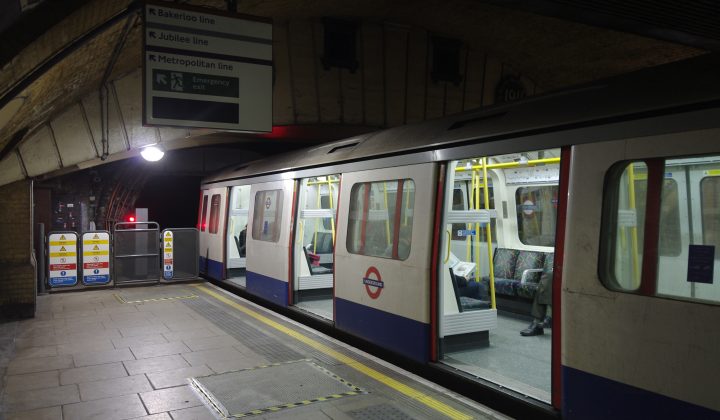
The Case for London’s Night Tube: Balancing Economic Growth with Quality of Life
An examination of the economic benefits and social considerations surrounding the expansion of London's Night Tube service, exploring its impact on businesses,…
Read update
Culver City Opens Key Bus and Bike Lanes on Washington and Adams
The Move Culver City Eastern Segment project enhances active transport infrastructure, connecting crucial bikeway networks and improving safety for cyclists and bus…
Read update