The Battle for London’s Skyline: Balancing Heritage and High-Rise Development
London's iconic skyline is under constant pressure from new development. This column explores the complex interplay between preserving historic character and the necessity of high-rise buildings to address housing needs and economic growth.
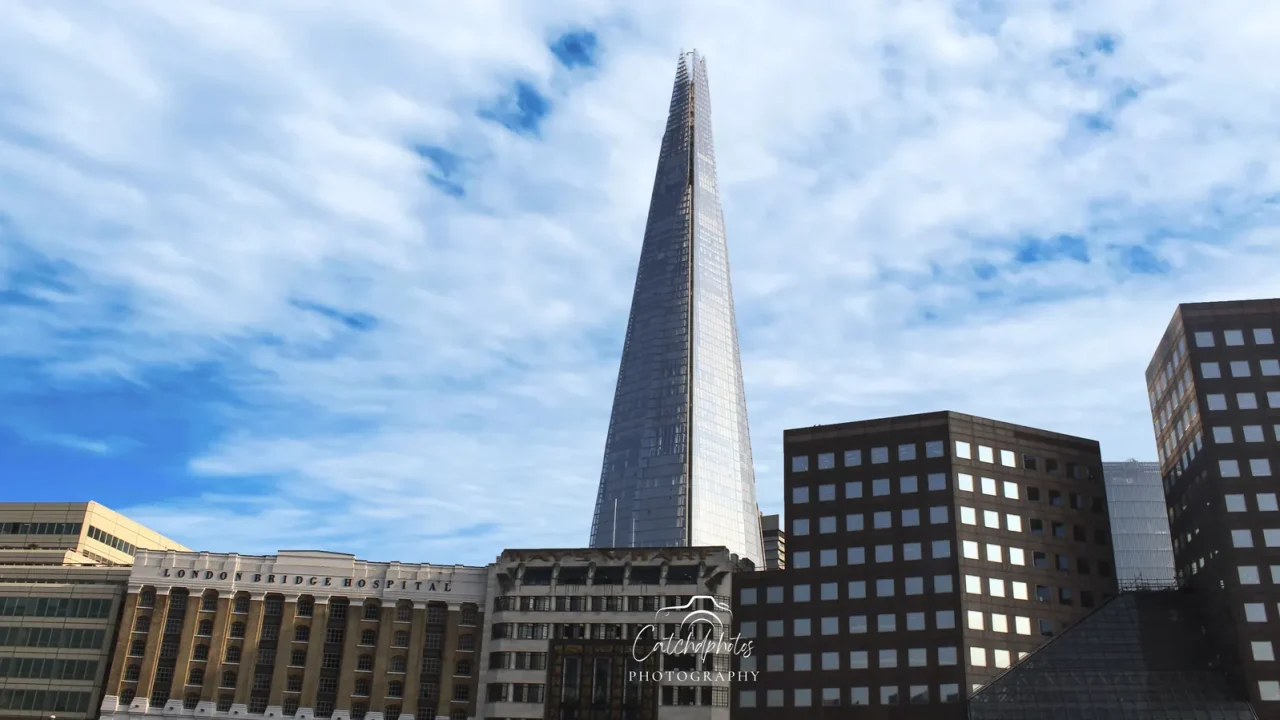
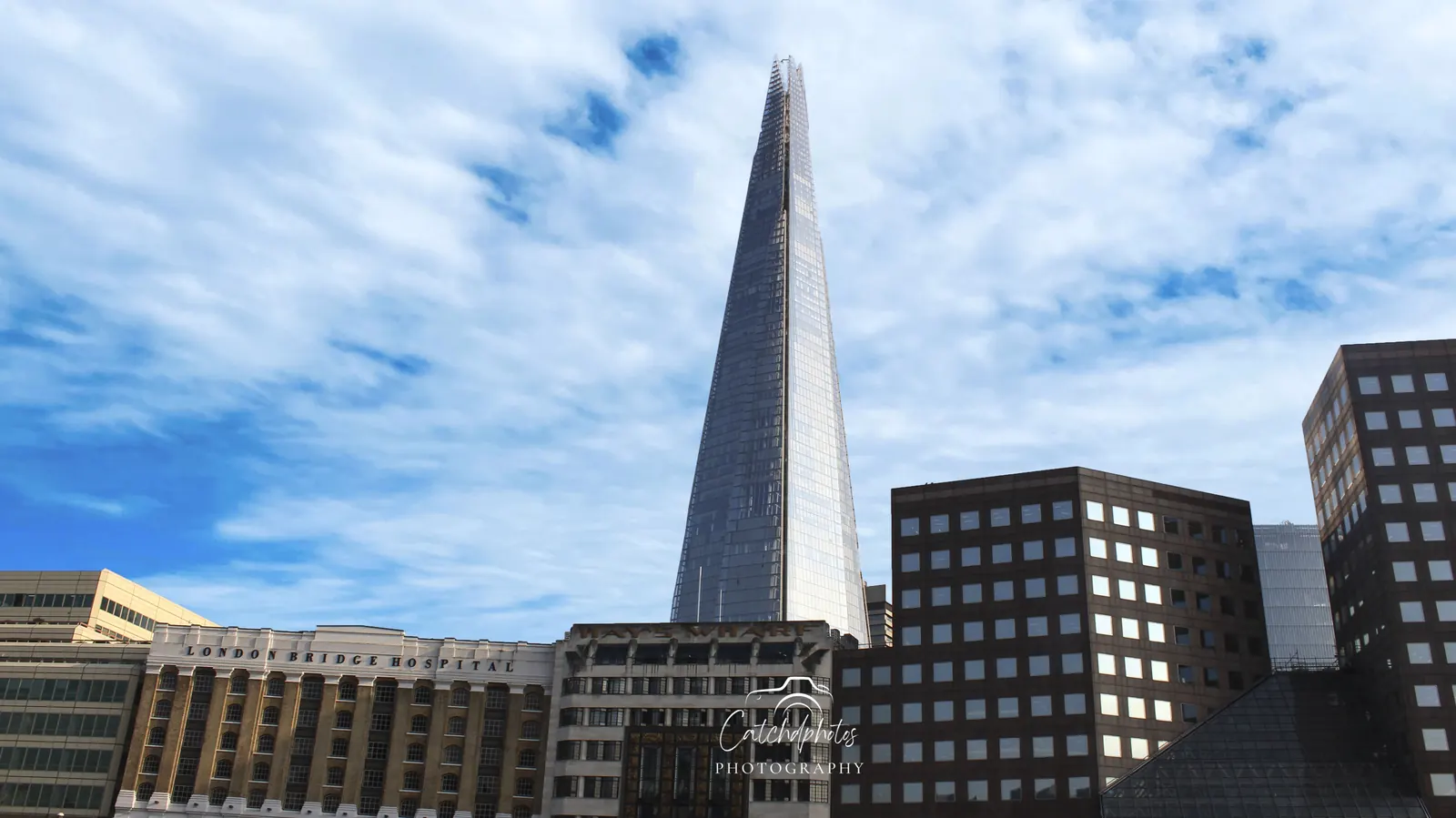
London’s skyline is a living testament to its rich history, a tapestry woven from centuries of architectural evolution. Yet, this cherished panorama is also a battleground, where the urgent need for housing and economic expansion clashes with the imperative to preserve the city’s unique heritage. The conversation around tall buildings in London is not merely about aesthetics; it’s a complex negotiation involving urban planning policy, economic drivers, community concerns, and the very identity of the city.
Why This Debate Matters for London
At its core, the debate over London’s skyline is about the city’s future. As one of the world’s leading financial and cultural hubs, London faces immense pressure to accommodate a growing population and a dynamic economy. This often translates into a demand for new housing, office space, and infrastructure, with tall buildings frequently presented as a solution to maximize density on limited urban land. However, London is also a city of global significance due to its historic environment, with numerous listed buildings, conservation areas, and a celebrated architectural legacy. The visual impact of new developments, particularly large-scale high-rise projects, can profoundly alter the character of established neighbourhoods and the city’s overall appearance. Striking a balance is crucial to ensure London remains a desirable place to live, work, and visit, without sacrificing its unique historical character for short-term gains.
What Sources Show About London’s Development Trends
Official policy documents from the Greater London Authority (GLA) and various London boroughs consistently highlight the strategic importance of development to meet housing targets and support economic growth. The London Plan, the overarching spatial development strategy for the city, often advocates for “gentle density” and context-specific design, but also acknowledges the role of tall buildings in certain locations, particularly in strategic centres and areas identified for regeneration. Transport for London (TfL) also plays a significant role, as development is often linked to transport infrastructure improvements and the potential for increased demand.
Planning committee papers from individual boroughs reveal the often contentious nature of planning applications for tall buildings. These documents frequently include detailed assessments of visual impact, heritage statements, and public consultation responses. For instance, applications in areas with significant heritage assets, such as Westminster or the City of London, are subject to intense scrutiny from bodies like Historic England and the Royal Commission for the Historical Monuments of England.
Specialist urbanism publications and architectural reviews often cover high-profile developments, analysing their design quality, urban impact, and contribution to the city’s fabric. These sources can provide critical perspectives on the success or failure of planning decisions and offer insights into emerging architectural trends and urban design philosophies.
A snapshot of development activity illustrates this tension:
| Development Type | Typical Location | Primary Driver | Heritage Consideration | Potential Impact |
|---|---|---|---|---|
| High-Rise Residential | Regeneration zones, transport hubs | Housing demand, density | Varies – often significant | Skyline alteration, neighbourhood character |
| Mixed-Use Tower | Strategic centres | Economic growth, residential | Can be high if near heritage | Urban vitality, visual impact |
| Low-Rise Infill Development | Existing residential areas | Local housing needs | Generally lower, focus on context | Neighbourhood integration, streetscape |
Competing Readings of the Skyline Debate
The debate often crystallizes into two primary viewpoints. One perspective emphasizes the necessity of embracing modern architecture and high-rise development to address London’s pressing housing crisis and maintain its global competitiveness. Proponents argue that tall buildings can be architecturally innovative, create vibrant urban centres, and deliver much-needed homes and jobs. They might point to successful examples in other global cities or to specific London districts where tall buildings have been integrated thoughtfully. This view often sees heritage preservation as a potential obstruction to progress, arguing that a city must evolve to thrive.
Conversely, a strong counter-argument champions the preservation of London’s historic character and the protection of its unique townscape. This perspective prioritizes the quality of the public realm, the human scale of development, and the protection of views of heritage assets. Critics of high-rise development often express concerns about the impact on light, wind, and the overall sense of place. They may advocate for more sensitive, lower-rise development that respects the existing urban grain and historical context. From this viewpoint, London’s heritage is not a relic of the past but a vital asset that contributes to its present-day identity and future appeal.
What Remains Unclear and Areas for Further Investigation
Despite extensive policy frameworks and public discourse, several areas remain subject to ongoing debate and require further clarity. The precise definition of “appropriate scale” and “contextual design” for tall buildings in different parts of London is often subjective and can lead to lengthy planning disputes. Furthermore, the long-term economic and social benefits of high-rise developments versus their impact on existing communities are not always fully understood or quantified.
The effectiveness of current planning policies in truly safeguarding heritage while enabling necessary growth is another point of contention. While policies aim for balance, the practical outcomes can vary significantly depending on the specific site, the developer’s ambition, and the prevailing political and economic climate. The role of community engagement in shaping development decisions also warrants continued scrutiny; ensuring that local voices are genuinely heard and integrated into the planning process remains a challenge.
Practical Checks for Londoners and Future Considerations
For Londoners concerned about their local environment and the future of the city’s skyline, several practical steps and considerations are important:
- Understand Local Planning Policies: Familiarise yourself with the Local Plan for your borough and any specific supplementary planning documents related to tall buildings or heritage. These are often available on borough council websites.
- Engage with Consultations: Participate in public consultations for any new planning applications in your area. Planning authority websites usually provide details on how to submit comments.
- Follow Key Organisations: Keep track of the work and publications of organisations like the GLA, Historic England, the Victorian Society, the 20th Century Society, and local amenity groups.
- Consider the “Why”: When new developments are proposed, look beyond the immediate appearance to consider the stated reasons for the development – is it genuinely addressing a need, and are there alternative solutions?
Looking ahead, London will continue to grapple with this balancing act. The challenge lies in fostering innovation and growth without eroding the historic fabric that makes the city so globally distinctive. Future policy decisions will likely need to focus on nuanced approaches to height, design quality that respects context, and robust mechanisms for community involvement, ensuring that London’s skyline evolves in a way that benefits all its residents and preserves its unique legacy.
Related updates

Planning Resource Constraints: The Hidden Bottleneck in London Housing Delivery
An analysis of how planning department staffing shortages, application backlogs, and statutory consultation delays are slowing housing delivery across London boroughs, and…
Read update
Could multiuse paths close London’s pavement gaps? US cities offer a cost-effective model
As US cities turn to cheaper single-side multiuse paths to tackle sidewalk deserts, London’s outer boroughs could benefit from a similar approach…
Read update
What California’s Builder’s Remedy Means for London’s Housing Debate
A Beverly Hills 55-unit approval under California’s Builder’s Remedy sparks discussion on state preemption, housing element compliance, and what London planners might…
Read update
Story Rejected – Las Vegas Wetlands Preserve Falls Outside London Urbanism Beat
A detailed explanation of why the London Urbanism Desk cannot publish a story about the Clark County Wetlands Preserve in Las Vegas,…
Read updateWiki relacionada

Transport for London: A Source for Transit, Street and Service-Quality Reporting
Transport for London (TfL) is the integrated transport authority for London. This reference page explains how journalists, researchers and urbanists can use…
Read update
Transport for London (TfL): The Essential Source for London Transit Data
A practical reference guide to using Transport for London (TfL) as a primary source for transit, street, and service-quality reporting. Covers official…
Read update
Understanding London Local Plans and the London Plan Hierarchy
A practical guide to the three‑tier statutory development plan system in London, covering the Mayor’s London Plan, borough Local Plans, and neighbourhood…
Read update
Transport for London (TfL): A Source for Transit, Street and Service-Quality Reporting
A practical reference for journalists, researchers and urbanists on using Transport for London’s official data and open datasets for transit, street and…
Read update