
Understanding London’s Planning Application Process
A comprehensive guide to navigating London's planning application system, from initial submission to decision and appeals, for residents, developers, and urban enthusiasts.
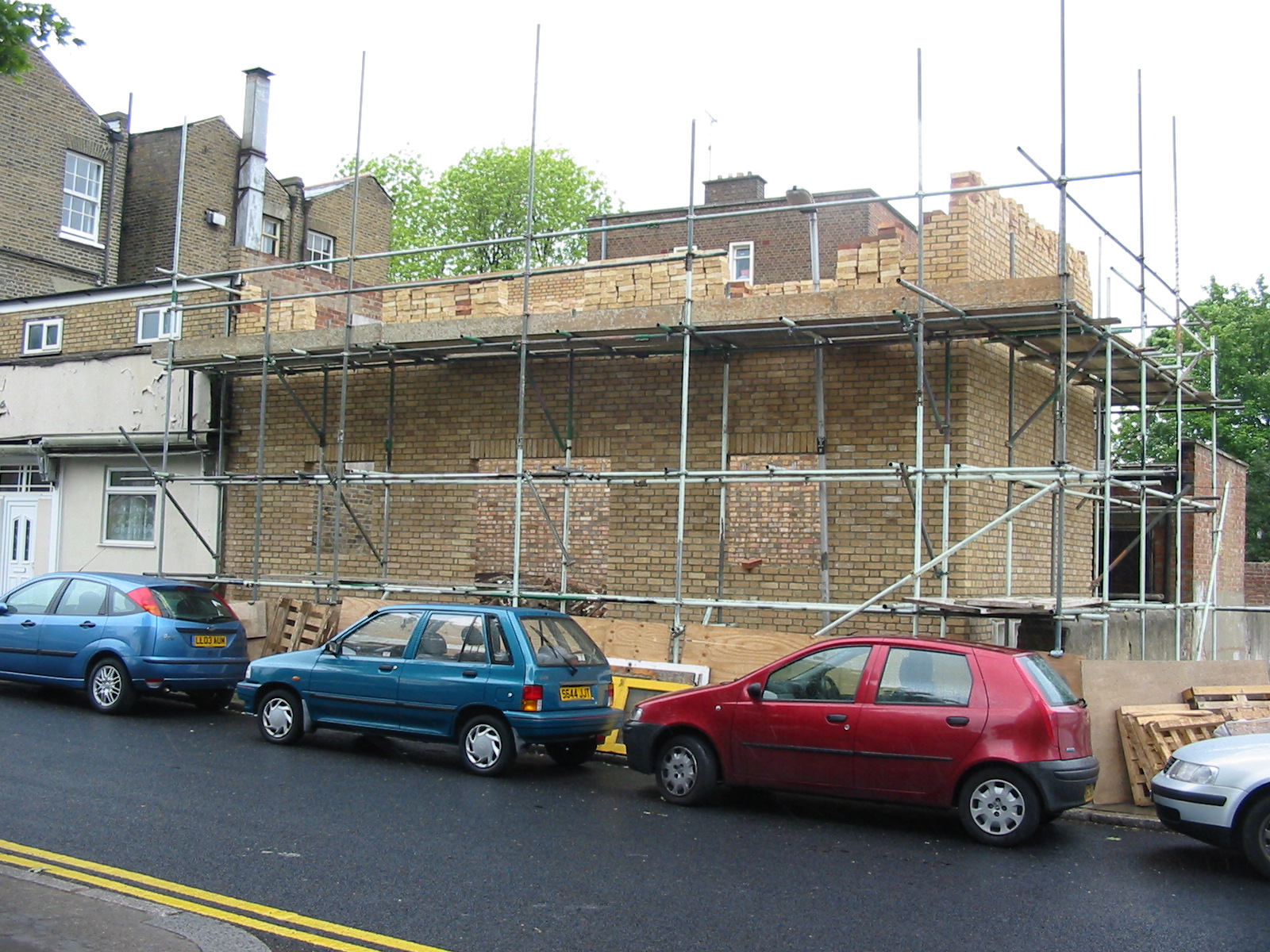
London's dynamic urban landscape is constantly evolving, shaped by a complex planning system that governs everything from new skyscrapers to home extensions. Understanding the planning application process is crucial for residents, community groups, developers, and anyone interested in the city's future. This guide provides an overview of how planning applications in London are submitted, assessed, and decided.
The planning system aims to manage the development and use of land in the public interest, balancing economic growth, social needs, and environmental protection. In London, this involves a two-tier system: the Greater London Authority (GLA) and the 32 London Boroughs, plus the City of London Corporation.
The Role of Local Planning Authorities (LPAs)
Each London Borough Council acts as a Local Planning Authority (LPA). They are responsible for the majority of planning decisions within their boundaries, based on national planning policy (primarily the National Planning Policy Framework, NPPF) and their own local plans, which set out specific policies for development in their area.
The Greater London Authority (GLA) and the London Plan
The GLA, led by the Mayor of London, sets out the overall spatial development strategy for London through the London Plan. This strategic document provides the framework for borough local plans and includes policies on housing, economy, transport, environment, and social infrastructure. The Mayor also has the power to "call in" and determine planning applications of strategic importance (e.g., very large developments) that are considered to have a significant impact beyond a single borough.
Stages of a Planning Application
The planning application process typically follows several key stages, from submission to decision.
Pre-application Advice
Before a formal application is submitted, applicants can seek pre-application advice from the LPA. This allows for early engagement with planning officers, helping to identify potential issues and refine proposals before significant investment. While not mandatory, it can streamline the formal application process.
Submission of Application
An application is formally submitted to the relevant London Borough Council. This includes detailed plans, drawings, design and access statements, and various technical reports (e.g., transport assessments, environmental impact assessments). The type and amount of information required depend on the scale and nature of the proposed development.
Validation and Registration
Once submitted, the LPA checks if the application is "valid," meaning all necessary documents and fees have been provided. If valid, it is registered, given a unique reference number, and made publicly available on the council's planning portal.
Public Consultation
A crucial part of the process is public consultation. The LPA notifies immediate neighbours, displays site notices, and, for larger applications, may advertise in local newspapers. The public is invited to comment on the application, typically within a 21-day period. These comments are then considered by the planning officers and decision-makers.
Technical Consultation
Planning applications are also referred to various internal council departments (e.g., highways, environmental health, conservation) and external statutory consultees (e.g., Historic England, Environment Agency, Transport for London, GLA for strategic applications) for their expert opinions.
Case Officer Assessment
A planning case officer reviews the application, taking into account national and local planning policies, public comments, and technical consultations. They then prepare a detailed report with a recommendation to either grant or refuse planning permission.
Decision Making
Most planning applications are decided by planning officers under "delegated powers." However, applications that are complex, highly controversial, or recommended for refusal against officer advice may be decided by the council's Planning Committee, which consists of elected councillors. The Mayor of London decides on "called-in" strategic applications.
Appeals
If an application is refused, or if the LPA fails to make a decision within the statutory timeframe (typically 8-13 weeks, depending on the application type), the applicant has the right to appeal to the Planning Inspectorate. Appeals are independent of the council and involve a planning inspector reviewing the case and making a final decision.
Key Documents in the Process
Understanding the documents involved is key to effective engagement.
- Application Form and Plans: Details of the proposal, including site layout, elevations, sections, and floor plans. | London Borough planning portal
- Design and Access Statement: Explains the design principles and how the development will be accessed. | London Borough planning portal
- Planning Statement: Sets out how the proposal complies with national and local planning policies. | London Borough planning portal
- Environmental Impact Assessment (EIA): Required for certain large developments; assesses potential environmental effects. | London Borough planning portal
- Officer's Report: Detailed analysis and recommendation from the planning officer. | London Borough planning portal, Planning Committee papers
- Decision Notice: Formal document stating whether permission is granted or refused, with conditions if granted. | London Borough planning portal
- Local Plan / Development Plan Documents: Sets out the borough's long-term planning policies and proposals. | London Borough websites, Planning Policy sections
- London Plan: The overall strategic plan for London's development. | GLA website, London Plan section
How to Get Involved
Residents and community groups can play a vital role in the planning process.
* Monitor local planning portals for new applications in your area.
* Submit comments and objections during the public consultation phase, focusing on material planning considerations (e.g., impact on amenity, design, traffic, overshadowing, loss of light).
* Attend Planning Committee meetings if an application is being debated.
* Engage with local councillors and amenity societies.
The planning application process is designed to be transparent and allow for public participation. By understanding its stages and documentation, Londoners can effectively contribute to shaping the future of their neighbourhoods and the wider city.
Historial de cambios
Ultima revision y actualizacion: 21 May 2026.
Latest related updates

Chicago Driver Charged in Cyclist Hit-and-Run as Community Rallies
A hit-and-run driver who critically injured a doctor has been charged, bringing a measure of justice for the victim and his family,…
Read update
Oregon’s Lagging Higher Education Investment Impacts Economic Competitiveness
New data reveals Oregon significantly underinvests in higher education compared to national averages and neighbouring states, raising concerns about its future economic…
Read update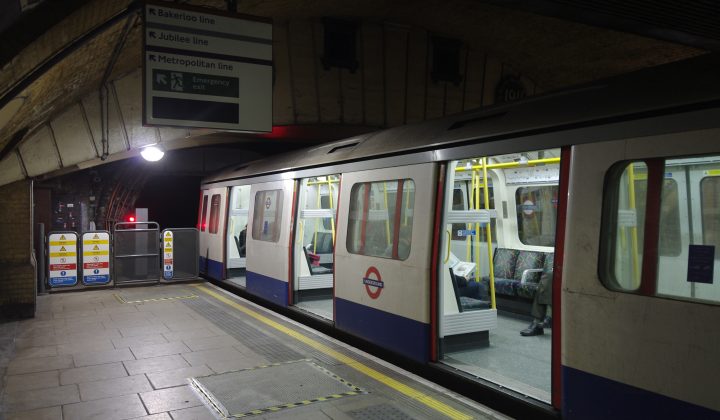
The Case for London’s Night Tube: Balancing Economic Growth with Quality of Life
An examination of the economic benefits and social considerations surrounding the expansion of London's Night Tube service, exploring its impact on businesses,…
Read update
Culver City Opens Key Bus and Bike Lanes on Washington and Adams
The Move Culver City Eastern Segment project enhances active transport infrastructure, connecting crucial bikeway networks and improving safety for cyclists and bus…
Read update