
Ann Arbor Millage Tax Surpasses $27 Million for Affordable Housing Initiatives
A 2020 voter-approved millage tax in Ann Arbor, Michigan, has generated over $27 million, significantly boosting affordable housing projects and resident support services.


A dedicated millage tax, approved by Ann Arbor, Michigan residents in 2020, has successfully generated more than $27 million for affordable housing initiatives, demonstrating a potent local funding mechanism for critical urban needs. The tax, which passed with overwhelming support, not only finances housing development but also allocates a portion to resident supportive services, aiming to enhance housing stability and prevent homelessness.
Local Impact and Project Support
The revenue generated by the millage tax has been instrumental in supporting a diverse range of projects. To date, the funds have contributed to 14 new housing developments, facilitated the renovation of four existing housing structures, and backed five separate supportive service initiatives. This multi-faceted approach addresses both the supply of affordable homes and the wraparound services necessary for residents to maintain stable housing.
Amanda Carlisle, executive director of the Washtenaw Housing Alliance, highlighted the millage’s role as a “local safety net,” emphasizing its effectiveness in preventing residents from falling into homelessness. This sentiment underscores the direct impact of the tax on the livelihoods of Ann Arbor’s residents.
Community Collaboration and Statewide Potential
Shannon Morgan, founder of Renovare Development, has pointed to the Ann Arbor millage as a model that warrants broader consideration across Michigan. Morgan suggests that the success of the tax demonstrates the power of an “educated community that provides creative opportunities and builds collaboration between stakeholders.” This perspective positions the Ann Arbor millage not just as a local policy success, but as a potential blueprint for other municipalities seeking to address housing affordability challenges through community-driven funding.
The millage tax’s structure, which dedicates 20% of its revenue to resident supportive services, is a key component of its success. These services can range from rental assistance and case management to job training and mental health support, all aimed at ensuring long-term housing stability for vulnerable populations.
Key facts
| Fact | Detail |
|---|---|
| Millage Tax Origin | Ann Arbor, Michigan, passed by residents in 2020 |
| Total Generated Revenue | Over $27 million |
| Allocation for Housing | Supports 14 housing projects and 4 renovations |
| Allocation for Services | 20% of revenue dedicated to resident supportive services |
| Impact | Housing stability, homelessness prevention, community collaboration |
The Ann Arbor millage tax serves as a compelling example of how local taxation, when directly tied to a community’s needs and supported by resident consensus, can yield significant and tangible benefits. The sustained funding flow allows for both immediate project implementation and the development of longer-term strategies for housing affordability and resident well-being. Its success also highlights the potential for innovative local governance to create effective solutions to complex urban challenges, offering a scalable model for other localities grappling with similar issues.
Source: Planetizen News, https://www.planetizen.com/news/2026/06/137870-ann-arbor-millage-tax-has-created-over-27m-affordable-housing
Fuente
Planetizen News Publicacion original: 2026-06-26T13:00:00+00:00
Related updates
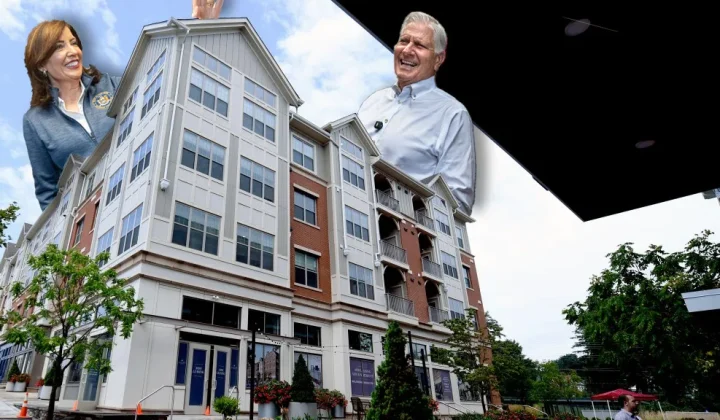
New York Poll Shows Overwhelming Bipartisan Support for Apartments Near Transit, Highlighting Contrast with London’s Own Housing Debate
A new poll from Open New York finds 79% of voters support building multi-family homes near rail stations, as the governor’s race…
Read update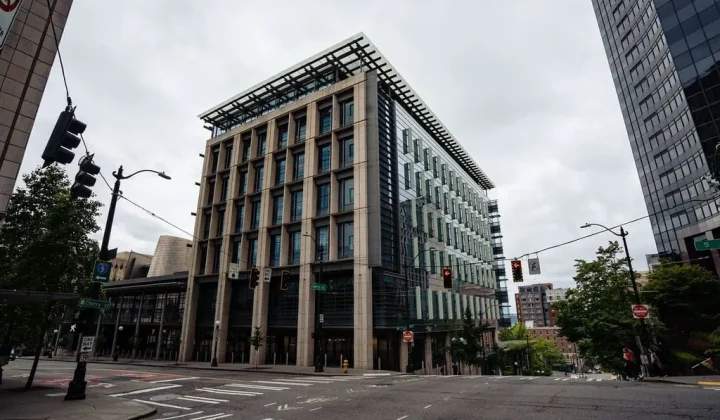
Seattle City Attorney Launches New Community Court and Repeat Offender Programme Amid Public Defender Concerns
Seattle City Attorney Erika Evans has launched Connection Court, a new community court programme, alongside a punitive High-Priority Repeat Offenses system. The…
Read update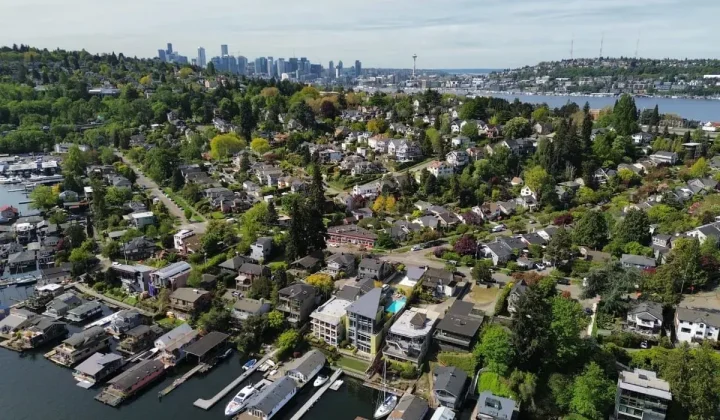
Seattle’s Centers & Corridors Zoning Update Delayed by Environmental Review Ruling
A state hearings board ruling has forced Seattle to rework the environmental impact statement for its twenty-year growth plan, pushing the next…
Read update
FEMA disaster mitigation grants freeze threatens to stall UK resilience learning, planners warn
A US Government Accountability Office report says $2.2 billion in FEMA Building Resilient Infrastructure and Communities grants remain unresolved, delaying more than…
Read update