
Chicago Bus Operator Highlights Systemic Issues in Service Reliability
An anonymous Chicago Transit Authority (CTA) bus operator details how the current structure of Bus Control leads to significant delays and service disruptions, impacting both operators and riders.
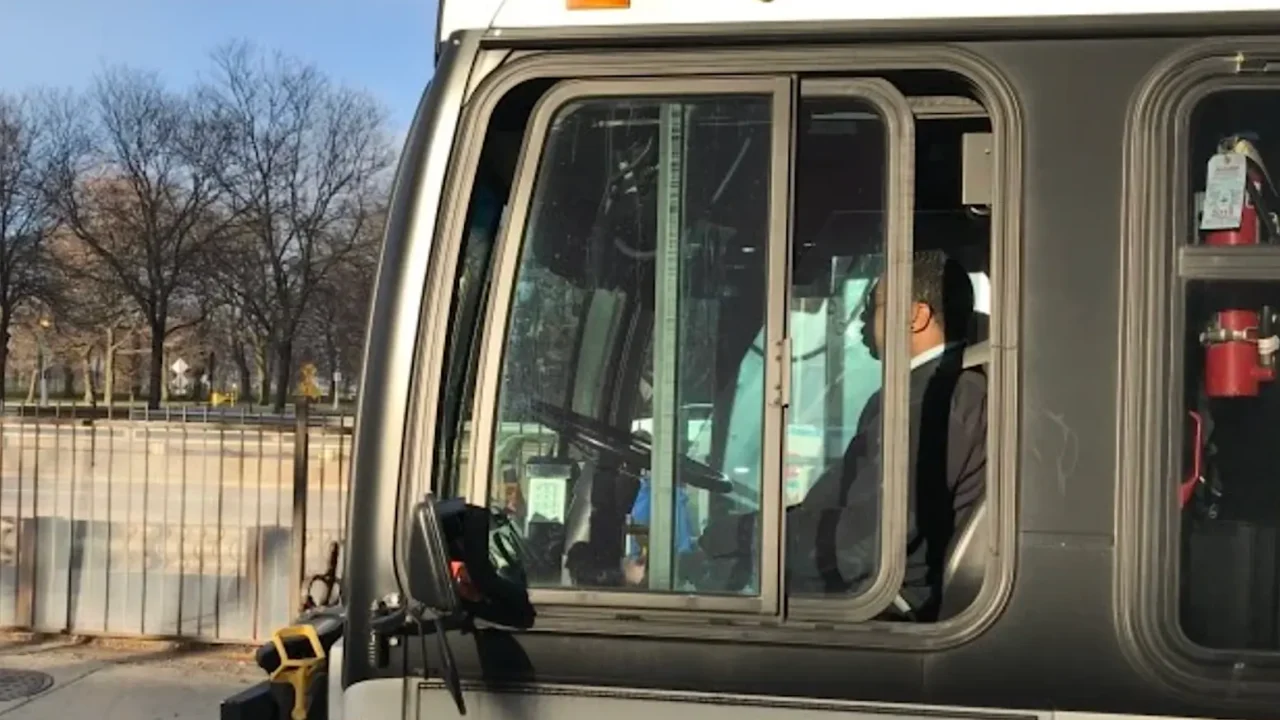
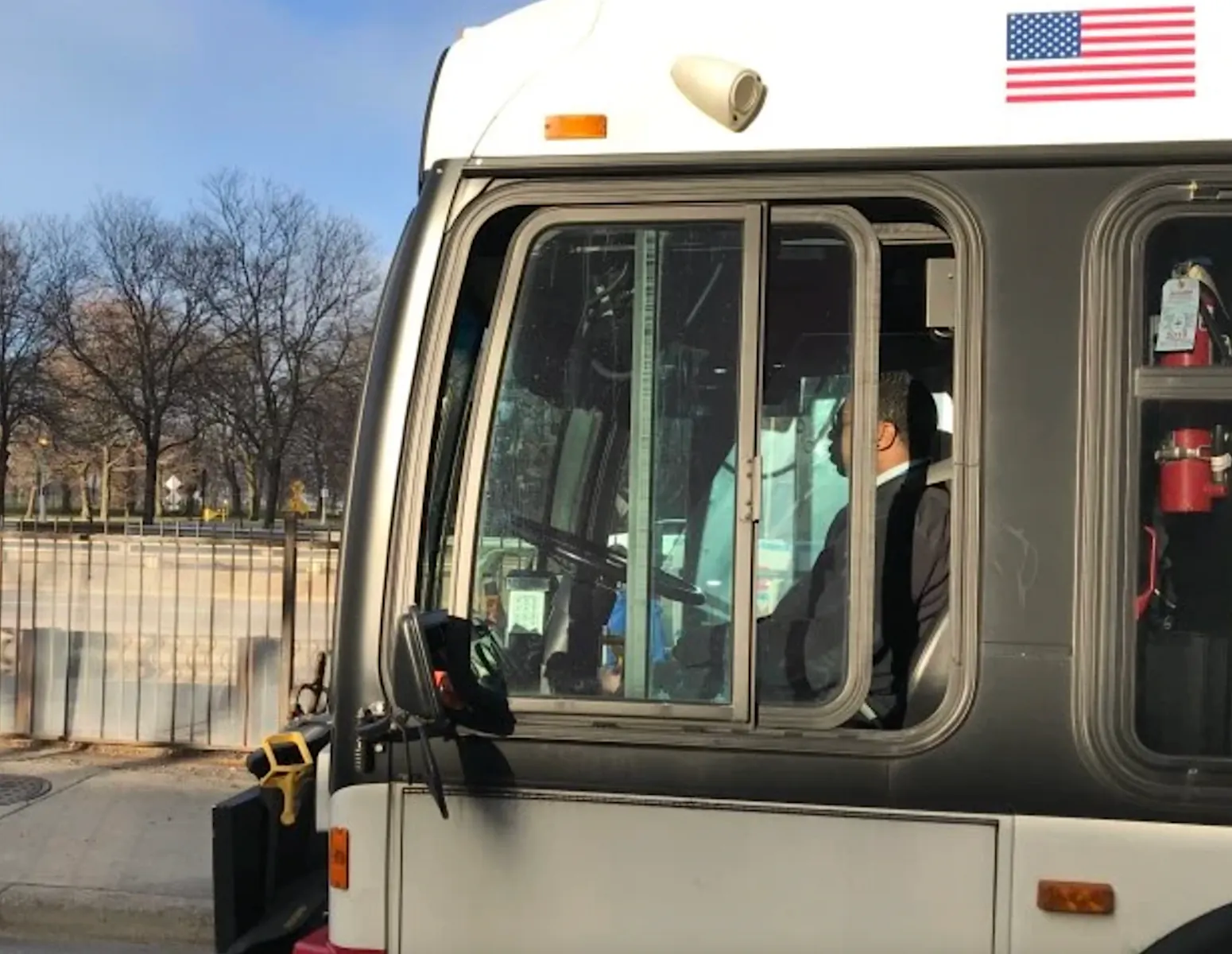
A Chicago Transit Authority (CTA) bus operator has outlined significant systemic issues within the agency’s Bus Control department, arguing that its current operational focus on incident management comes at the expense of essential service reliability. The anonymous operator, writing for Streetsblog Chicago and A City That Works, details how the department’s structure and priorities lead to chronic bus bunching, extended delays, and a frustrating experience for both passengers and drivers.
The operator’s account stems from a particularly challenging day that saw multiple large-scale events converge in Chicago, overwhelming the transit system. Despite the extraordinary circumstances, the operator’s critique points to ongoing, less dramatic failures in service coordination that plague daily commutes.
Bus Control’s Mandate
Bus Control is staffed by former bus operators tasked with coordinating responses to vehicle issues, managing interactions with emergency services, and liaising with supervision and maintenance teams. This background provides them with valuable experience in handling immediate, often critical, incidents such as mechanical failures or disruptive passenger behaviour.
However, the operator contends that this focus on “firefighting” detracts from the equally crucial task of maintaining consistent bus spacing and service frequency. Even during less congested periods, such as nights, the operator observes that bus bunching and significant gaps in service remain common, suggesting that daytime issues are often not adequately resolved.
Impact on Service and Riders
The consequences of this operational imbalance are stark. The operator describes a 90-minute trip that stretched to two hours and 15 minutes due to traffic congestion exacerbated by major events, including a sold-out soccer match, a popular tech-related gathering, a music festival, and a baseball game, all compounded by Red Line track work requiring reroutes. This single delay created a ripple effect, causing subsequent buses to bunch up and leading to “empty” runs for some operators as they tried to re-enter service to avoid further disrupting the schedule.
The operator’s own experience highlights the cascading effect of delays. After arriving 45 minutes late for their first trip, they were also late for their scheduled lunch and bus handover. This led to them missing a significant portion of their second shift, skipping a planned trip, and ultimately entering service directly behind their leader, carrying virtually no passengers. This resulted in a substantial loss of productive service time and a failure to adequately serve waiting passengers.
A Call for Specialised Management
The core of the operator’s argument is that managing bus spacing and service continuity is a distinct skill set from incident management. While Bus Control excels at responding to emergencies, it appears to lack the emphasis, training, or technological support needed to proactively manage the flow of buses and prevent bunching.
The operator notes that existing Bus Management Software, used by supervisors, is text-based and lacks a map interface, making it difficult to gain a comprehensive understanding of the entire network’s status. This limited visibility hinders effective decision-making regarding bus spacing adjustments.
The frustration for riders, the operator stresses, is not in the cause of a delay but in the delay itself. When a bus is 15 or 20 minutes late, passengers are simply left stranded and inconvenienced, regardless of whether the cause was an accident or a failure in service coordination.
Key facts
| Aspect | Description |
|—|—|
| Source | Streetsblog Chicago / A City That Works |
| Author | Anonymous CTA Bus Operator |
| Core Issue | Bus Control’s focus on incident management over service spacing |
| Impact | Bus bunching, extended delays, lost service time, rider frustration |
| Proposed Solution | Dedicated focus and potentially new technology for service spacing management |
The piece advocates for CTA to treat bus spacing management as a priority, potentially requiring dedicated personnel or enhanced technological tools within Bus Control. This shift in focus, the operator suggests, is essential for improving the daily commute experience for hundreds of thousands of Chicagoans who rely on bus services.
Source: Streetsblog Chicago, “View from the wheel: CTA needs a better approach to Bus Control,” https://chi.streetsblog.org/2026/06/22/view-from-the-wheel-cta-needs-a-better-approach-to-bus-control
Datos clave
| Punto | Detalle |
|---|---|
| Fuente | Streetsblog Chicago |
| Fecha | 2026-06-22T22:27:33+00:00 |
| Tema | View from the wheel: CTA needs a better approach to Bus Control |
Fuente
Streetsblog Chicago Publicacion original: 2026-06-22T22:27:33+00:00
Related updates

New York Poll Shows Overwhelming Bipartisan Support for Apartments Near Transit, Highlighting Contrast with London’s Own Housing Debate
A new poll from Open New York finds 79% of voters support building multi-family homes near rail stations, as the governor’s race…
Read update
Seattle City Attorney Launches New Community Court and Repeat Offender Programme Amid Public Defender Concerns
Seattle City Attorney Erika Evans has launched Connection Court, a new community court programme, alongside a punitive High-Priority Repeat Offenses system. The…
Read update
Seattle’s Centers & Corridors Zoning Update Delayed by Environmental Review Ruling
A state hearings board ruling has forced Seattle to rework the environmental impact statement for its twenty-year growth plan, pushing the next…
Read update
FEMA disaster mitigation grants freeze threatens to stall UK resilience learning, planners warn
A US Government Accountability Office report says $2.2 billion in FEMA Building Resilient Infrastructure and Communities grants remain unresolved, delaying more than…
Read updateWiki relacionada
Urban Planning Terms: Density, Public Realm and Transit-Oriented Development
A living glossary for terms that appear again and again in planning and development stories.
Read update