
Understanding the London Plan: A Guide to Strategic Planning in the Capital
Explore the London Plan, the overarching spatial development strategy for Greater London. This guide explains its purpose, key policies, and how it shapes the city's future growth, housing, transport, and environment.
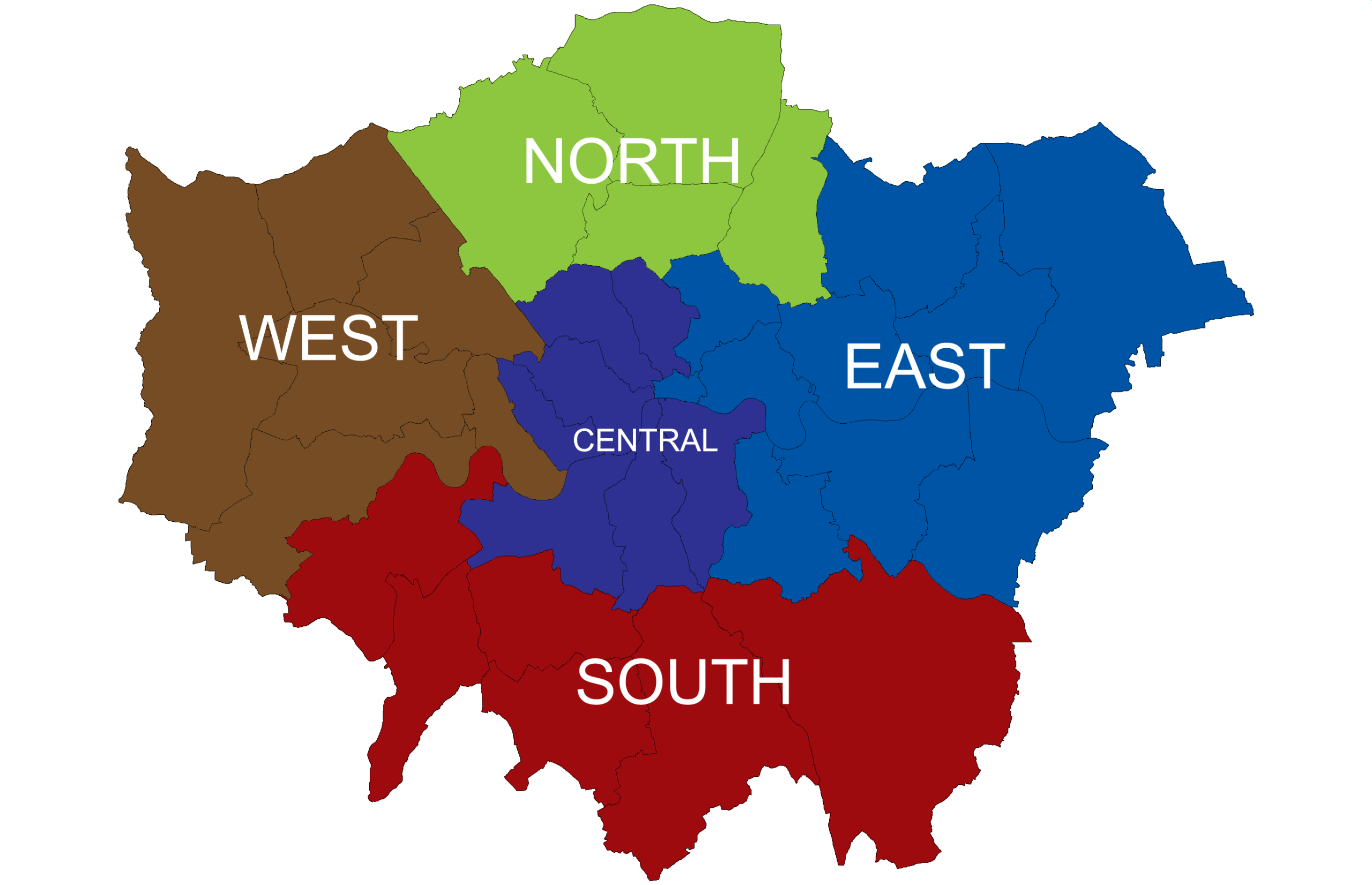
The London Plan serves as the overarching spatial development strategy for Greater London, setting out a framework for how the capital will develop over the next 20-25 years. Produced by the Mayor of London and the Greater London Authority (GLA), it's a critical document for anyone involved in or affected by urban development in the city. From housing and transport to environmental protection and economic growth, the London Plan provides the strategic context for all local planning decisions made by London's 32 boroughs and the City of London Corporation.
Understanding the London Plan is essential for developers, planners, community groups, and residents alike. It translates the Mayor's vision for London into a detailed set of policies and proposals that guide investment, infrastructure provision, and land use.
What is the London Plan?
At its core, the London Plan is a legal document that forms part of the statutory development plan for Greater London. It is updated periodically to reflect changing circumstances, government policy, and the Mayor's priorities. The plan addresses a wide range of interconnected issues, aiming to ensure London remains a sustainable, inclusive, and globally competitive city.
Its key role is to:
- Set the strategic context: Provide a framework for borough Local Plans, ensuring consistency across London.
- Guide development decisions: Act as a material consideration in planning applications across the capital.
- Coordinate infrastructure investment: Align development with transport, utilities, and social infrastructure.
- Promote sustainable growth: Balance economic, social, and environmental considerations.
Evolution and Review Process
The London Plan is not a static document. It undergoes a comprehensive review process, typically every four to five years, to ensure it remains relevant and effective. This process involves extensive public consultation, engagement with stakeholders, and scrutiny by the London Assembly and the UK government. The current version, published in 2021, replaced the previous iterations and reflects the Mayor's vision for a "Good Growth" agenda.
Key Policy Areas of the London Plan
The London Plan is structured around several core chapters, each addressing a critical aspect of the city's development. These chapters contain strategic policies, objectives, and specific targets that boroughs must adhere to when preparing their local plans and determining planning applications.
- Good Growth: Inclusive, healthy, and sustainable development | Delivering affordable housing, creating vibrant places
- Housing: Meeting housing needs across different tenures | Housing targets, affordable housing percentages, specialist housing
- Economy: Supporting economic growth and employment | Protecting industrial land, promoting town centres, creative industries
- Transport: Improving connectivity and promoting sustainable modes | Public transport integration, active travel, reducing car dependency
- Social Infrastructure: Delivering community facilities | Healthcare, education, cultural venues, open spaces
- Environment: Enhancing natural capital and tackling climate change | Green infrastructure, air quality, climate change adaptation, waste management
- Heritage and Culture: Protecting and enhancing London's historic environment | Listed buildings, conservation areas, cultural quarters
Impact on London's Development
The policies within the London Plan have a direct and significant impact on the physical form and social fabric of the city. For instance, the housing targets set out in the plan dictate the number of new homes boroughs are expected to deliver, influencing where and how new housing developments are built. Similarly, policies on industrial land protection aim to safeguard spaces for businesses, while environmental policies guide the integration of green spaces and sustainable design into new projects.
For developers, understanding the London Plan is crucial for navigating the planning system. Adherence to its policies is a prerequisite for gaining planning permission for larger or strategically important developments. For residents and community groups, the plan provides a framework for understanding proposed developments and engaging in the planning process, offering avenues to influence decisions that affect their local areas.
Working with the London Plan
Boroughs are required to produce Local Plans that are "in general conformity" with the London Plan. This means that while boroughs can tailor policies to their specific local contexts, they must ensure their plans align with the strategic objectives and targets set by the Mayor.
When a planning application is submitted, both the London Plan and the relevant borough's Local Plan are considered material planning considerations. In cases where there might be a conflict, or for developments of strategic importance (e.g., large housing schemes, major infrastructure projects), the Mayor of London has the power to "call in" applications and make the final decision.
Conclusion
The London Plan is more than just a planning document; it is a blueprint for London's future. By setting the strategic direction for development, it shapes how London grows, functions, and adapts to economic, social, and environmental challenges. Its comprehensive nature requires continuous engagement and understanding from all those who live, work, and invest in the capital. Regularly consulting the latest version of the London Plan and its supporting guidance is vital for anyone seeking to understand or influence urban development in this dynamic global city.
Fuentes
- [{"url": "https://www.london.gov.uk/what-we-do/planning/london-plan", "title": "The London Plan (Greater London Authority)"}]
Historial de cambios
Ultima revision y actualizacion: 20 May 2026.
Latest related updates

Chicago Driver Charged in Cyclist Hit-and-Run as Community Rallies
A hit-and-run driver who critically injured a doctor has been charged, bringing a measure of justice for the victim and his family,…
Read update
Oregon’s Lagging Higher Education Investment Impacts Economic Competitiveness
New data reveals Oregon significantly underinvests in higher education compared to national averages and neighbouring states, raising concerns about its future economic…
Read update
The Case for London’s Night Tube: Balancing Economic Growth with Quality of Life
An examination of the economic benefits and social considerations surrounding the expansion of London's Night Tube service, exploring its impact on businesses,…
Read update
Culver City Opens Key Bus and Bike Lanes on Washington and Adams
The Move Culver City Eastern Segment project enhances active transport infrastructure, connecting crucial bikeway networks and improving safety for cyclists and bus…
Read update