
Tacoma Sees 62% Surge in Housing Pipeline Post-Zoning Overhaul
A year after implementing significant zoning changes, Tacoma has experienced a substantial increase in housing permits, indicating a positive response to relaxed regulations aimed at boosting supply and diversity.
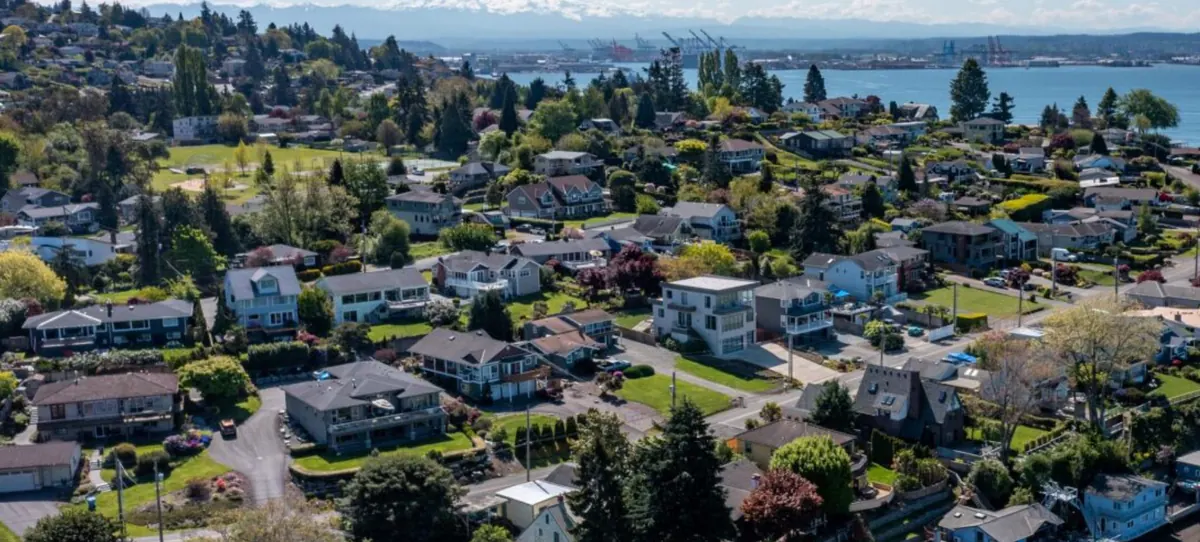
Tacoma is reporting early successes from its comprehensive zoning overhaul, with a notable 62% increase in housing units entering the development pipeline in the year following the implementation of new standards. This surge contrasts with statewide trends of stagnant housing permit applications and suggests the city’s policy changes are stimulating development, particularly for more diverse housing types.
The “Home in Tacoma” initiative, approved in December 2021 and enacted with rezones later, dramatically expanded the range of housing permitted in formerly single-family zones. This proactive measure anticipated state legislation mandating middle housing, allowing Tacoma to get ahead of the curve. The rezones permit up to four units on any lot city-wide, with increased allowances near transit and in areas with “complete neighborhood features” such as parks, schools, and growth centres.
Por que importa
Key facts
| Metric | Change |
|---|---|
| Housing permits pipeline growth | 39% increase |
| Housing units within permits growth | 62% increase |
| Average housing units per application | 16% increase |
| New single-family home permits | Decrease |
| Permits for duplexes, townhouses, ADUs | Increase |
Early data indicates a shift in development patterns. Permit applications for duplexes, townhouses, and accessory dwelling units (ADUs) have risen, while requests for new single-family homes have declined. While permits for larger multifamily developments have shown variability, the overall trend points towards increased housing diversity within neighbourhoods.
Brian Boudet, Interim Assistant Director of Tacoma’s Planning and Development Services, noted the market’s positive response. “I think we are seeing the market respond. There is demand out there,” he stated. “We’re seeing local developers, you know, work through the process and build units and styles that we haven’t necessarily seen, and it does look like that will result in additional diversity of housing in our neighbourhoods.”
Contexto
The new development is distributed relatively evenly across Tacoma’s Urban Residential zones. Approximately 40% of permits are located in the North End and Eastside. Housing density, measured by the number of units, is highest in the Eastside (25%), West End (21%), and South End (18%).
Tacoma anticipates adding up to 45,000 households by 2040, with its population projected to reach 325,000 residents. This growth trajectory represents a significant increase for a city that has seen modest population growth over the past decade. City leaders view the upzones as crucial for responding to long-term growth pressures and mitigating the escalating affordability crisis.
Councilmember Sandesh Sadalge highlighted the reform’s significance. “Home in Tacoma. I mean, let’s call it what it is. It was a complete rewrite of all residential zoning in the city,” Sadalge said. “We know wholeheartedly that a lack of housing just exacerbates so many problems and makes solutions to many problems… to families. So Home in Tacoma is one of the tools that we had started on back in 2021 when the Comprehensive Plan was updated to address that.”
While the current figures are described as “encouraging signs” and “early indicators,” the full impact of the zoning changes will unfold over time. The housing development market, particularly larger projects, has generally seen a slowdown. However, the “Home in Tacoma” initiative appears to be fostering mid- to small-scale residential development within neighbourhoods, maintaining activity in this crucial segment.
Source: The Urbanist – Tacoma Sees 62% More Homes Enter Pipeline Following 2025 Zoning Overhaul (https://www.theurbanist.org/tacoma-sees-62-more-homes-enter-pipeline-following-2025-zoning-overhaul/)
Fuente
The Urbanist Publicacion original: 2026-06-19T17:48:37+00:00
Related updates
New York Poll Shows Overwhelming Bipartisan Support for Apartments Near Transit, Highlighting Contrast with London’s Own Housing Debate
A new poll from Open New York finds 79% of voters support building multi-family homes near rail stations, as the governor’s race…
Read update
Seattle City Attorney Launches New Community Court and Repeat Offender Programme Amid Public Defender Concerns
Seattle City Attorney Erika Evans has launched Connection Court, a new community court programme, alongside a punitive High-Priority Repeat Offenses system. The…
Read update
Seattle’s Centers & Corridors Zoning Update Delayed by Environmental Review Ruling
A state hearings board ruling has forced Seattle to rework the environmental impact statement for its twenty-year growth plan, pushing the next…
Read update
FEMA disaster mitigation grants freeze threatens to stall UK resilience learning, planners warn
A US Government Accountability Office report says $2.2 billion in FEMA Building Resilient Infrastructure and Communities grants remain unresolved, delaying more than…
Read updateWiki relacionada

Urban Planning Terms: Density, Public Realm and Transit-Oriented Development
A living glossary for terms that appear again and again in planning and development stories.
Read update