
The London Plan: Essential Checks Before Reporting Planning Stories
Understand the dynamic nature of London's planning framework. This guide outlines crucial checks for journalists and researchers before finalising reports on planning stories impacted by the London Plan.

Puntos clave del brief
- Emphasis on dynamic nature of planning, verification steps, and official source consultation.
The London Plan is the overarching spatial development strategy for Greater London, setting out a framework for how the capital will develop over the next 20-25 years. It addresses a wide range of issues, from housing and economy to transport, environment, and social infrastructure. However, its dynamic nature means that what appears to be a definitive planning story at one point might be subject to change or nuanced interpretation. For anyone reporting on or researching planning in London, understanding these nuances and conducting essential checks is paramount to ensuring accuracy.
This guide outlines key areas readers should investigate before treating any planning story as final, emphasising the need to consult primary, official sources for the most up-to-date and accurate information.
The London Plan: A Living Document
The London Plan is not a static blueprint but a strategic framework that evolves. It is reviewed periodically, and its policies can be updated or supplemented by new guidance. This means that a policy quoted from an older version of the Plan might no longer be current, or its interpretation may have shifted.
Therefore, always verify the specific version of The London Plan being referenced. The official source for the current London Plan and any draft alterations or proposed changes is London City Hall. Readers should consult the London Plan section on the London.gov.uk website for the latest official version and supplementary planning guidance (SPG).
Local Plans and Their Relationship to the London Plan
While the London Plan sets the strategic context, each of London's 32 boroughs and the City of London also has its own Local Plan. These Local Plans must be in general conformity with the London Plan but provide more detailed, site-specific policies for development within their respective areas.
A planning application's success often hinges on its conformity with both the London Plan and the relevant Local Plan. Stories focusing solely on the London Plan without considering the Local Plan context risk presenting an incomplete picture.
Key Check: Identify the specific borough(s) involved in the planning story and consult their respective Local Plans. These are typically available on the borough council's official website.
Planning Application Status and Decision-Making
A planning application's journey from submission to decision is complex and involves multiple stages. A proposal might be submitted, validated, consulted upon, amended, recommended for approval or refusal by officers, and finally decided by a planning committee or delegated authority. At any stage, the application can be withdrawn, revised, or appealed.
It is crucial to verify the current status of any planning application mentioned in a story. A common pitfall is reporting on a "proposed" development as if it were "approved" or "finalised."
Key Check: Use the relevant borough's planning portal (accessible via their website) to search for the application by reference number or address. Note the application's current status and any key decision dates or committee meeting schedules.
Data and Evidence Base
Planning decisions are often underpinned by a robust evidence base, including demographic projections, housing needs assessments, transport impact studies, and environmental surveys. The official Planning Data portal is an invaluable resource for understanding the broader context of planning policy and decisions across England, including London. This portal provides access to various datasets, including planning application statistics, land use change, and housing delivery figures.
When a story cites statistics or projections related to London's development, it is essential to verify these figures against official sources. Misinterpretations or out-of-date data can significantly skew a narrative.
Common Data Points to Verify
| Data Point | Description | Verification Source |
|---|---|---|
| Housing Targets | Number of new homes planned for London or specific boroughs. | The London Plan, Local Plans, Planning Data.gov.uk |
| Infrastructure Capacity | Assessments of transport, utility, or social infrastructure needs. | The London Plan, Local Plans, GLA reports |
| Green Belt/Open Space | Policies and designations related to protected green spaces. | The London Plan, Local Plans |
| Affordable Housing Provision | Requirements for affordable housing within new developments. | The London Plan, Local Plans, GLA SPG |
Key Check: Cross-reference any statistical claims with data found on Planning Data (planning.data.gov.uk) or directly from the Greater London Authority (GLA) via the London.gov.uk website. Be mindful of the reporting period for any data cited.
Appeals and Judicial Reviews
Even after a planning decision is made by a local authority or the Mayor of London, it is not always the absolute final word. Applicants can appeal refused applications, and third parties can challenge approvals through judicial review if they believe the decision-making process was unlawful.
An appeal can overturn a refusal, or a judicial review can quash an approval, sending the application back for reconsideration. Therefore, a story about an "approved" or "refused" scheme should ideally note whether an appeal or legal challenge is possible or already underway.
Key Check: For appeals, check the Planning Inspectorate's website (often linked from borough planning portals). For judicial reviews, information might be less publicly accessible but could be mentioned in local council reports or legal notices.
Policy Changes and Consultations
The London Plan and related planning policies are subject to ongoing review and consultation processes. Before new policies are formally adopted, they go through various stages of public consultation. A story might emerge during a consultation period, presenting proposed changes as if they are already enacted policy.
It is crucial to distinguish between proposed policies (currently under consultation) and adopted, statutory policies. The impact of proposed changes can be significant but is not yet legally binding.
Key Check: Look for "consultation documents" or "draft alterations" on the London City Hall website. Note the consultation period and status of any proposed changes.
Sources and limits
This brief is anchored by information found on the following official sources. Readers should consult these directly for the most current and detailed information on the London Plan and planning data.
- London City Hall – The London Plan: https://www.london.gov.uk/programmes-strategies/planning/london-plan
- Planning Data: https://www.planning.data.gov.uk/
Related updates

Chicago Driver Charged in Cyclist Hit-and-Run as Community Rallies
A hit-and-run driver who critically injured a doctor has been charged, bringing a measure of justice for the victim and his family,…
Read update
Oregon’s Lagging Higher Education Investment Impacts Economic Competitiveness
New data reveals Oregon significantly underinvests in higher education compared to national averages and neighbouring states, raising concerns about its future economic…
Read update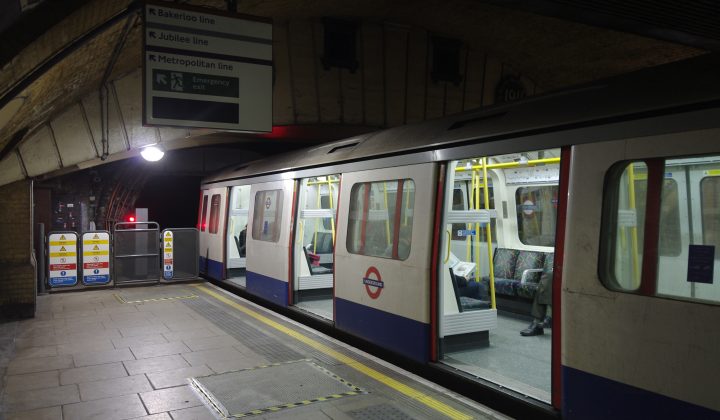
The Case for London’s Night Tube: Balancing Economic Growth with Quality of Life
An examination of the economic benefits and social considerations surrounding the expansion of London's Night Tube service, exploring its impact on businesses,…
Read update
Culver City Opens Key Bus and Bike Lanes on Washington and Adams
The Move Culver City Eastern Segment project enhances active transport infrastructure, connecting crucial bikeway networks and improving safety for cyclists and bus…
Read updateWiki relacionada

Transport for London: A Comprehensive Source for Urban Mobility Insight
Transport for London (TfL) is an indispensable resource for understanding London's complex transit network, streetscapes, and service quality. This reference page explores…
Read update
Understanding London’s Planning Application Process
A comprehensive guide to navigating London's planning application system, from submission to decision.
Read update
Understanding London’s Planning Application Process
A comprehensive guide to navigating the complexities of London's planning application system, from submission to decision.
Read update
Transport for London: A Comprehensive Resource for Urban Data and Reporting
Explore how Transport for London (TfL) serves as a vital source of data and insights for transit, street infrastructure, and service quality…
Read update