
Wellesley Town Sues Massachusetts Over State Housing Plans on College Parking Lot
The town of Wellesley, Massachusetts, has filed a lawsuit against the state, challenging plans to build 180 housing units on a state-owned surface parking lot used by Wellesley College.
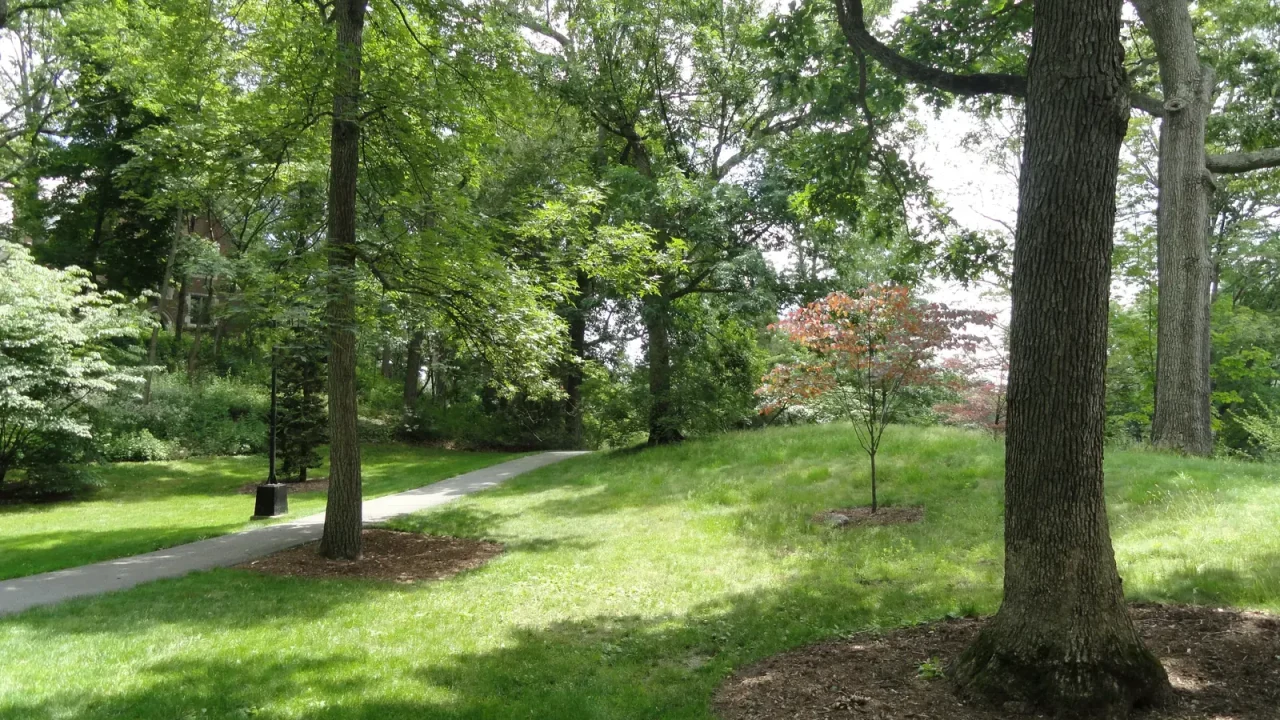
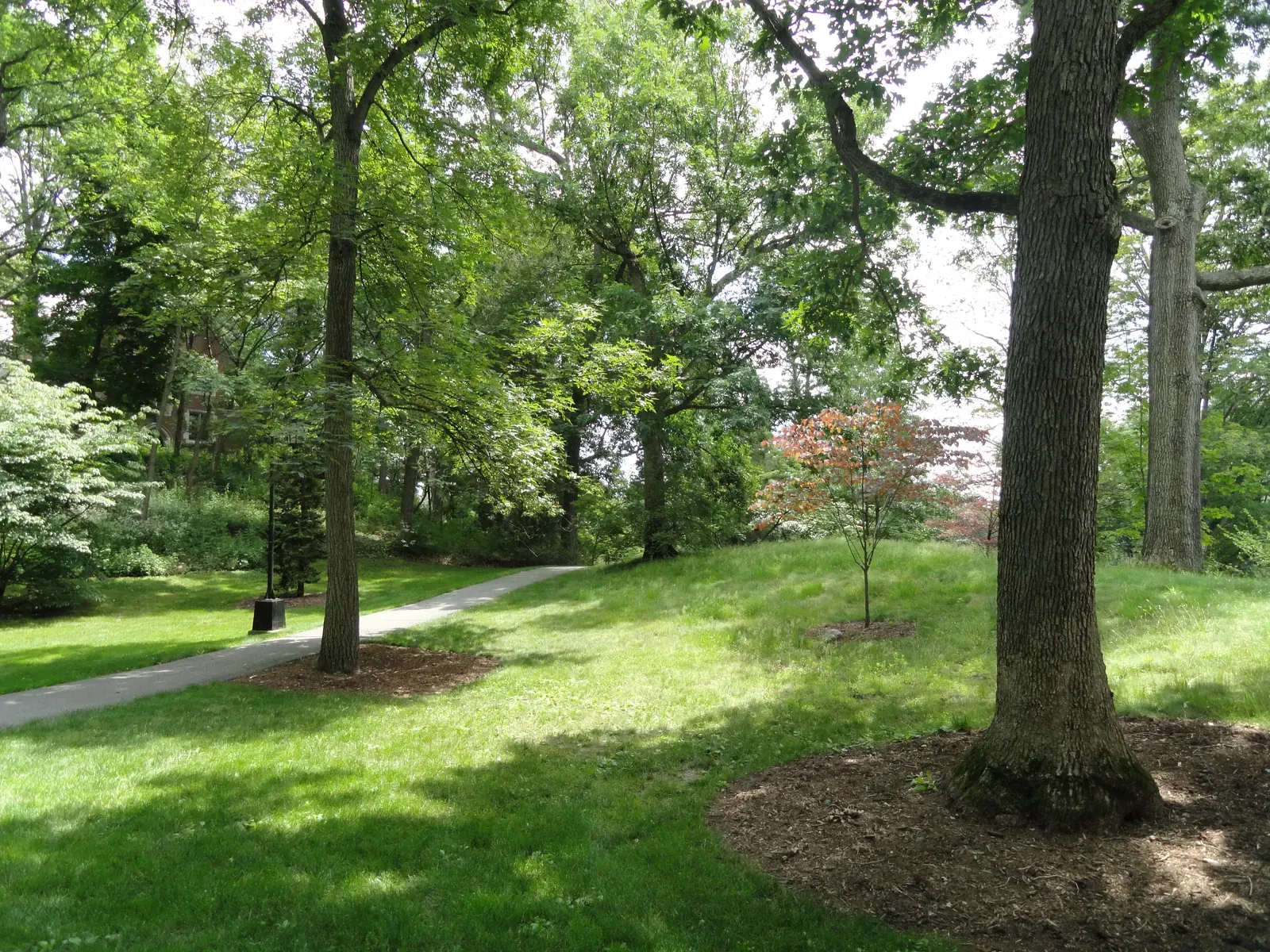
The town of Wellesley, Massachusetts, has initiated legal action against the state government, contesting a plan to develop 180 housing units on a state-owned parcel currently functioning as a surface parking lot for Wellesley College. The lawsuit, filed recently, centers on the town’s assertion that the property is not “surplus real property” as defined by state law, due to its ongoing active use by the educational institution.
Town officials have articulated their stance, emphasizing Wellesley’s commitment to housing production and affordability. In a statement, town representatives noted their “strong and well-established record of supporting housing production and affordability,” highlighting past compliance with other state housing mandates. However, the town also expressed reservations about the proposed density of the 180-unit development, irrespective of the property’s designation.
Legal Challenge to State Authority
At the heart of the lawsuit is the interpretation of Massachusetts General Laws Chapter 61A, which pertains to the disposition of surplus state-owned real property. Wellesley argues that the state cannot legally designate the parking lot as surplus and proceed with development under this statute because it serves a vital function for Wellesley College. The town contends that this active use by a community college disqualifies the land from being classified as “surplus.”
The legal challenge raises questions about the balance of power between municipal governments and the state in matters of land use and housing development. State preemption, where state law overrides local ordinances, is a recurring theme in housing debates across the United States. In this instance, Wellesley is pushing back against what it perceives as an overreach of state authority that disregards local context and existing usage.
Proposed Development Details
While the lawsuit focuses on the legal basis of the state’s claim to the property, the proposed housing development itself has also drawn attention. The plan includes 180 units, a density that town officials have flagged as a concern. The exact mix of housing types, affordability levels, and target populations for these units has not been detailed in the initial reports, but the town’s opposition to the density suggests potential issues with neighborhood character, infrastructure capacity, or the scale of the project relative to its surroundings.
The property in question is a surface parking lot, a common feature in many suburban and urban landscapes. The debate over converting such lots into housing is a critical one in addressing housing shortages, as they represent potentially developable land that is often underutilized in terms of its contribution to community needs beyond vehicle storage. However, the active use by Wellesley College complicates this typical land-use discussion.
Broader Implications for Housing Policy
The Wellesley case underscores a wider tension in Massachusetts and beyond regarding how to increase housing supply while respecting local concerns and existing land uses. State governments are increasingly seeking to streamline development processes and incentivize housing creation, sometimes through legislation that allows for the development of state-owned land or overrides local zoning restrictions.
This conflict between state housing goals and local control is a significant factor in urban planning and policy. Communities often grapple with how to accommodate necessary housing growth without compromising existing community assets or services. The outcome of Wellesley’s lawsuit could set a precedent for how similar disputes are resolved in the future, particularly concerning the definition of “surplus” land and the extent of state authority over local development.
The town’s position, as stated, is not one of outright opposition to housing. Rather, it appears to be a defense of local autonomy and a challenge to the specific application of state law in this instance. The town’s lawyers will likely argue that alternative sites or approaches could be employed by the state to meet its housing objectives without infringing on the operational needs of educational institutions or overriding established local land use practices.
Key facts
| Aspect | Detail |
|---|---|
| Location | Wellesley, Massachusetts |
| Parties involved | Town of Wellesley vs. State of Massachusetts |
| Dispute | Proposed housing development on state-owned parking lot |
| Town’s primary argument | Property is in active use by Wellesley College, not “surplus real property” |
| Proposed development | 180 housing units |
| Town’s secondary concern | Proposed density of the development |
Impact on Urban Planning and Development
The lawsuit brings to the forefront several critical urban planning considerations. Firstly, it highlights the challenge of identifying and utilizing underused land for housing. Surface parking lots are often prime candidates for redevelopment, but their current function, ownership, and legal status can create significant hurdles. Secondly, the case emphasizes the ongoing debate over state versus local control in planning and housing matters. Many municipalities feel that state mandates can overlook local conditions and community input.
Furthermore, the density aspect of the proposed development raises questions about infrastructure impacts, such as traffic, utilities, and public services, and how these are assessed and managed when state-led development occurs. For planners and residents, understanding the legal framework governing state land disposition and the mechanisms for challenging such plans is crucial for effective engagement in urban development processes.
The situation in Wellesley will be closely watched by other communities facing similar pressures to increase housing supply while navigating complex legal and planning landscapes. The outcome could influence future state-level housing initiatives and the collaborative approaches adopted by state agencies and local governments.
Source: Planetizen News, https://www.planetizen.com/news/2026/06/wellesley-sues-state-over-proposed-housing-state-owned-parking-lot
Fuente
Planetizen News Publicacion original: 2026-06-15T13:00:00+00:00
Related updates

New York Poll Shows Overwhelming Bipartisan Support for Apartments Near Transit, Highlighting Contrast with London’s Own Housing Debate
A new poll from Open New York finds 79% of voters support building multi-family homes near rail stations, as the governor’s race…
Read update
Seattle City Attorney Launches New Community Court and Repeat Offender Programme Amid Public Defender Concerns
Seattle City Attorney Erika Evans has launched Connection Court, a new community court programme, alongside a punitive High-Priority Repeat Offenses system. The…
Read update
Seattle’s Centers & Corridors Zoning Update Delayed by Environmental Review Ruling
A state hearings board ruling has forced Seattle to rework the environmental impact statement for its twenty-year growth plan, pushing the next…
Read update
FEMA disaster mitigation grants freeze threatens to stall UK resilience learning, planners warn
A US Government Accountability Office report says $2.2 billion in FEMA Building Resilient Infrastructure and Communities grants remain unresolved, delaying more than…
Read updateWiki relacionada

Urban Planning Terms: Density, Public Realm and Transit-Oriented Development
A living glossary for terms that appear again and again in planning and development stories.
Read update