
King County Approves 0.1% Sales Tax Increase for Road Maintenance
King County Council has approved a 0.1% sales tax increase, expected to generate approximately $90 million annually, dedicated to improving and maintaining county roads. The decision comes after significant debate regarding funding for infrastructure and a pass-through of funds to local cities.
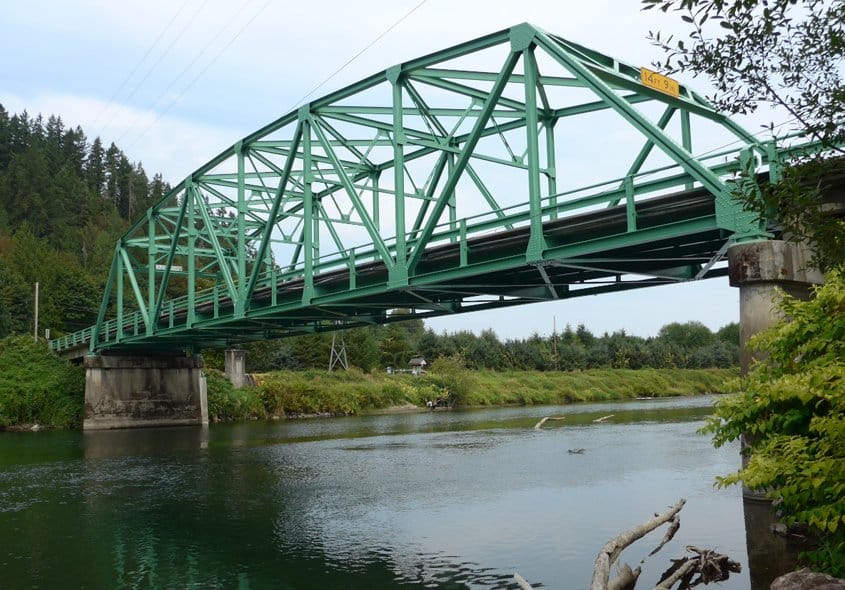
King County is set to receive a significant boost for its road services, with the County Council approving a 0.1% sales tax increase. This measure, which will take effect on January 1, is projected to generate approximately $90 million annually. The funds are earmarked for essential road maintenance and safety upgrades across the county, including unincorporated areas like East King County, White Center, Skyway, and Vashon Island.
The final vote was a narrow 5-4, reflecting a broader reluctance among councilmembers to impose further sales tax increases, especially as Seattle’s sales tax rate approaches 11%. Counties in Washington State, like King County, have a limited array of tools for infrastructure funding, a situation exacerbated by policies like the Growth Management Act that encourage growth within cities, potentially diminishing the tax base in unincorporated areas.
Funding Mechanism and Pass-Through Debate
The new funding stream was established through the King County Transportation District, a special purpose government created in 2014. Although a previous transit funding measure under this district was rejected by voters, the district provided the framework for this road funding initiative. By keeping the tax increase at 0.1%, the county circumvented the need for a public vote. Furthermore, the measure was approved by a board of supervisors comprising all nine county councilmembers, meaning King County Executive Dow Constantine does not have the authority to sign or veto the increase.
The King County Roads division is responsible for maintaining around 1,500 miles of roadways in unincorporated areas. The division’s financial footing was already precarious before December’s severe flooding, which necessitated over $10 million in emergency repairs. This sales tax increase represents the most substantial dedicated funding source for the division in decades.
A significant point of contention during the deliberations was the provision for a pass-through of a portion of the new revenue to King County’s 39 cities. Ultimately, 12.5% of the revenue will be distributed to these cities, allocated by population size, with an initial minimum of $10,000 for each jurisdiction. This allocation was a pivot from the Sound Cities Association (SCA), a lobbying group representing most of the county’s cities. The SCA had previously opposed tapping into the transportation district when the measure was intended to split revenue equally between roads and transit. This year, however, the SCA advocated for a share of the road funding, successfully lobbying for a pass-through that was eventually set at half of the initially proposed 25%.
The debate over the pass-through intensified with a proposal by District 5 Councilmember Rainier Fain to cap Seattle’s share of the funding at 15%, despite Seattle residents comprising 38% of the county’s incorporated population. This cap was ultimately defeated by the same 5-4 vote margin. Councilmembers Claudia Balducci and Reagan Dunn, alongside Seattle representatives Jorge Barón, Rhonda Lewis, and Teresa Mosqueda, voted against the cap, while Rod Dembowski voted in favour of it.
Concerns Over Equity and Precedent
The proposal to cap Seattle’s participation sparked considerable controversy. City leaders deemed the move unacceptable, arguing that the $10,000 minimum allotment, coupled with the cap, would result in a significantly smaller per-capita share for Seattle residents compared to other cities. Councilmember Eddie Lin voiced his opposition, stating, “Don’t send Seattle’s tax dollars to Medina or Clyde Hill!” He argued that singling out one jurisdiction for different treatment sets a concerning precedent.
Councilmember Jorge Barón echoed these sentiments, highlighting the importance of equitable treatment. “Carving out one jurisdiction and treating the residents of that jurisdiction differently than every other one sets a concerning precedent in my view,” Barón stated when proposing the removal of the cap. He added, “Everybody that I heard from my district and from Seattle was supportive of us paying our fair share, we want to do our fair share, we realized that that is important, but what we don’t think is helpful is for us to be pitted against each other.”
Investing in Safety and Accessibility
Teresa Mosqueda, representing West Seattle, Burien, White Center, and Vashon Island, emphasized the potential for the county to accelerate safety and accessibility investments in areas under its jurisdiction. Currently, King County Roads allocates only about $150,000 annually for Americans with Disabilities Act (ADA) compliance, a figure vastly lower than the estimated $551 million in need. “We are striving here to bring back dollars to some of our regions that have long been backburnered and to invest in our communities that are also in desperate need of road improvement in sidewalks and bike lanes,” Mosqueda said. She stressed that the funding would not only improve roads but also enhance safe infrastructure for all users, including drivers, bus passengers, cyclists, pedestrians, and wheelchair users, facilitating safe travel countywide.
Critical Infrastructure Needs
Councilmember Claudia Balducci, who chaired the board overseeing the process, pointed to the critical state of some of the county’s infrastructure. She recounted a recent visit to her colleague Sarah Perry’s district, which extends from Redmond to Skykomish. “We went and visited roads out in Eastern King County that were closed after the flood that will not be reopened. There’s no plan to reopen them. Roads that are not critical pathways are closing due to damage that we do not have the money to fix,” Balducci stated. She highlighted the importance of roads in “urban islands” like Skyway, White Center, and Vashon Island, noting that while these critical routes would be prioritized, they would eventually fall into disrepair without new resources, even by current low maintenance standards.
Key facts
| Aspect | Detail |
|—|—|
| Funding Source | 0.1% King County sales tax increase |
| Projected Annual Revenue | Approximately $90 million |
| Effective Date | January 1 |
| Allocation | Road maintenance and safety upgrades in unincorporated areas |
| City Pass-through | 12.5% of revenue, based on population (min $10,000 per city) |
| Approval Vote | 5-4 |
This sales tax increase signifies a crucial step in addressing the long-standing underfunding of King County’s road maintenance and safety initiatives. The additional revenue is expected to allow for much-needed repairs and upgrades, particularly in areas that have historically received less investment. The debate surrounding the city pass-through also highlights the complex intergovernmental relationships and the ongoing discussion about equitable distribution of public funds within the county. The focus now shifts to the implementation of these funds and the tangible improvements they will bring to the county’s transportation network.
Source: The Urbanist, https://www.theurbanist.org/king-county-approves-0-1-sales-tax-bump-to-aid-county-roads/
Datos clave
| Punto | Detalle |
|---|---|
| Fuente | The Urbanist |
| Fecha | 2026-06-13T02:53:28+00:00 |
| Tema | King County Approves 0.1% Sales Tax Bump to Aid County Roads |
Fuente
The Urbanist Publicacion original: 2026-06-13T02:53:28+00:00
Related updates
Why the predicted Portland ‘Carmaggedon’ never arrived — and what London can learn about traffic evaporation
A month-long closure of a mile-long section of I-5 in Portland was forecast to triple commute times. Instead, morning peak journeys increased…
Read update
What the fall of Angkor reveals about the risks of low-density urban sprawl
A new analysis of the fall of Angkor, the ancient Khmer capital, draws parallels between its sprawling, low-density infrastructure and the vulnerabilities…
Read update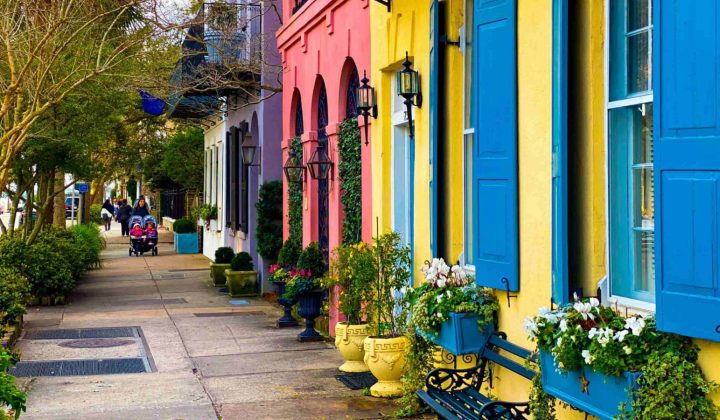
Why urban beauty matters for community wellbeing and civic pride
Research and everyday experience show that beautiful places foster stronger communities, better mental health, and greater civic engagement. What can London learn…
Read update
Colorado Data Center Dispute Highlights Gap in Planning Rules and Community Oversight
A proposal for Colorado’s largest data centre in Aurora has sparked debate over planning rules that allow major developments to bypass public…
Read update