
Seattle Considers Temporary MHA Adjustments to Revive Stalled Housing Pipeline
The city of Seattle is exploring a two-year "MHA Accelerator" to reduce fees for new developments, aiming to unfreeze its housing pipeline and ensure continued funding for affordable housing projects.
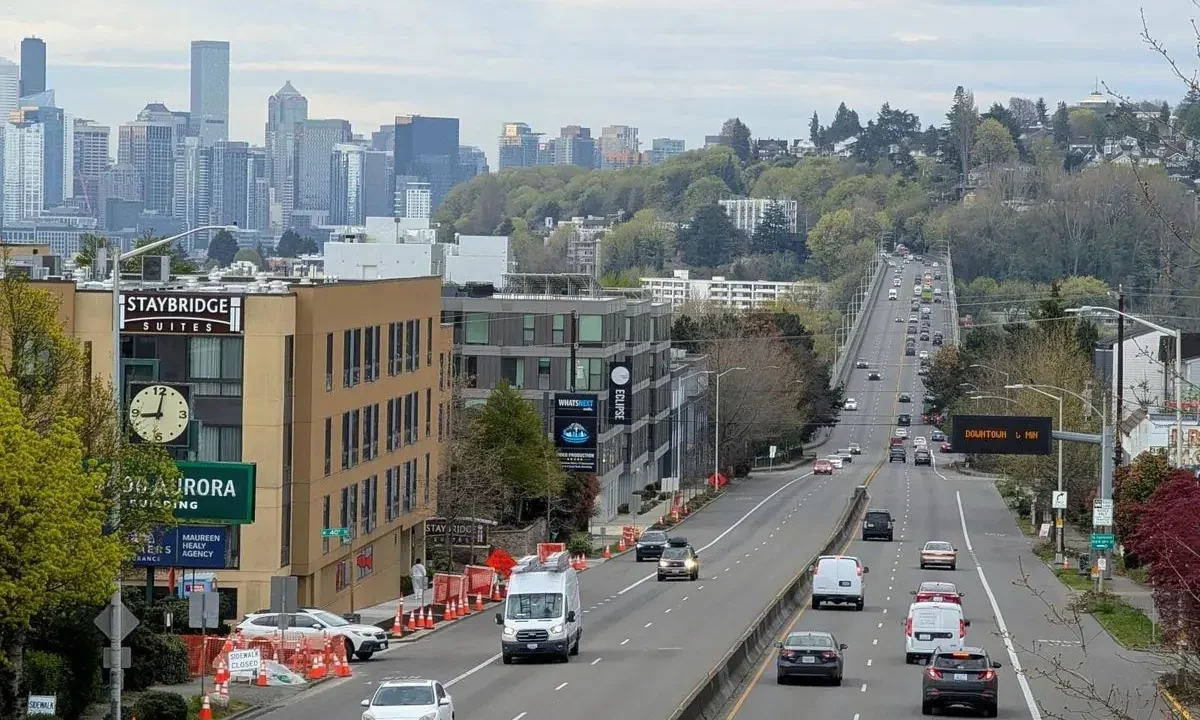
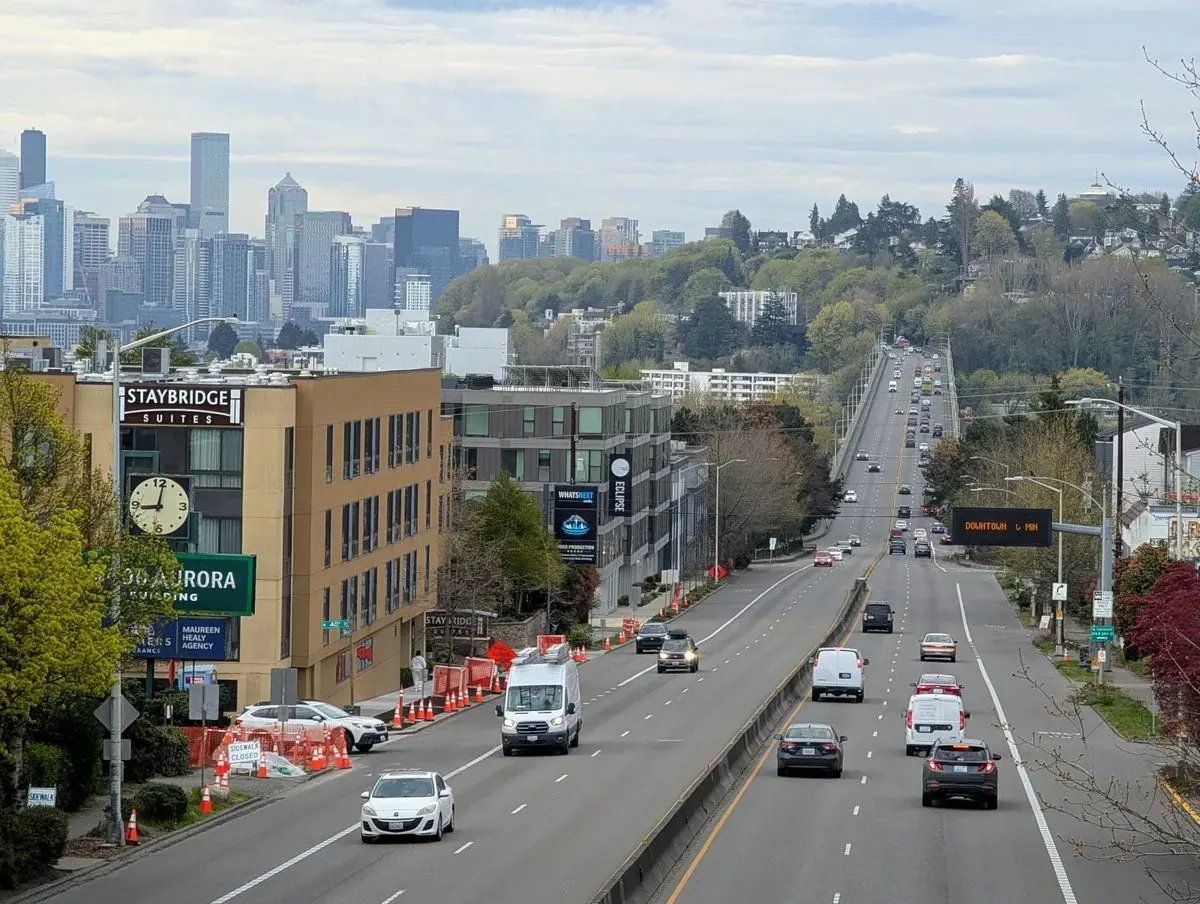
Seattle is facing a significant slowdown in housing production, with permit applications in 2025 dropping to roughly a third of the pace seen between 2018 and 2021. This “housing production freeze” has broad implications for renters, prospective homeowners, construction workers, and the creation of affordable housing. A development that remains on the drawing board, or is stalled before construction begins, fails to deliver both market-rate and the affordable housing units typically generated through the city’s Mandatory Housing Affordability (MHA) program.
The MHA program, implemented between 2017 and 2019, requires new multifamily and commercial developments to contribute to affordable housing. Developers have the option to either include a certain percentage of income- and rent-restricted units on-site or pay a fee to the Office of Housing’s affordable housing fund. This “grand bargain” was designed to ensure that increased density from upzones directly supports inclusive growth and creates homes for essential city workers.
A temporary recalibration of the MHA program, known as the MHA Accelerator, is now under consideration. This proposal, championed by organizations like the Housing Development Consortium (HDC) and the Seattle Housing Roundtable, aims to address the current market conditions that are hindering new construction.
Key Facts
| Aspect | Detail |
|---|---|
| Program | Mandatory Housing Affordability (MHA) in Seattle |
| Issue | Housing production freeze due to development economics |
| Proposed Solution | Two-year MHA Accelerator |
| Accelerator Details | 80% fee reduction for multifamily; 90% for townhomes/small projects |
| Goal | Unlock stalled projects, generate affordable housing revenue |
| Affordability Funding | Commitment to maintain Office of Housing budget |
The Current Freeze
The MHA program itself is not seen as the cause of the current slowdown. From 2018 to 2022, the program coincided with record housing production, generating over $300 million and contributing to the creation of 4,595 affordable homes, plus an additional 548 units built on-site within market-rate projects.
However, the underlying economics of development have shifted. Sharp increases in construction costs, elevated interest rates, and a lag in rent growth have collectively reduced developer returns below the thresholds required by equity investors. While many of these pressures are national or regional and beyond the City of Seattle’s direct control, the MHA program represents a significant local lever that can be adjusted in the short term.
The impact on affordable housing revenue is also a critical consideration. An earlier budget estimate of $22 million in MHA revenue for 2026 has not materialized. As of late May 2026, the City had collected only $3.8 million in MHA fees for the year. Doing nothing, proponents argue, does not preserve this revenue stream but rather risks its collapse, as no fees can be collected from buildings that are never constructed.
The MHA Accelerator Proposal
The proposed MHA Accelerator is a temporary, two-year measure designed to make stalled projects financially viable again. It includes an 80% reduction in MHA fees for multifamily projects and a 90% reduction for townhomes and projects under 30 units. To qualify for these reduced rates, projects must commence construction within the two-year window. This ensures that the relief benefits only those developments that are actively building new homes. Importantly, the reduced rates are time-limited and will expire at the end of the two-year term.
This temporary adjustment is intended to restart the development clock for projects that are currently stuck. More than 70 projects, representing approximately 6,700 homes, are reportedly in the permitting process but have stalled due to financing challenges. These projects are unable to meet investor return thresholds under current market conditions.
Even with the reduced fee structure, these 35 projects alone could generate an estimated $24 million in MHA revenue in their first year, exceeding the revenue expected from the current frozen state. This demonstrates the potential of the Accelerator to not only unblock housing supply but also to sustain affordable housing funding.
A Balanced Approach
The Housing Development Consortium (HDC) has emphasized that the decision to support this reduction was not made lightly. Their analysis indicates that many market-rate multifamily developments currently do not “pencil out” financially, and a minor fee reduction would be insufficient to overcome the return hurdles. A substantial enough adjustment is needed to influence investment decisions.
A core element of this negotiation is a shared commitment among the City, HDC, and the Seattle Housing Roundtable to maintain the Office of Housing’s affordable housing budget for 2026. This will be achieved by drawing on the MHA fees collected at the Accelerator rate, alongside other fund sources. This ensures that relief for stalled market-rate housing production is paired with a sustained commitment to affordable housing.
Looking Ahead
The MHA Accelerator is viewed as a short-term bridge. Longer-term work is also planned, including a partnership with the City on a new nexus study. This study will aim to establish the program’s long-term structure based on current economic realities, ensure its legal durability, and reflect the contemporary development landscape.
While there is an understandable instinct to defend the MHA program as it currently exists, advocates of the Accelerator argue that maintaining existing fee levels while the housing pipeline empties risks both the program’s legitimacy and its ability to generate essential revenue. The choice, they contend, is not between MHA as written and no MHA at all, but between an MHA program that adapts to current market conditions and one that becomes increasingly detached from the realities of urban development.
Source: The Urbanist, Op-Ed: To Save Mandatory Housing Affordability, We Have to Recalibrate It, https://www.theurbanist.org/op-ed-to-save-mandatory-housing-affordability-we-have-to-recalibrate-it/
Fuente
The Urbanist Publicacion original: 2026-06-12T18:15:40+00:00
Related updates
New York Poll Shows Overwhelming Bipartisan Support for Apartments Near Transit, Highlighting Contrast with London’s Own Housing Debate
A new poll from Open New York finds 79% of voters support building multi-family homes near rail stations, as the governor’s race…
Read update
Seattle City Attorney Launches New Community Court and Repeat Offender Programme Amid Public Defender Concerns
Seattle City Attorney Erika Evans has launched Connection Court, a new community court programme, alongside a punitive High-Priority Repeat Offenses system. The…
Read update
Seattle’s Centers & Corridors Zoning Update Delayed by Environmental Review Ruling
A state hearings board ruling has forced Seattle to rework the environmental impact statement for its twenty-year growth plan, pushing the next…
Read update
FEMA disaster mitigation grants freeze threatens to stall UK resilience learning, planners warn
A US Government Accountability Office report says $2.2 billion in FEMA Building Resilient Infrastructure and Communities grants remain unresolved, delaying more than…
Read update