
US Infrastructure Bill Boosts Active Transport Funding Amidst Advocacy Push
New federal legislation includes key provisions for cycling and pedestrian infrastructure, a win for advocates pushing for safer streets and alternative transport options.

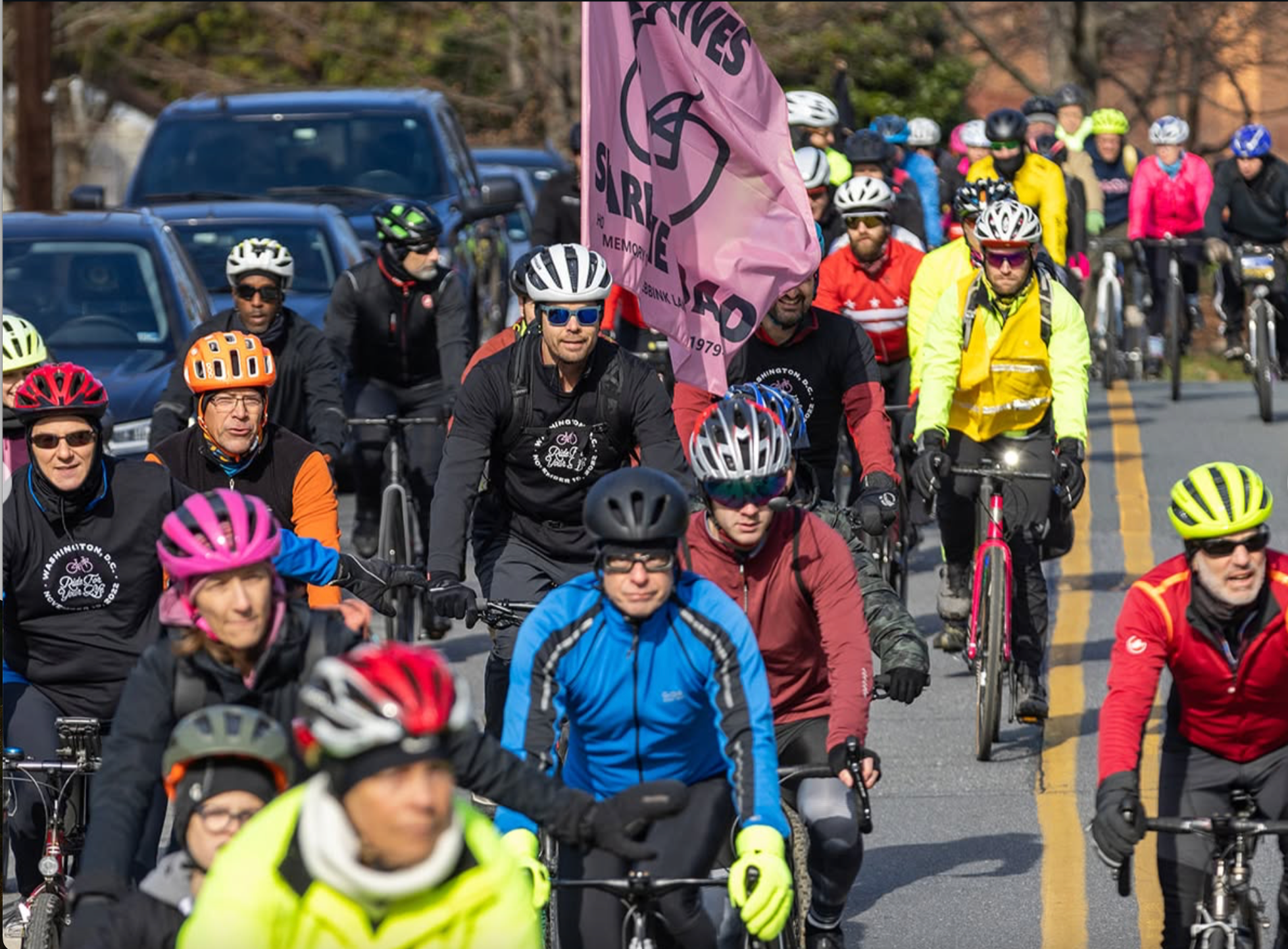
A significant shift in federal transportation funding is set to unlock new opportunities for cycling and pedestrian infrastructure across the United States. Critical policy changes, championed by dedicated advocacy groups, have been incorporated into the House’s latest major transportation law, the BUILD AMERICA 250 Act. This development marks a crucial step towards prioritizing active transportation and potentially transforming how communities invest in their street networks.
Key Provisions for Active Transport
The legislation includes several key provisions from the bipartisan Sarah Debbink Langenkamp Safety Act. If these provisions survive the ongoing legislative process, they will, for the first time, explicitly encourage communities to use their guaranteed Highway Safety Improvement Program (HSIP) dollars to fill gaps in their active transportation networks. Crucially, these measures will allow local governments to fund bike lanes and greenways using federal money alone, removing the previous requirement for a local match that often served as a barrier to such projects.
This change addresses a long-standing demand from advocates who argue that current infrastructure spending disproportionately favors motorists. The HSIP, traditionally focused on vehicular safety, will now have a clearer pathway to support non-motorized users. This could catalyze numerous projects that enhance safety and accessibility for cyclists and pedestrians, encouraging modal shift and reducing reliance on private vehicles.
Advocacy in Action: The Ride For Your Life Movement
The inclusion of these provisions is a direct result of persistent advocacy, significantly influenced by the “Ride For Your Life” initiative. This movement, inspired by the memory of Sarah Debbink Langenkamp, a cycling advocate who died in 2022, organizes “rolling protests” to raise awareness and push for legislative change. These events have seen thousands of cyclists gather in Washington D.C. and other cities to demonstrate support for measures aimed at ending traffic violence.
Rep. Jamie Raskin (D-Maryland), who introduced the Langenkamp Safety Act, highlighted the strong bipartisan support for making roadways more pedestrian and cyclist-friendly, especially in light of rising gasoline prices. He emphasized the importance of ensuring tax dollars support all forms of transportation. The “Ride For Your Life” events have been instrumental in mobilizing public attention and support for these policy goals.
Founded by Sarah Langenkamp’s family, a new national nonprofit aims to replicate this model of advocacy across the country. The organization plans to continue organizing similar advocacy rides, which they see as the cornerstone of their efforts to channel grief and anger into effective policy change.
Broader Impact and Challenges
While the inclusion of the Langenkamp provisions is a significant victory, advocates acknowledge that the fight for safer streets is ongoing. The BUILD AMERICA 250 Act, as it stands, still heavily favors highway spending over other modes of transport. Realizing the full potential of these new provisions will require continued organizing and potentially shifts in electoral outcomes to ensure a more balanced investment in transportation infrastructure.
The success of the Langenkamp Act provisions also builds on previous advocacy efforts, such as the momentum gained by the Magnus White Cycling Safety Act, which also saw significant support after a similar organized ride. The provisions from that act, requiring new cars to be equipped with automatic braking systems capable of detecting cyclists and pedestrians, are also reportedly included in the BUILD AMERICA 250 Act.
The Langenkamp family and their allies are working to refine their advocacy strategy, aiming to connect awareness rides with specific legislative and policy asks. Their approach involves bringing together affected families, sympathetic legislators, the general public, and advocates to create a unified front for change. They believe this integrated strategy can lead to tangible improvements on the ground and help shift the national conversation towards prioritizing safety for all road users.
The current legislative process involves a months-long “reauthorization” process, where the BUILD AMERICA 250 Act will undergo further negotiations. The survival of the Langenkamp provisions through these discussions will be critical in determining the extent of their impact on active transportation funding nationwide.
Key facts
| Provision | Description | Impact |
|—|—|—|
| HSIP Funding for Active Transport | Allows guaranteed Highway Safety Improvement Program dollars to be used for cycling and pedestrian infrastructure gaps. | Unlocks federal funding for active transport projects without local match requirements. |
| Langenkamp Safety Act Provisions | Key measures from the Langenkamp Safety Act incorporated into the BUILD AMERICA 250 Act. | Encourages and enables communities to invest in non-motorized infrastructure. |
| Ride For Your Life Advocacy | Advocacy rides organized to support legislation aimed at ending traffic violence. | Mobilizes public support and raises awareness for critical safety measures. |
This legislative development signifies a potential paradigm shift in how federal funds are allocated for transportation, moving beyond a car-centric approach to embrace a more multimodal future. The success of these provisions in the final bill will be a testament to the power of sustained advocacy and a crucial step towards creating safer, more equitable, and sustainable transportation networks across the United States.
Source: Streetsblog USA https://usa.streetsblog.org/2026/06/04/a-rolling-protest-helped-win-some-of-the-best-provisions-in-congress-new-infrastructure-bill
Key facts
| Point | Detail |
|---|---|
| Source | Streetsblog USA |
| Date | 2026-06-04T04:05:00+00:00 |
| Topic | A Rolling Protest Helped Win Some of the Best Provisions in Congress’ New Infrastructure Bill |
Fuente
Streetsblog USA Publicacion original: 2026-06-04T04:05:00+00:00
Related updates

Seattle-Area Race Highlights Diverging Approaches to Housing, Transit and Tech Taxation
A Washington State legislative race in the 32nd District pits incrementalism against urgency on housing supply, transit funding and tech regulation, with…
Read update
New York court ruling on sanctuary policies carries implications for city-level immigration enforcement across the US
A federal judge has dismissed the Trump administration’s attempt to override New York City’s restrictions on immigration enforcement cooperation, citing state sovereignty.…
Read update
Automated license plate readers raise privacy, contract and oversight questions for UK cities
A new US-focused analysis of automated license plate recognition cameras highlights contract, privacy and oversight issues that London boroughs and Transport for…
Read update
Oregon’s “fix it first” dilemma: what London’s transport planners can learn from a revolt against megaprojects
Surveys show Oregonians overwhelmingly want existing roads repaired before new megaprojects are funded, and trust in the state’s transport agency has collapsed.…
Read updateWiki relacionada
Urban Planning Terms: Density, Public Realm and Transit-Oriented Development
A living glossary for terms that appear again and again in planning and development stories.
Read update