
Portland’s TriMet to Scale Back Paratransit Service, Impacting Hundreds of Riders
TriMet, Portland's public transit agency, announced plans to significantly reduce its "Hand-to-Hand" paratransit service, affecting approximately 300 regular users. The move aims to redirect savings towards other services mandated by the Americans with Disabilities Act (ADA).

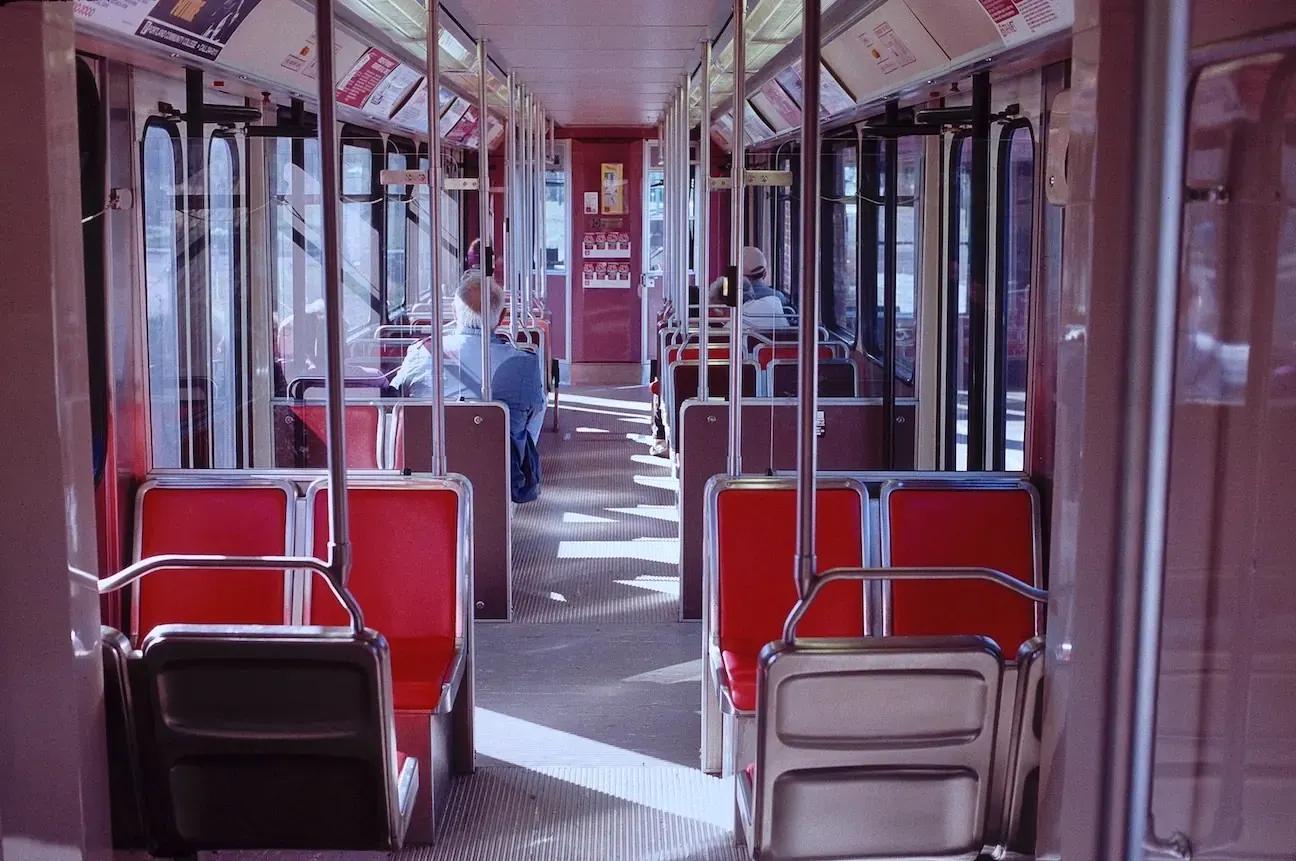
Portland’s TriMet transit agency is set to eliminate the “Hand-to-Hand” component of its paratransit service, a decision that will affect close to half of the program’s current users. This move, driven by budget considerations, will see approximately 300 riders no longer receive the enhanced support provided by this specific service.
The “Hand-to-Hand” service is an extension of standard paratransit, where drivers not only transport eligible passengers but also escort them to their final destination and ensure they are connected with another adult. This level of assistance goes beyond the minimum requirements of the Americans with Disabilities Act (ADA).
TriMet stated that the roughly 300 riders who will lose this specialised service will remain eligible for the general LIFT program, which is the agency’s federally mandated paratransit offering for disabled residents. However, they will need to coordinate alternative arrangements for the “Hand-to-Hand” level of care through their respective counties’ disability programs.
Cost Efficiency and Service Reallocation
The decision to curtail the “Hand-to-Hand” service is primarily driven by the program’s operational costs. TriMet estimates that this specific service accounts for approximately $2.5 million annually in service hours. The agency has indicated that the savings generated from this reduction will be reinvested into other LIFT program services, rather than being allocated to other TriMet transit operations.
In Portland, a total of 12,000 passengers are registered for the LIFT program. Of these, 650 individuals currently benefit from the “Hand-to-Hand” service. The elimination of this component means that about 350 riders will continue to receive the enhanced support, while the remaining 300 will see their service level reduced.
Background of Paratransit Services
Paratransit services are a critical component of public transportation systems, designed to provide mobility for individuals with disabilities who cannot use fixed-route bus or rail services. The LIFT program in Portland, like similar services across the United States, is mandated by the ADA to ensure equitable access to transportation. The “Hand-to-Hand” service represents TriMet’s effort to offer a higher tier of support, addressing specific needs of some of its most vulnerable users.
The ADA requires transit agencies to provide complementary paratransit services to individuals with disabilities. These services must be comparable to the level of service provided to individuals without disabilities. While the “Hand-to-Hand” service exceeds these basic requirements, its cessation raises questions about the continuity of care for affected riders and their ability to secure equivalent support through other avenues.
Community Impact and Future Considerations
The reduction in service is likely to present challenges for the affected riders, who rely on the “Hand-to-Hand” assistance for their daily mobility. Coordinating with county disability programs may involve additional administrative steps and potentially different service providers, which could lead to disruptions or a perceived decrease in the quality of support.
Urban planning discussions often highlight the importance of inclusive transportation systems that cater to the diverse needs of all residents. The scaling back of enhanced paratransit services, even when savings are redirected to core services, can have a tangible impact on the independence and quality of life for individuals with disabilities.
This development underscores the ongoing tension between budgetary constraints and the commitment to providing comprehensive and accessible public services. As transit agencies navigate financial challenges, decisions about service levels, particularly for specialized programs like “Hand-to-Hand,” require careful consideration of their impact on riders and the broader goal of creating equitable urban environments.
Key facts
| Aspect | Detail |
|---|---|
| Transit Agency | TriMet (Portland, Oregon) |
| Service Affected | “Hand-to-Hand” paratransit service |
| Number of Users Affected | Approximately 300 riders |
| Estimated Annual Cost Saved | $2.5 million |
| Reason for Cutback | Budgetary constraints, reinvestment in other LIFT services |
| Mandated Program | LIFT program (federally mandated paratransit under ADA) |
The impact of this service reduction will be felt by hundreds of Portland residents who depend on this specialised assistance for their daily commutes and essential travel. The transition to county-level coordination for this enhanced support highlights the complex web of agencies and programs involved in supporting individuals with disabilities.
Source: Planetizen News, https://www.planetizen.com/news/2026/07/137940-trimet-will-eliminate-hand-hand-paratransit-service-half-its-users
Fuente
Planetizen News Publicacion original: 2026-07-07T16:00:00+00:00
Related updates

New York Poll Shows Overwhelming Bipartisan Support for Apartments Near Transit, Highlighting Contrast with London’s Own Housing Debate
A new poll from Open New York finds 79% of voters support building multi-family homes near rail stations, as the governor’s race…
Read update
Seattle City Attorney Launches New Community Court and Repeat Offender Programme Amid Public Defender Concerns
Seattle City Attorney Erika Evans has launched Connection Court, a new community court programme, alongside a punitive High-Priority Repeat Offenses system. The…
Read update
Seattle’s Centers & Corridors Zoning Update Delayed by Environmental Review Ruling
A state hearings board ruling has forced Seattle to rework the environmental impact statement for its twenty-year growth plan, pushing the next…
Read update
FEMA disaster mitigation grants freeze threatens to stall UK resilience learning, planners warn
A US Government Accountability Office report says $2.2 billion in FEMA Building Resilient Infrastructure and Communities grants remain unresolved, delaying more than…
Read updateWiki relacionada

Urban Planning Terms: Density, Public Realm and Transit-Oriented Development
A living glossary for terms that appear again and again in planning and development stories.
Read update