
Transit Faces Lingering Pandemic Effects, Streetsblog USA Reports
A report from Streetsblog USA highlights the ongoing challenges facing public transportation systems as they continue to recover from the impacts of the COVID-19 pandemic, with a focus on service reliability and passenger experience.
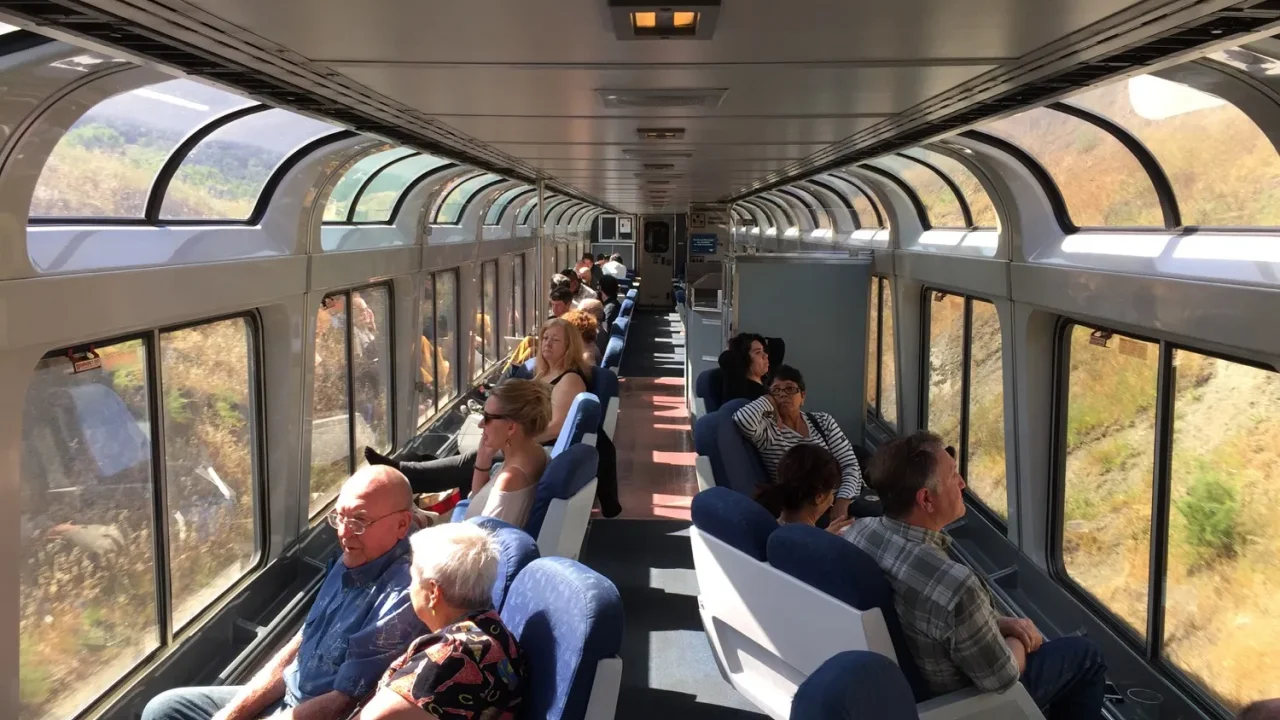
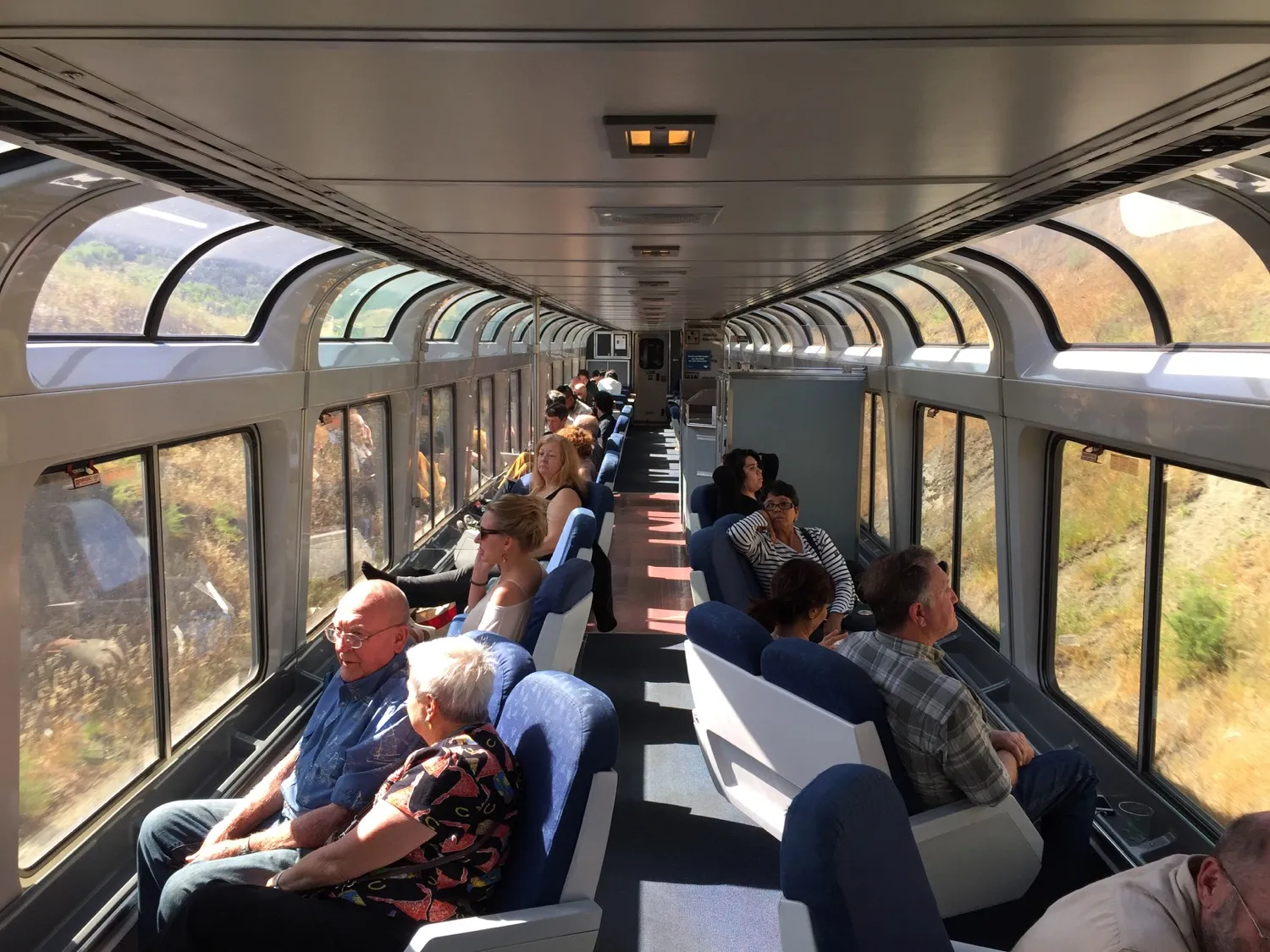
Public transportation networks are still grappling with the enduring consequences of the COVID-19 pandemic, a situation that appears to be a prolonged recovery rather than a swift return to pre-pandemic norms. A recent report from Streetsblog USA, titled “Tuesday’s Headlines Have Long COVID,” sheds light on the multifaceted challenges that continue to affect transit services and passenger ridership. The article suggests that the disruptions caused by the pandemic have left a lasting impact on the operational efficiency, financial stability, and public perception of transit systems.
The “long COVID” analogy used by Streetsblog USA effectively captures the persistent nature of these issues. It implies that the immediate crisis of the pandemic has subsided, but its after-effects continue to weaken the system’s overall health and functionality. For urban centres like London, where public transport is a cornerstone of daily life and economic activity, understanding and addressing these lingering effects is crucial for maintaining mobility, supporting economic recovery, and achieving climate goals.
Service Reliability and Operational Strain
One of the primary concerns highlighted is the strain on service reliability. The pandemic led to significant operational adjustments, including driver shortages, maintenance backlogs, and altered service schedules. While many of these measures were necessary to cope with reduced demand and staff availability, their long-term impact is a degradation of the consistent and dependable service that passengers expect. This can manifest as increased delays, service cancellations, and overcrowding during peak times, further deterring potential riders.
The report implicitly points to the need for sustained investment in operational resources. This includes not only funding for day-to-day services but also for the recruitment and retention of skilled staff, such as drivers and maintenance crews. Without adequate staffing levels and a robust maintenance program, transit agencies will struggle to restore services to their previous levels of reliability, creating a negative feedback loop where poor service leads to lower ridership, which in turn can lead to further service cuts.
Passenger Experience and Ridership Recovery
The recovery of passenger ridership is intricately linked to the perceived quality and reliability of transit services. If passengers experience frequent delays, crowded conditions, or feel that services are not meeting their needs, they are less likely to return to public transport, even as other aspects of life return to normal. The report suggests that the pandemic has shifted travel patterns and preferences, with some former transit users opting for private vehicles or other modes of transport.
Rebuilding passenger confidence is therefore a critical task. This involves not only improving service reliability but also enhancing the overall passenger experience. Factors such as cleanliness, safety, real-time information, and the ease of ticketing and payment all play a role in attracting and retaining riders. For London, this means a continued focus on maintaining and improving the experience on the Underground, buses, and overground services, ensuring they are attractive and viable alternatives to private car use.
Financial Sustainability
The financial implications of the pandemic on transit systems are profound. Reduced ridership directly translates to lower farebox revenue, while operational costs may increase due to factors like inflation and the need for enhanced cleaning and safety measures. This has placed many transit agencies in a precarious financial position, often requiring increased subsidies from local or national governments.
The Streetsblog USA report implicitly raises questions about the long-term financial sustainability of public transit. Without a clear and sustained funding model, transit agencies may face difficult choices regarding service levels, fare increases, or capital investments. This underscores the importance of exploring innovative funding mechanisms and advocating for robust public investment in transit as a public good and essential infrastructure.
Future Outlook and Policy Implications
The “long COVID” of transit is not just an operational or financial issue; it also has significant policy implications. The recovery of public transit is closely tied to broader urban planning goals, including reducing traffic congestion, improving air quality, and promoting equitable access to opportunities. If transit systems falter, cities may struggle to achieve these objectives.
The report serves as a call to action for policymakers, transit agencies, and the public to recognize the ongoing challenges and to commit to supporting transit recovery. This may involve increased government funding, innovative service delivery models, and a renewed focus on the value of public transportation in creating sustainable and livable cities. The path forward requires a comprehensive understanding of the pandemic’s lasting effects and a strategic approach to rebuilding and strengthening transit systems for the future.
Key facts
| Aspect | Impact of Pandemic |
|—|—|
| Service Reliability | Persistent issues with delays and cancellations due to staffing and maintenance challenges. |
| Ridership | Slow and uneven recovery, with some user groups not returning to pre-pandemic levels. |
| Financial Health | Significant revenue loss and increased operational costs straining agency budgets. |
| Policy Relevance | Crucial for urban mobility, climate goals, and equitable access to city services. |
The ongoing challenges faced by public transit systems, as highlighted by Streetsblog USA, have direct implications for urban planning in London. A weakened transit network can lead to increased reliance on private vehicles, exacerbating congestion and air pollution. Conversely, a strong and reliable transit system is essential for supporting development, enabling access to jobs and services, and contributing to the city’s climate resilience targets. The data and policy shifts stemming from this period will shape how London’s transport infrastructure is planned and funded in the coming years, affecting everything from street design to housing development patterns.
Fuente: Streetsblog USA – https://usa.streetsblog.org/2026/05/26/tuesdays-headlines-have-long-covid
Datos clave
| Punto | Detalle |
|---|---|
| Fuente | Streetsblog USA |
| Fecha | 2026-05-26T16:01:00+00:00 |
| Tema | Tuesday’s Headlines Have Long COVID |
Fuente
Streetsblog USA Publicacion original: 2026-05-26T16:01:00+00:00
Related updates

Seattle-Area Race Highlights Diverging Approaches to Housing, Transit and Tech Taxation
A Washington State legislative race in the 32nd District pits incrementalism against urgency on housing supply, transit funding and tech regulation, with…
Read update
New York court ruling on sanctuary policies carries implications for city-level immigration enforcement across the US
A federal judge has dismissed the Trump administration’s attempt to override New York City’s restrictions on immigration enforcement cooperation, citing state sovereignty.…
Read update
Automated license plate readers raise privacy, contract and oversight questions for UK cities
A new US-focused analysis of automated license plate recognition cameras highlights contract, privacy and oversight issues that London boroughs and Transport for…
Read update
Oregon’s “fix it first” dilemma: what London’s transport planners can learn from a revolt against megaprojects
Surveys show Oregonians overwhelmingly want existing roads repaired before new megaprojects are funded, and trust in the state’s transport agency has collapsed.…
Read updateWiki relacionada

Urban Planning Terms: Density, Public Realm and Transit-Oriented Development
A living glossary for terms that appear again and again in planning and development stories.
Read update