
Tire Wear Particles Identified as Significant Air Pollutant
New research from Yale University highlights the environmental impact of tire wear, identifying it as a major source of air pollution.
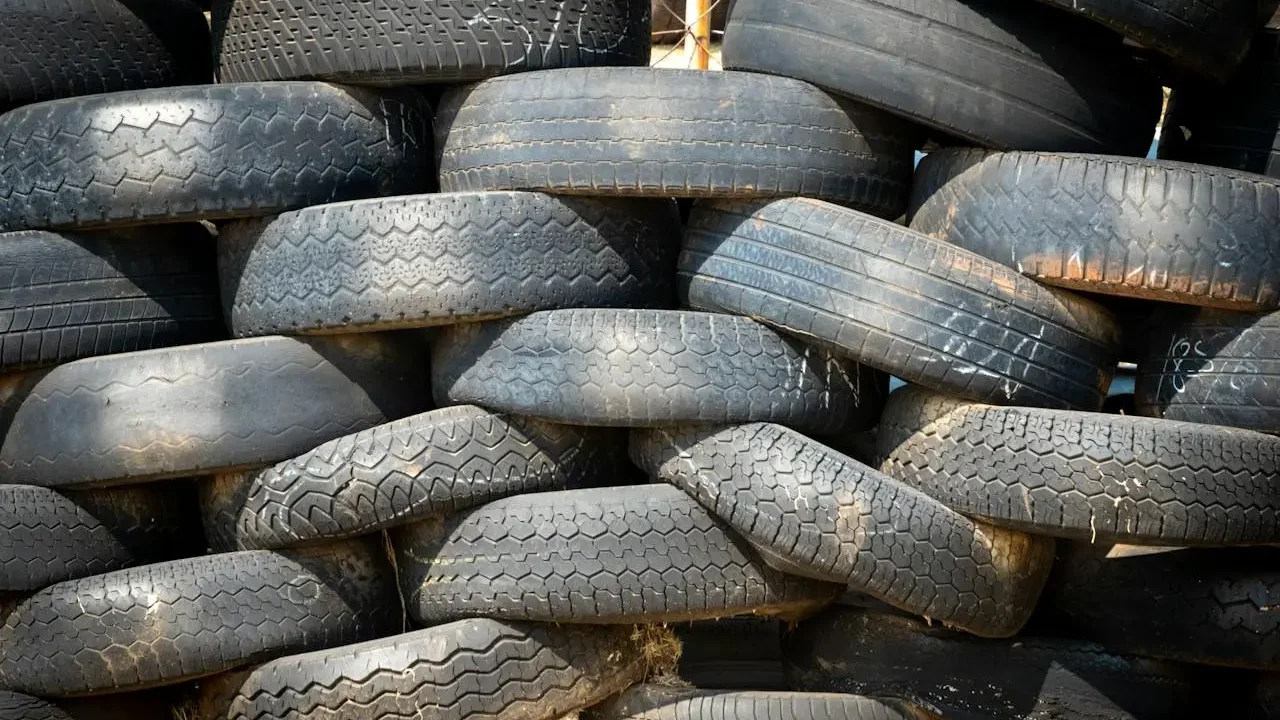
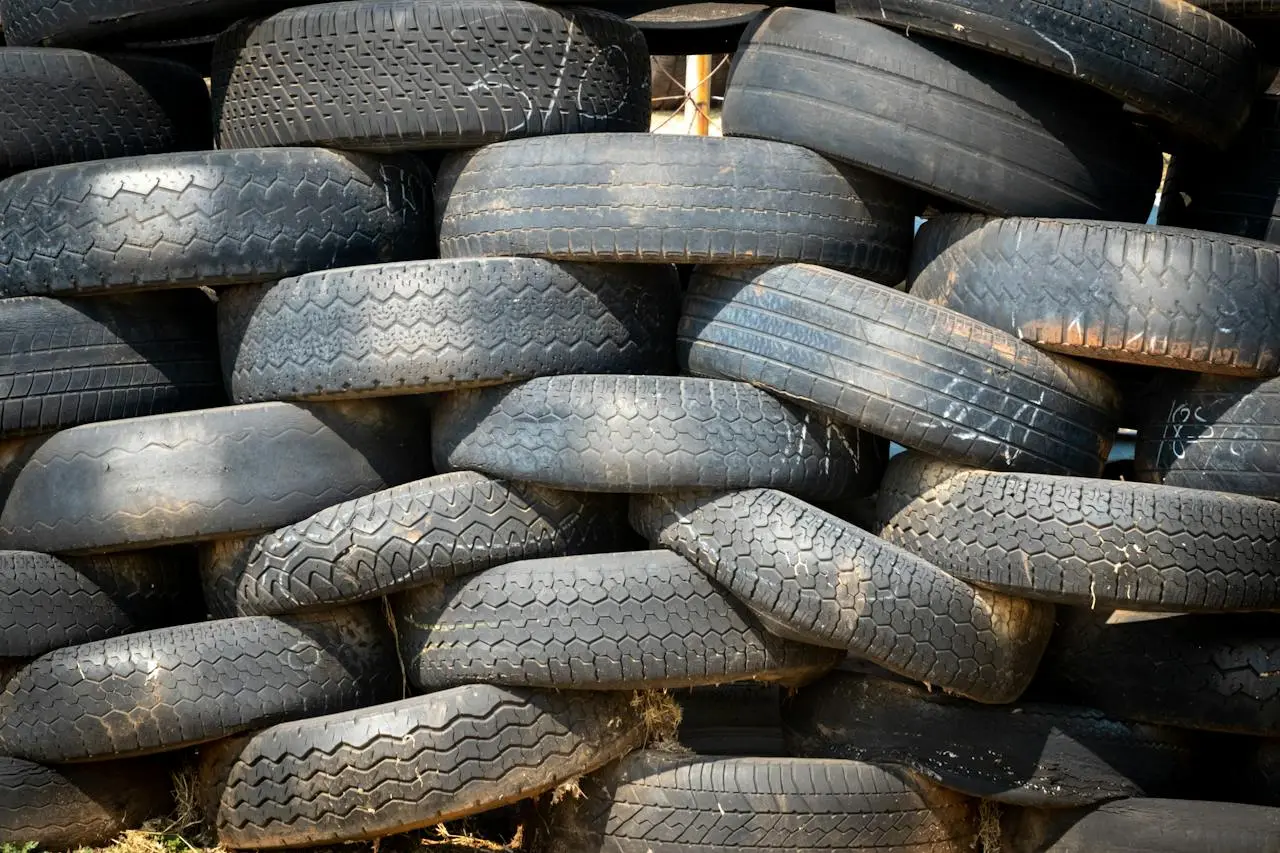
New research from Yale University has underscored the significant contribution of tire wear to air pollution. The study provides further evidence that as tires degrade on road surfaces, they release particles into the atmosphere, impacting air quality in urban environments.
Tire Particles and Air Quality
The findings from Yale add to a growing body of evidence suggesting that particulate matter from vehicle tires is a substantial environmental concern. These particles, often microscopic, can remain suspended in the air and be inhaled by residents, posing potential health risks. The study specifically points to the wear and tear of tires as a direct source of these airborne pollutants, a factor often overlooked in broader discussions about vehicle emissions.
Understanding the sources of air pollution is critical for developing effective mitigation strategies in cities. While much attention has been focused on tailpipe emissions, the contribution of non-exhaust emissions, such as those from tire wear, is becoming increasingly recognized as a key challenge for urban planners and public health officials. These particles can contain a complex mix of chemicals, including heavy metals and microplastics, which have been linked to respiratory and cardiovascular issues.
Implications for Urban Policy
The identification of tire wear as a significant pollutant has several implications for urban policy and planning. It suggests that current strategies aimed at improving air quality, which often focus on reducing tailpipe emissions through vehicle electrification or cleaner fuel standards, may need to be broadened. Policies that encourage more sustainable tire materials, promote driving behaviours that reduce tire wear, or improve street cleaning and stormwater management to capture these particles could become more prominent.
Furthermore, the research could influence vehicle design and road maintenance practices. Manufacturers might explore more durable tire compounds, while city authorities could consider how road surfaces and maintenance schedules impact tire particle generation and dispersal.
The study by Yale University serves as a timely reminder of the multifaceted nature of urban pollution and the need for comprehensive approaches to environmental management in cities. Addressing tire wear particles will require innovative thinking and collaboration across transport, environmental, and public health sectors.
Key facts
| Aspect | Detail |
|---|---|
| Source of Pollution | Tire wear particles |
| Research Institution | Yale University |
| Environmental Impact | Contribution to air pollution |
| Policy Relevance | Need for broader air quality strategies |
This development highlights the importance of considering all sources of urban pollution, not just tailpipe emissions. The physical composition of our streets and the materials used in our vehicles have direct consequences for the air we breathe. As cities strive for cleaner environments, understanding and addressing the impact of tire wear will be an essential component of future planning.
Source: Streetsblog USA – https://usa.streetsblog.org/2026/06/04/thursdays-headlines-are-tired-of-tires
Fuente
Streetsblog USA Publicacion original: 2026-06-04T04:01:00+00:00
Related updates

Seattle-Area Race Highlights Diverging Approaches to Housing, Transit and Tech Taxation
A Washington State legislative race in the 32nd District pits incrementalism against urgency on housing supply, transit funding and tech regulation, with…
Read update
New York court ruling on sanctuary policies carries implications for city-level immigration enforcement across the US
A federal judge has dismissed the Trump administration’s attempt to override New York City’s restrictions on immigration enforcement cooperation, citing state sovereignty.…
Read update
Automated license plate readers raise privacy, contract and oversight questions for UK cities
A new US-focused analysis of automated license plate recognition cameras highlights contract, privacy and oversight issues that London boroughs and Transport for…
Read update
Oregon’s “fix it first” dilemma: what London’s transport planners can learn from a revolt against megaprojects
Surveys show Oregonians overwhelmingly want existing roads repaired before new megaprojects are funded, and trust in the state’s transport agency has collapsed.…
Read update