
Supportive Housing Data Shows Success Amidst Funding Concerns
New data from King County highlights the effectiveness of permanent supportive housing in reducing homelessness and involvement with the justice system, even as federal funding faces uncertainty.
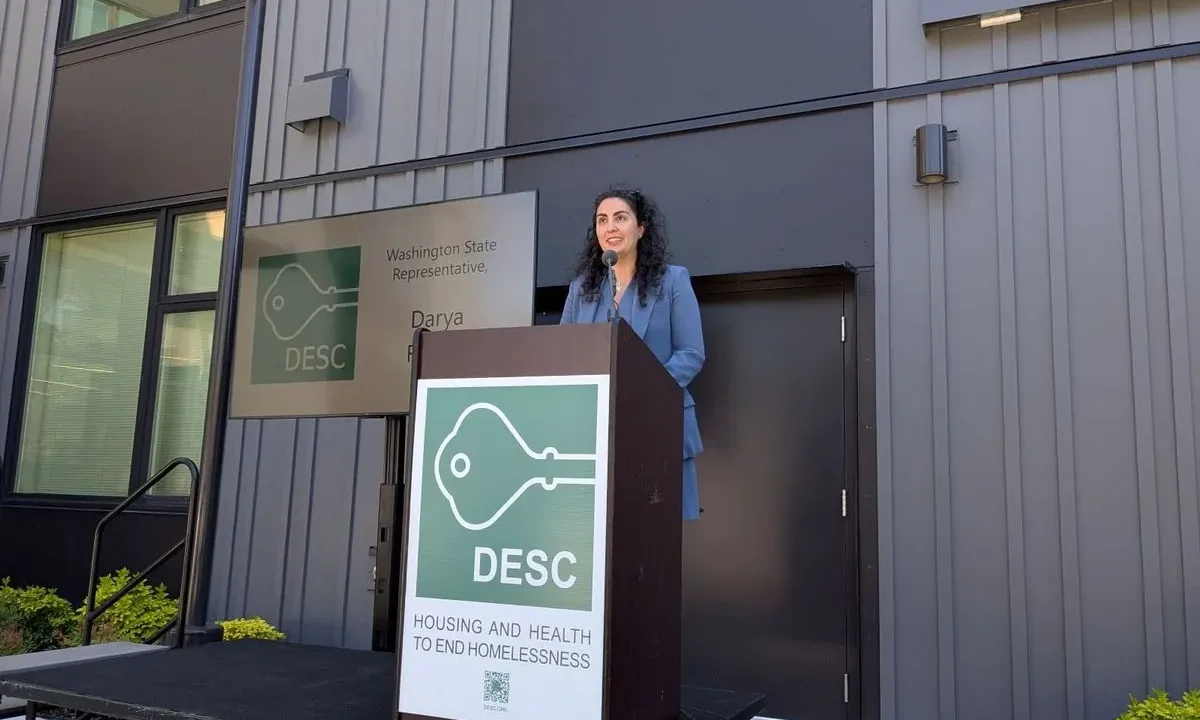
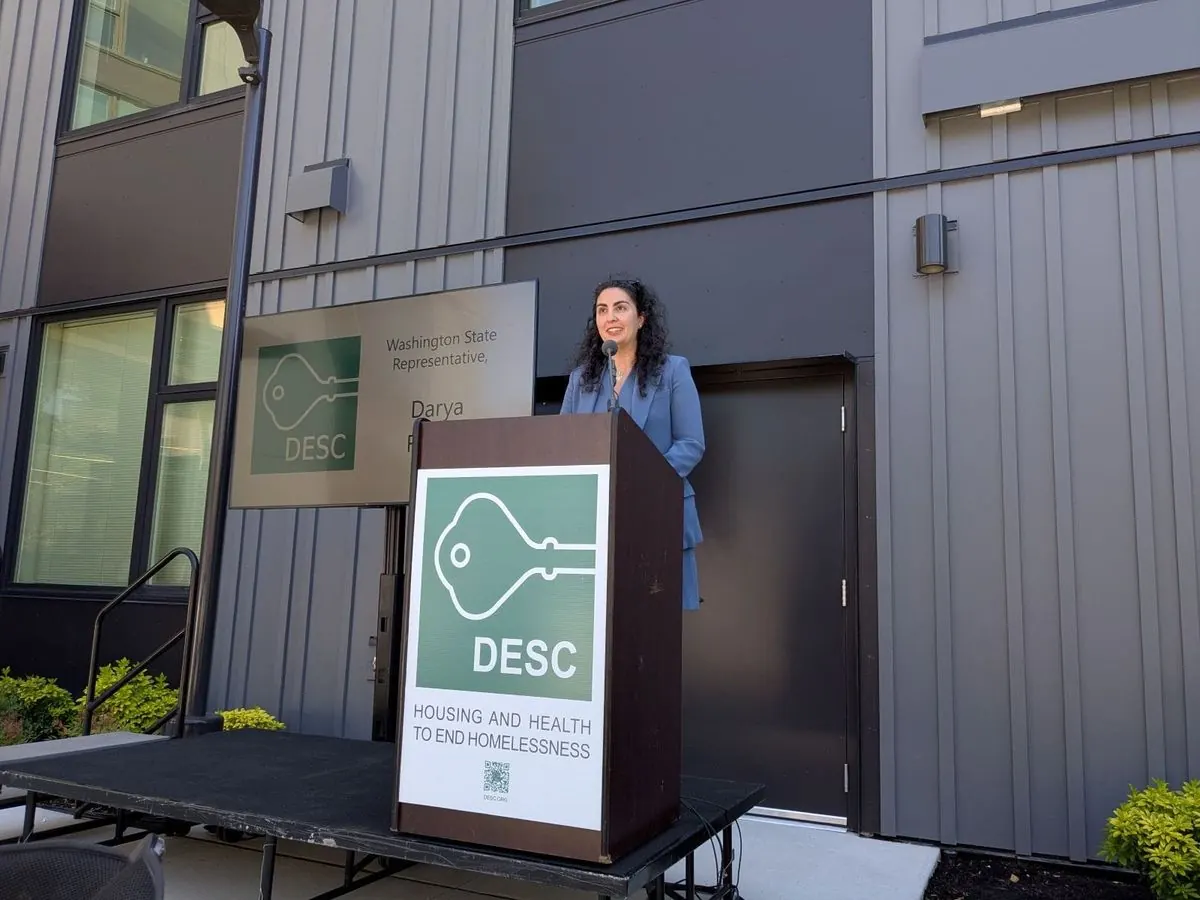
New data released by King County’s Department of Community and Human Services (DCHS) provides strong evidence for the efficacy of permanent supportive housing (PSH) in maintaining housing stability for individuals experiencing homelessness. The findings come at a critical juncture, with federal funding for such programs facing potential cuts, prompting local leaders to reaffirm their commitment to these vital services.
The Health Through Housing’s PSH program in King County has demonstrated a significant positive impact, not only in keeping individuals housed but also in reducing their engagement with the criminal justice system. Analysis of program participants revealed a substantial decrease in jail bookings: nearly 27% in the first year of enrollment and over 37% by the third year. This data directly counters arguments from some federal administrations questioning the effectiveness of the “Housing First” approach.
Birch Grove Opens Amidst Funding Uncertainty
The Downtown Emergency Service Center (DESC) recently celebrated the opening of Birch Grove, its 20th permanent supportive housing location. Situated in Lake City, Birch Grove offers 120 studio units, including 18 ADA-compliant units, and provides comprehensive wrap-around services. These services encompass behavioral health support, substance use disorder treatment, and an assigned on-site staff member for each resident to facilitate access to necessary resources.
The opening of Birch Grove was attended by prominent local officials, including Seattle Mayor Katie Wilson and U.S. Representative Pramila Jayapal. Mayor Wilson emphasized the core principle of the Housing First model, stating, “The solution to homelessness is housing. Not someday, not after every box is checked. Housing first, and with that, the support that helps people to stay.” She highlighted DESC’s impressive success rate, noting that “95% of residents at DESC remain housed after one year,” a figure she described as “one of the highest success rates anywhere in the nation.”
Mayor Wilson also addressed the threat of federal funding cuts, pledging that the City of Seattle would prioritize operating costs for supportive homes like Birch Grove. “We will not let the people who live in these buildings lose the stability that they have fought so hard to find,” she stated.
Representative Jayapal echoed this sentiment, framing homelessness as a systemic issue rather than individual failure. “We can fix it with real policies that help promote supportive services for vulnerable people,” she remarked. State Representative Darya Farivar underscored the significance of Birch Grove for the Lake City community, emphasizing that prioritizing housing for those in crisis sends a message of belonging.
Breaking the Cycle of Homelessness and Incarceration
The DCHS data analysis further illuminates the intricate link between homelessness and the criminal legal system. Individuals experiencing homelessness are disproportionately likely to face low-level offenses such as trespassing or public drug use. Conversely, those with a history in the criminal justice system often encounter housing and employment discrimination, creating a significant barrier to re-establishing stability.
The destabilizing effect of even short jail stays is well-documented. Studies indicate that a significant percentage of individuals held in jail for brief periods lose their jobs or experience material losses. Furthermore, research shows that people released from pre-trial detention are substantially more likely to become unhoused compared to those released without incarceration.
Jelani Jackson, acting director of DCHS’s Housing and Community Development division, explained that the cyclical nature of homelessness and jail involvement creates a difficult trap to escape. “Permanent supportive housing breaks that cycle by removing the primary driver, which is a lack of housing, and the amazing thing about permanent supportive housing is the support,” Jackson told The Urbanist. “When you pair housing with support services, that’s the recipe for somebody to experience recovery and start to improve their life and work on all the goals that they have.” King County Executive Girmay Zahilay reaffirmed his commitment to this approach, stating, “Every person deserves the stability of a safe place to call home. This data shows that when people have a stable place to live, they’re less likely to cycle through our jail system.”
Addressing Disparities Within PSH
While the data indicates a general reduction in jail bookings post-enrollment in PSH, the analysis also highlights existing racial disparities. Larger decreases in jail bookings were observed among White and American Indian/Alaskan Native participants. This success within Indigenous populations is partly attributed to culturally relevant services provided by organizations like the Chief Seattle Club. In contrast, Asian and Hispanic participants experienced the lowest decreases in jail bookings.
Jackson noted that while PSH does not erase pre-existing structural disparities, it effectively helps reduce overall system involvement. The cost-effectiveness of PSH is also a significant factor, presenting a more humane and economically viable solution for addressing the homelessness crisis.
Key facts
| Aspect | Detail |
|—|—|
| Program | King County’s Health Through Housing and DESC’s permanent supportive housing |
| Impact on Housing Stability | 95% of DESC residents housed after one year |
| Impact on Incarceration | Jail bookings decreased by ~27% in year 1 and >37% by year 3 for participants |
| New Development | Birch Grove (DESC) opened with 120 units in Lake City |
| Local Commitment | Seattle officials pledge to maintain funding despite federal uncertainty |
The success of permanent supportive housing in King County offers a compelling model for other urban areas grappling with homelessness. By providing stable housing coupled with essential support services, communities can effectively break cycles of instability and reduce the strain on public resources, including the justice system. The ongoing efforts to secure sustainable funding for these programs are crucial for their continued impact.
Source: The Urbanist, https://www.theurbanist.org/data-backs-up-supportive-housing-first-model-in-spite-of-federal-attacks/
Datos clave
| Punto | Detalle |
|---|---|
| Fuente | The Urbanist |
| Fecha | 2026-06-20T20:37:19+00:00 |
| Tema | Data Backs Up Supportive ‘Housing First’ Model in Spite of Federal Attacks |
Fuente
The Urbanist Publicacion original: 2026-06-20T20:37:19+00:00
Related updates

New York Poll Shows Overwhelming Bipartisan Support for Apartments Near Transit, Highlighting Contrast with London’s Own Housing Debate
A new poll from Open New York finds 79% of voters support building multi-family homes near rail stations, as the governor’s race…
Read update
Seattle City Attorney Launches New Community Court and Repeat Offender Programme Amid Public Defender Concerns
Seattle City Attorney Erika Evans has launched Connection Court, a new community court programme, alongside a punitive High-Priority Repeat Offenses system. The…
Read update
Seattle’s Centers & Corridors Zoning Update Delayed by Environmental Review Ruling
A state hearings board ruling has forced Seattle to rework the environmental impact statement for its twenty-year growth plan, pushing the next…
Read update
FEMA disaster mitigation grants freeze threatens to stall UK resilience learning, planners warn
A US Government Accountability Office report says $2.2 billion in FEMA Building Resilient Infrastructure and Communities grants remain unresolved, delaying more than…
Read update