
Speed camera privacy debate in the US holds lessons for London’s automated enforcement rollout
A US debate over surveillance and speed cameras highlights the risks of conflating traffic enforcement with mass data collection. As London expands its own camera network, the distinction matters for public trust and road safety.
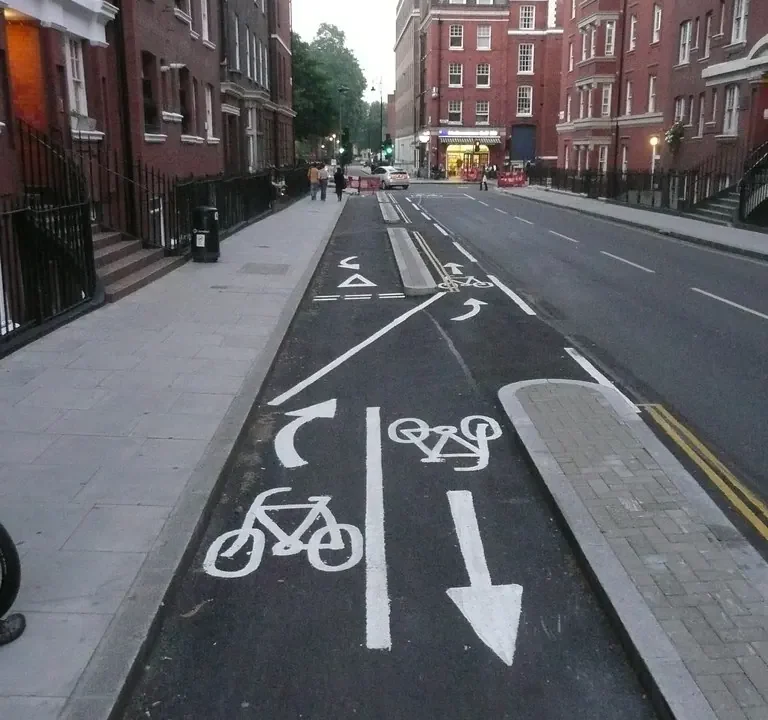
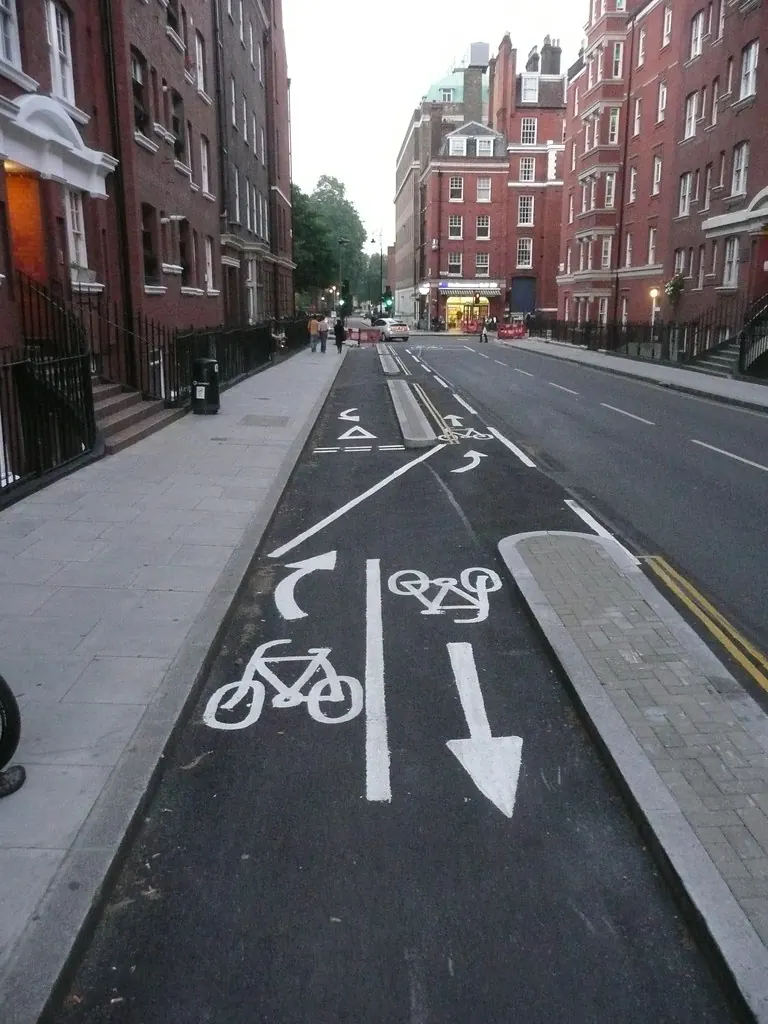
A growing debate in the United States over the distinction between traffic enforcement cameras and mass surveillance devices carries direct relevance for London, where Transport for London and several boroughs are expanding automated enforcement as part of the Vision Zero strategy to eliminate road deaths.
At the federal level, US lawmakers have proposed a bill that would outlaw speed and red-light cameras under the guise of protecting privacy. Yet the problem, as argued in Streetsblog USA, is that traffic enforcement cameras demonstrably save lives. In San Francisco, speeding dropped by 72% at locations where cameras were installed. The tension arises from conflating these targeted enforcement tools with privately operated license plate readers such as Flock devices, which capture every vehicle passing a given point and store the data indefinitely.
For London readers, the distinction is not academic. The city has one of the most extensive automated enforcement networks in Europe, with hundreds of fixed and mobile speed cameras, bus lane cameras and red-light cameras. TfL’s Vision Zero programme has committed to expanding these further, particularly on the capital’s most dangerous roads. At the same time, the Metropolitan Police and some boroughs operate automatic number plate recognition (ANPR) cameras for wider law enforcement purposes, and private companies deploy similar technology in car parks and residential schemes.
Ren Zaro Fitzgerald, writing in Streetsblog USA, argues that the increased conflation between privately operated license plate readers and standard traffic enforcement could increase public support for anti-speed enforcement bills, including those that will not rein in the surveillance devices at all. “Traffic enforcement cameras deter reckless driving by capturing specific illegal behaviours. Flock cameras watch everyone, everywhere, all of the time,” Fitzgerald writes.
The risk for London is that a similar confusion could erode public acceptance of speed and red-light cameras just when the city needs them most. According to TfL’s most recent casualty data, 101 people were killed on London’s roads in 2024, a rise from 91 the previous year. Speeding remains a factor in a significant proportion of serious collisions.
Key facts
| Element | Detail |
|---|---|
| US federal proposal | Bill to outlaw speed and red-light cameras under privacy rationale |
| San Francisco result | 72% reduction in speeding at camera locations |
| London road deaths 2024 | 101 people killed, up from 91 in 2023 |
| London enforcement type | Fixed, mobile and average-speed cameras on red routes and borough roads |
How the US debate maps onto London
The US debate centres on Flock cameras, which are automated license plate readers sold to police departments, neighbourhood associations and private operators. They record every vehicle that passes, storing plate numbers, timestamps and images in a searchable database. Traffic enforcement cameras, by contrast, are triggered only when a vehicle exceeds a speed threshold or runs a red light. They collect no data on vehicles that are not violating traffic laws.
In London, the equivalent distinction exists between TfL’s enforcement cameras and the Met’s ANPR network. TfL cameras are programmed to capture only violations, and data retention is governed by strict policies under the Data Protection Act and the Surveillance Camera Code of Practice. The Met’s ANPR cameras, used for detecting stolen vehicles, unlicensed drivers and terrorism suspects, retain data for up to two years under national guidance.
The conflation risk arises when residents see a camera on a lamppost and cannot tell which type it is, or what data it collects. A 2023 survey by the London Assembly Transport Committee found that 62% of Londoners supported speed cameras, but support dropped when respondents were told the cameras could also be used for general surveillance. The distinction matters for maintaining public trust.
What this means for London’s Vision Zero expansion
TfL and London boroughs have committed to installing more cameras on the capital’s most dangerous roads as part of the Vision Zero action plan. The 2024 update to the plan identified 22 priority junctions and corridors where enforcement is a key intervention. New average-speed camera systems have been installed on sections of the A13, A406 and A316, with further deployments planned.
The effectiveness of these cameras is well documented. TfL’s own data shows that average-speed cameras on the A13 reduced speeding by 90% and contributed to a 40% reduction in collisions resulting in death or serious injury. Similar results have been recorded on the A406 and A316.
Yet the expansion has not been without controversy. Some motoring organisations and resident groups have raised concerns about the proliferation of cameras and the potential for revenue generation rather than safety. TfL has consistently stated that camera locations are determined by collision data, not revenue, and that all income from penalty charge notices is reinvested into road safety and transport improvements.
The surveillance dimension adds a new layer of complexity. As London’s camera network grows, so does the need for clear public communication about what each type of camera does, what data it collects and how long that data is retained. Without that clarity, the privacy fears that are now threatening US enforcement programmes could take hold here.
Lessons for campaigners and policymakers
For road safety campaigners in London, the US experience offers a clear warning. If the public cannot distinguish between a speed camera that captures only violators and an ANPR camera that records every vehicle, support for enforcement could fray. That would be particularly damaging at a time when the city is struggling to reverse a rise in road deaths.
Fitzgerald’s argument is that those concerned about road safety must help ensure that people see the difference between surveillance and effective enforcement. In London, that means TfL, boroughs and the Met need to be explicit about camera types, data policies and governance. It also means resisting the temptation to combine enforcement and surveillance functions in a single device, however efficient that might appear.
The London Assembly Transport Committee has recommended that TfL publish a publicly accessible map of all enforcement cameras, including their type and purpose. TfL has committed to improving signage at camera locations and providing clearer information online. These measures help, but they are not yet universal across all 33 boroughs.
What comes next
The US bill to outlaw speed and red-light cameras has not yet passed, but its existence signals a political vulnerability that could emerge in the UK if public trust erodes. The UK government has shown no appetite for restricting camera use, and the Department for Transport continues to support automated enforcement as a proven safety intervention. But local opposition can still block or delay camera installations, as several boroughs have experienced.
For London readers, the key takeaway is that the effectiveness of speed cameras depends not only on the technology but on public acceptance. That acceptance requires transparency about what the cameras do and do not do. The US debate shows what happens when that transparency is missing.
Source: Planetizen News, “Commentary: Legitimate privacy fears undermine legitimate, life-saving speed camera programs”, https://www.planetizen.com/news/2026/08/138120-commentary-legitimate-privacy-fears-undermine-legitimate-life-saving-speed
Fuente
Planetizen News Publicacion original: 2026-08-01T12:00:00+00:00
Related updates

California’s unused dam safety powers hold lessons for London’s ageing flood infrastructure
A California audit reveals the state has never used its enforcement powers against dam owners, despite 57 dams in poor condition. As…
Read update
New York Poll Shows Overwhelming Bipartisan Support for Apartments Near Transit, Highlighting Contrast with London’s Own Housing Debate
A new poll from Open New York finds 79% of voters support building multi-family homes near rail stations, as the governor’s race…
Read update
Seattle City Attorney Launches New Community Court and Repeat Offender Programme Amid Public Defender Concerns
Seattle City Attorney Erika Evans has launched Connection Court, a new community court programme, alongside a punitive High-Priority Repeat Offenses system. The…
Read update
Seattle’s Centers & Corridors Zoning Update Delayed by Environmental Review Ruling
A state hearings board ruling has forced Seattle to rework the environmental impact statement for its twenty-year growth plan, pushing the next…
Read updateWiki relacionada

Urban Planning Terms: Density, Public Realm and Transit-Oriented Development
A living glossary for terms that appear again and again in planning and development stories.
Read update