
Sound Transit Faces Funding Crisis, Delays Light Rail to Ballard
Sound Transit's board has approved a plan to address a significant budget shortfall, leading to indefinite delays for the light rail extension to Ballard and Interbay, while prioritizing other projects.
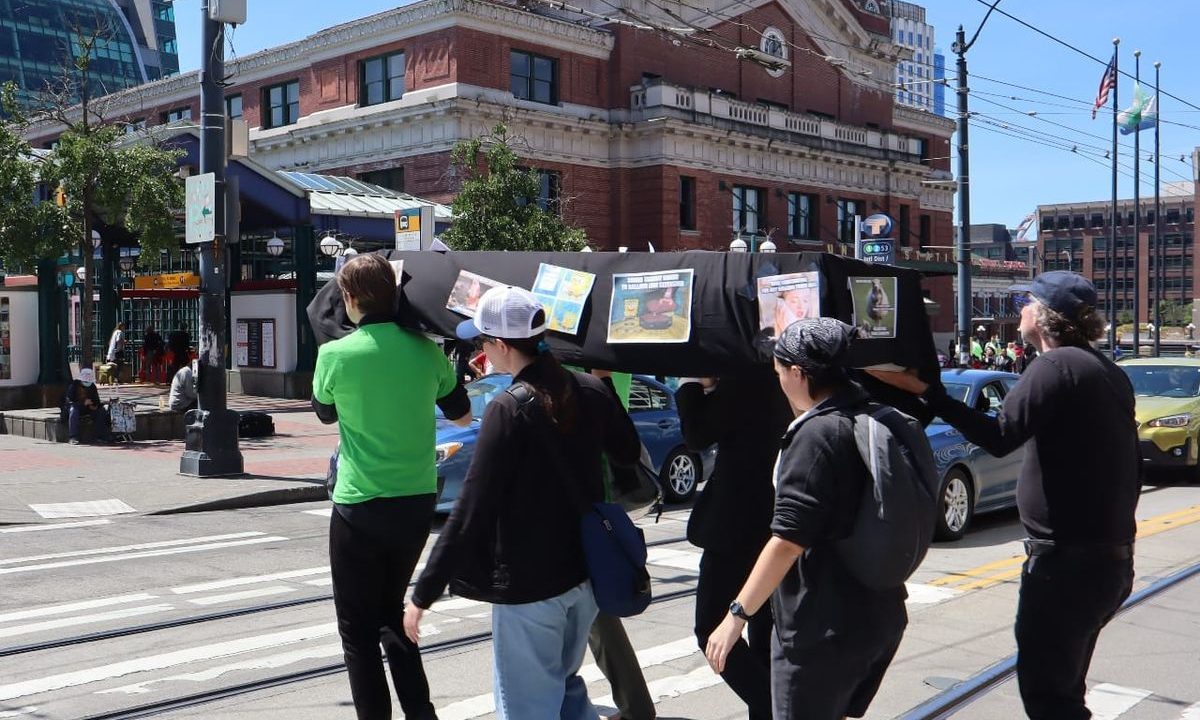
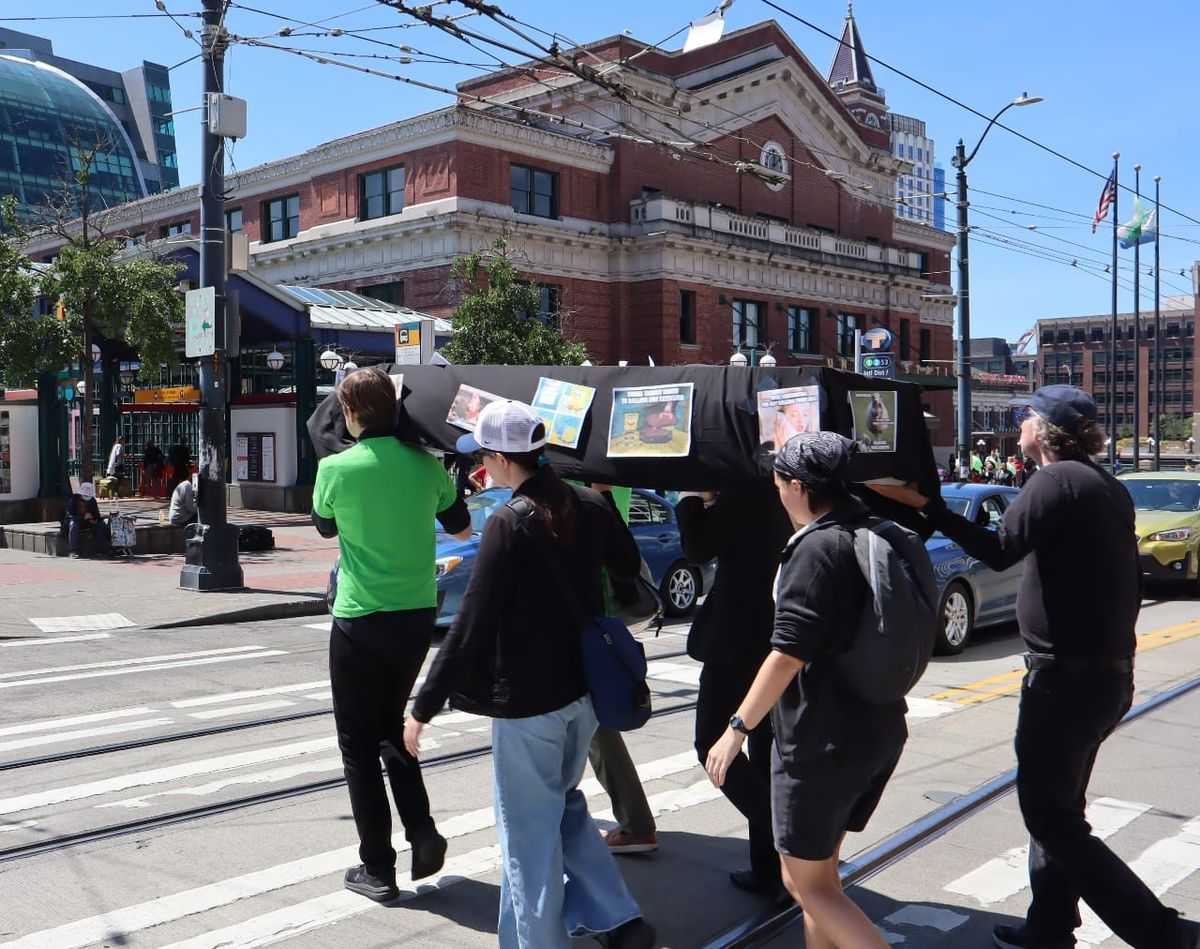
The Sound Transit Board of Directors has voted to reshape its long-term transit expansion plans, significantly delaying the highly anticipated light rail extension to Ballard and Interbay due to a substantial $35 billion budget shortfall. The decision, made last Thursday, preserves some projects while pushing others into indefinite limbo, roiling transit advocates who had been anticipating faster timelines.
The Ballard and Interbay light rail stations, along with Tukwila, are now no longer fully funded, with estimated opening dates removed. The agency has identified a funding gap of $7 billion to $9 billion specifically for the Ballard and Interbay segments. Suburban members of the board have resisted calls for a new funding measure, ST4, arguing it is premature to seek additional funds. This stance has been influenced by the prioritization of the light rail spine to Tacoma and Everett, which largely insulated Snohomish and Pierce counties from the delays affecting other subareas.
Governance Questions Emerge
The persistent cycle of crisis and recovery within Sound Transit has prompted discussions about potential board reform. King County Councilmember Claudia Balducci, who previously led the Sound Transit Board’s System Expansion Committee before her removal by Board Chair Dave Somers, suggested it might be time to discuss governance. “If we’re in this constant cycle of crisis, recovery, crisis, recovery, crisis, recovery, maybe a board full of people who are expert at transit running a transit agency and delivering transit projects would be more attuned,” Balducci stated.
Mayor’s Balancing Act
Seattle Mayor Katie Wilson navigated a complex outcome, securing the Graham Street infill station while lamenting the indefinite delay of the Ballard segment. Her efforts, alongside public mobilization, contributed to a plan that keeps the West Seattle line and a new light rail tunnel between SoDo and Seattle Center moving forward, though the 2032 opening for West Seattle Link is considered optimistic.
“When I came into office, Sound Transit was eliminating projects, searching for billions of dollars of savings, and there was not a clear pathway to [keep] things moving on key Seattle projects,” Wilson said in a statement. “After six months of public mobilization and hard work by my team and many others, today we finally have a plan to deliver Graham Street, we’re moving West Seattle forward, and the development of the regional system once again has continued momentum. This is just a start, but it’s meaningful progress.”
The City of Seattle’s pledge of $30 million in funding was crucial for the Graham Street station. However, Wilson expressed frustration over the uncertainty facing Interbay and Ballard, vowing to continue advocating for the Ballard Market Street extension. “I’m frustrated and disappointed that we have not yet been able to find a way to deliver more for people in Ballard who have been paying into the program for years and not seen enough results,” Wilson continued. “I’m pleased the Board adopted my amendment requiring us to consider additional options so we can find a better way forward, and I’m committed to keep doing the work to deliver what voters are demanding and build the damn trains all the way to Market Street so we can finish what we are starting here today.”
Key facts
| Project | Original Target | Current Target | Status |
|————————|—————–|—————-|———————|
| Ballard Link | 2035 | Indefinite | Indefinite delay |
| West Seattle Link | 2030 | 2032 | 2-3 years behind |
| Seattle Center Link | 2035 | 2039 | Uncertain |
| Everett Link | 2036 | 2041 | OK |
Limited Options for Ballard
The board did approve an amendment setting an August deadline for staff to provide an estimated delivery date range for the Ballard light rail. Sound Transit staff have previously indicated that a reliable timeline would not be possible until 2029, contingent on advanced planning and project baselining.
A glimmer of hope for the Ballard line emerged with the approval of an amendment to issue a Request for Information (RFI). This RFI will solicit innovative and cost-effective design approaches from external engineering firms, potentially uncovering options that significantly reduce costs and bring the Ballard line back within budget. However, these amendments are not binding, and the agency has shown a reluctance to revisit earlier decisions, particularly after a major alignment revision in 2023 that set the current delayed course for Ballard Link.
Board member Dan Strauss expressed optimism that new debt financing tools and cost-saving measures, such as reducing concrete usage, could bridge the funding gap for Ballard Link. “If we change our debt limits, we get our 75-year bond, we start pre-casting our concrete rather than casting in place, and we make important revisions to how much concrete we’re using, we’re going to close that gap,” Strauss stated, referring to the $7 billion to $9 billion deficit.
Advocates Push for Change
Despite these potential avenues, many transit advocates found the assurances insufficient. The vote spurred renewed calls for overhauling Sound Transit’s board structure, potentially professionalizing board membership into full-time positions rather than part-time roles for elected officials. Transit advocate Day-Z Gould-Wong was among those articulating a strong message: “Hypothetically, if we the people found this board to be incompetent, and hypothetically if we the people…”
Source: The Urbanist – https://www.theurbanist.org/sound-transits-murky-path-to-ballard-st4/
Key facts
| Point | Detail |
|---|---|
| Source | The Urbanist |
| Date | 2026-06-03T23:00:55+00:00 |
| Topic | Sound Transit’s Murky Path to Ballard, with Regionwide ST4 Hopes Dim |
Fuente
The Urbanist Publicacion original: 2026-06-03T23:00:55+00:00
Related updates
Seattle-Area Race Highlights Diverging Approaches to Housing, Transit and Tech Taxation
A Washington State legislative race in the 32nd District pits incrementalism against urgency on housing supply, transit funding and tech regulation, with…
Read update
New York court ruling on sanctuary policies carries implications for city-level immigration enforcement across the US
A federal judge has dismissed the Trump administration’s attempt to override New York City’s restrictions on immigration enforcement cooperation, citing state sovereignty.…
Read update
Automated license plate readers raise privacy, contract and oversight questions for UK cities
A new US-focused analysis of automated license plate recognition cameras highlights contract, privacy and oversight issues that London boroughs and Transport for…
Read update
Oregon’s “fix it first” dilemma: what London’s transport planners can learn from a revolt against megaprojects
Surveys show Oregonians overwhelmingly want existing roads repaired before new megaprojects are funded, and trust in the state’s transport agency has collapsed.…
Read updateWiki relacionada
Urban Planning Terms: Density, Public Realm and Transit-Oriented Development
A living glossary for terms that appear again and again in planning and development stories.
Read update