
Seattle Growth Plan Faces Significant Delays After Court Ruling
A Washington Court of Appeals decision has halted the next phase of Seattle's growth strategy, impacting planned zoning changes for new neighbourhoods and transit corridors.
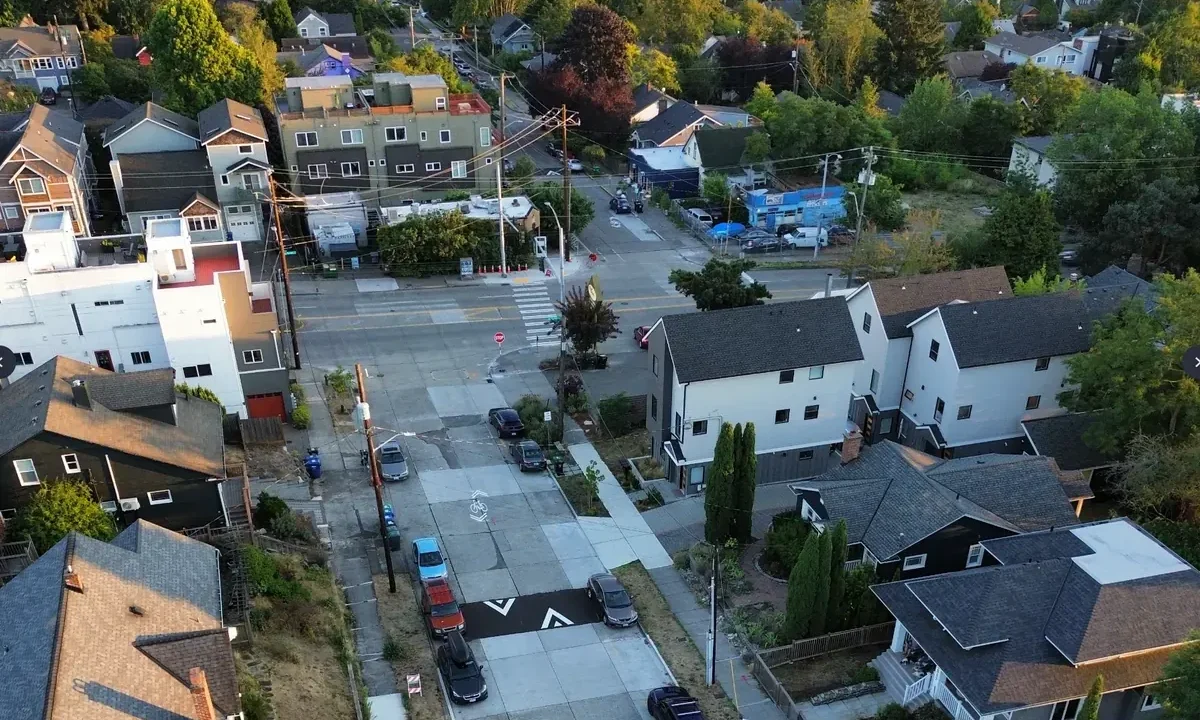
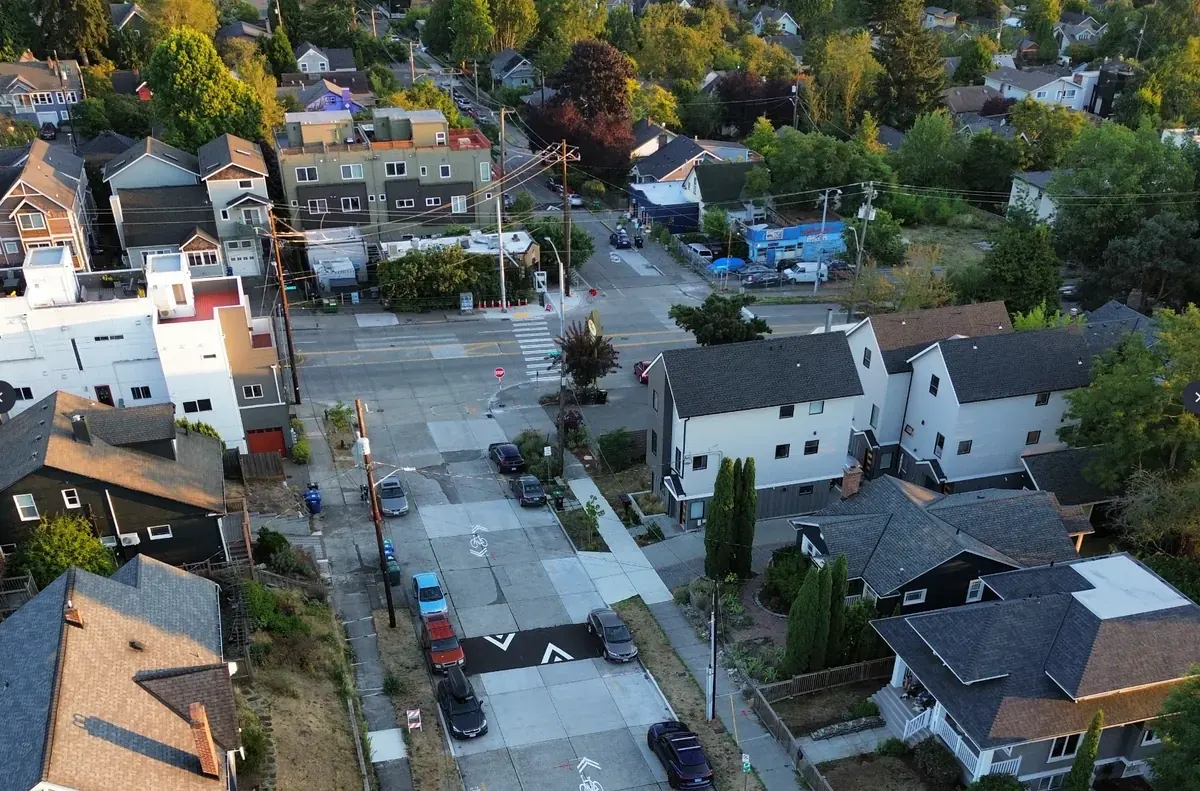
Seattle’s ambitious growth plan, designed to increase housing density and create new urban centres, is facing substantial delays due to a recent ruling by the Washington Court of Appeals. The decision impacts the “Centers and Corridors” phase of the “One Seattle Plan,” potentially pushing its implementation back to late 2026 or early 2027, or even later.
Phase Two of the plan, which includes the establishment of 30 new “neighborhood centers” and upzones along high-frequency bus corridors, was already on a deliberate timeline. Following an initial meeting in March and a public hearing in April, further council discussions were planned. However, the court’s June 1 ruling has put these considerations on hold.
Por que importa
The delay stems from appeals filed against the plan’s environmental review under the State Environmental Policy Act (SEPA). A three-judge panel found that these appeals were improperly dismissed at earlier stages, affirming a loophole in a state law that was previously thought to exempt zoning changes allowing more housing from SEPA review. The court determined that while final actions might be exempt, procedural motions like the issuing of a final environmental impact statement (FEIS) are not, thereby opening the door to legal challenges.
Eddie Lin, chair of the Seattle City Council’s Land Use Committee, acknowledged the significant impact of the ruling. “Our phase 2 Centers and Corridors will be significantly delayed due to ongoing SEPA appeals and a recent Court of Appeals decision,” Lin stated. “Some members of the public were already aware that that was the likely impact, but [I] just want to acknowledge reality that this is the impact from these appeals.”
Contexto
The appeals were originally filed by Mount Baker lawyer John M. Cary, representing the group “Friends of Ravenna Cowen,” and conservation advocate Jennifer Godfrey. Godfrey’s challenge, dubbed the “orca appeal,” is supported by conservation groups like Birds Connect Seattle, the Orca Conservancy, and the American Cetacean Society, Puget Sound Chapter. Their primary contention is that the city failed to adequately assess the impact of increased housing types on the city’s stormwater system and its tree canopy. Cary’s appeal raises concerns about the city’s review process, specifically regarding the impact on historic homes and traffic congestion.
Following a 30-day appeal period, the cases are set to be remanded to King County Superior Court, likely followed by a further remand to the City of Seattle hearing examiner. It is anticipated that the hearing examiner will hear the cases on their merits, requiring city officials to defend the environmental review conducted for the One Seattle Plan. Any final council action or amendments to the zoning changes cannot occur until a definitive ruling is made. A finding that the FEIS is deficient could lead to even more protracted delays. City analysis suggests the hearing examiner process typically takes around 151 days, which would push proceedings into December. However, if additional work is required on the FEIS by the city’s Office of Planning and Community Development (OPCD), the appeal could extend significantly beyond this timeframe.
In response to the ongoing challenges posed by such appeals, the city council is currently considering legislation aimed at limiting the ability for SEPA appeals to be heard at the city level, effectively raising the bar for future filings. While this bill comes too late to prevent the current delay for the One Seattle Plan, it could potentially streamline future zoning changes if implemented earlier.
This proposed legislation has drawn criticism from groups who have historically used city-level appeals to slow down zoning changes, often by utilizing a low $85 filing fee. The Wallingford Community Council, which previously appealed zoning changes for the city’s Mandatory Housing Affordability program, has voiced opposition. Sandy Shettler, a representative from Tree Action Seattle, argued against such limitations, stating that “Seattle averages only 2.7 appeals per year. Removing the public’s right to appeal all environmental legislation because of 2.7 annual appeals is throwing the baby out with the bathwater.” Shettler emphasized the importance of public participation in democratic processes, even if it impacts efficiency.
Conversely, critics of what they term “predatory delay” see the relatively small number of appeals as justification for aligning Seattle’s regulations with cities like Bellevue and Tacoma, which do not allow SEPA appeals to their hearing examiner.
The delays to the “Centers and Corridors” phase mean that Seattle Mayor Katie Wilson’s administration is moving forward with its own zoning priorities under the “Taller Denser Faster” Plan. This new proposal is in its nascent stages, with a potential adoption date tentatively set for late 2027. The future path of the two current appeals remains uncertain, with a final ruling expected to dictate the ultimate timeline for Seattle’s growth strategy.
Key facts
| Aspect | Detail |
|—|—|
| Ruling Body | Washington Court of Appeals |
| Affected Plan Phase | Centers and Corridors (Phase 2 of One Seattle Plan) |
| Reason for Delay | Appeals against SEPA environmental review |
| Potential Implementation | Late 2026 or early 2027, possibly later |
| Key Contentions | Impact on stormwater, tree canopy, historic homes, traffic congestion |
The court’s decision highlights the complex interplay between environmental review processes, legal challenges, and urban development goals. For Seattle, it means a considerable pause in efforts to increase housing supply and shape future urban growth, potentially impacting the city’s ability to meet housing targets and address affordability concerns. The ongoing legislative efforts to reform the appeals process underscore the tension between facilitating development and ensuring robust public and environmental scrutiny.
Source: The Urbanist, https://www.theurbanist.org/court-of-appeals-ruling-pushes-out-next-phase-of-seattles-growth-plan-significantly/
Datos clave
| Punto | Detalle |
|---|---|
| Fuente | The Urbanist |
| Fecha | 2026-06-17T23:58:16+00:00 |
| Tema | Court of Appeals Ruling Pushes Out Next Phase of Seattle's Growth Plan 'Significantly' |
Fuente
The Urbanist Publicacion original: 2026-06-17T23:58:16+00:00
Related updates

Seattle-Area Race Highlights Diverging Approaches to Housing, Transit and Tech Taxation
A Washington State legislative race in the 32nd District pits incrementalism against urgency on housing supply, transit funding and tech regulation, with…
Read update
New York court ruling on sanctuary policies carries implications for city-level immigration enforcement across the US
A federal judge has dismissed the Trump administration’s attempt to override New York City’s restrictions on immigration enforcement cooperation, citing state sovereignty.…
Read update
Automated license plate readers raise privacy, contract and oversight questions for UK cities
A new US-focused analysis of automated license plate recognition cameras highlights contract, privacy and oversight issues that London boroughs and Transport for…
Read update
Oregon’s “fix it first” dilemma: what London’s transport planners can learn from a revolt against megaprojects
Surveys show Oregonians overwhelmingly want existing roads repaired before new megaprojects are funded, and trust in the state’s transport agency has collapsed.…
Read updateWiki relacionada

Urban Planning Terms: Density, Public Realm and Transit-Oriented Development
A living glossary for terms that appear again and again in planning and development stories.
Read update