
Seattle Considers Data Centre Moratorium Amidst Public Opposition
The Seattle City Council is debating a one-year moratorium on new data centres, driven by significant public concern over their environmental impact and strain on city resources.
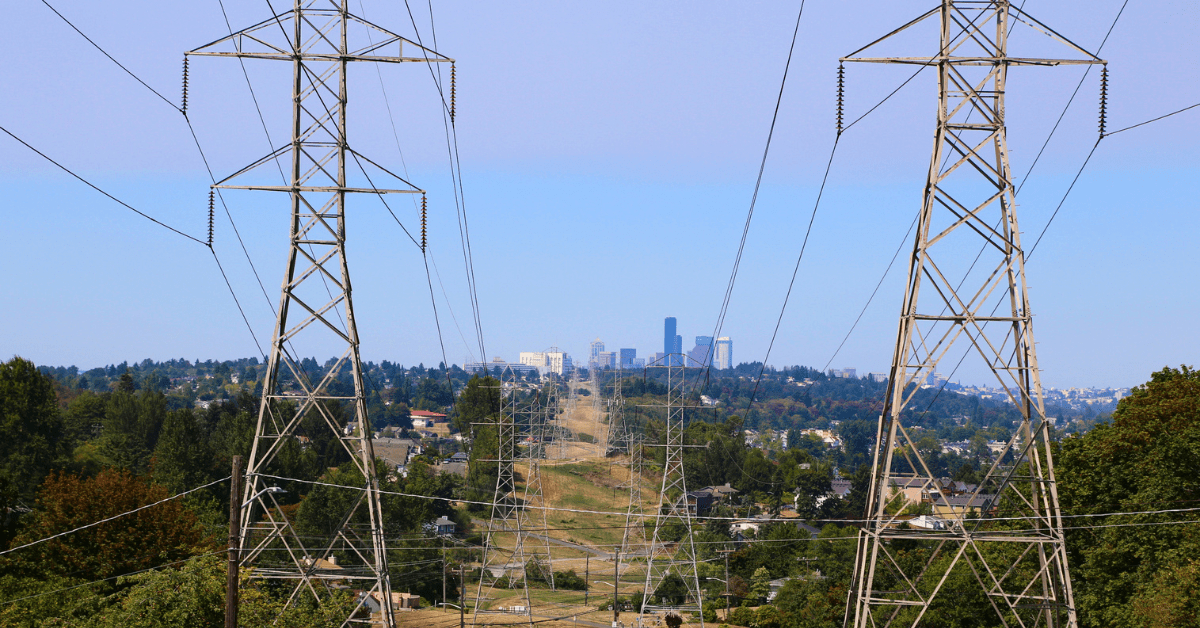
Seattle is at a crossroads regarding the rapid expansion of data centres, with the City Council considering a one-year moratorium on new facilities. This move comes in response to a significant public backlash driven by concerns over the environmental impact, strain on the city’s electrical grid, and the broader implications of artificial intelligence (AI) development.
The debate was ignited in April when reports surfaced of four companies seeking to build five mega data centres within Seattle City Light’s service area. While Seattle already hosts approximately 30 data centres, these proposed facilities would be substantially larger and more energy-intensive than existing ones. Although two companies have since withdrawn plans for two data centres, Equinix and Prologis are still pursuing three projects, with two slated for the SoDo neighbourhood and one in Tukwila.
Community Mobilisation
For months, a coalition of community groups, including climate justice organisation 350 Seattle, Troublemakers, and the Seattle chapter of the Democratic Socialists of America (Seattle DSA), have been raising awareness about the proliferation of data centres and AI. These groups organised community panels and supported local efforts to oppose data centre developments across Washington state.
Following the news of the new mega data centres, these organisations launched a call to action, urging residents to contact Seattle Mayor Katie Wilson and the City Council. The campaign has seen an overwhelming response, with Ben Jones, Communications and Digital Director of 350 Seattle, reporting that over 93,000 emails had been sent to city leaders by mid-May. This surge in public engagement prompted Mayor Wilson to issue a statement acknowledging the “understandably intense public alarm” and suggesting the possibility of a moratorium.
Council’s Response
In response to the growing public concern and the potential impact on city infrastructure, Seattle City Councilmembers Eddie Lin and Debora Juarez, along with Council President Joy Hollingsworth, have begun spearheading legislation for a one-year moratorium. They are also proposing a resolution to develop comprehensive policies around data centres, including exploring a new rate class for large data centre customers with Seattle City Light.
The council members have framed the moratorium as a necessary pause to allow for thoughtful policy development in a rapidly evolving and largely unregulated sector. “We’re looking at a month until the full moratorium goes into effect,” Jones told The Urbanist, highlighting the council’s responsiveness to community input.
Concerns Beyond AI
The proposed moratorium reflects a broader national trend of increasing skepticism towards big tech’s expansion and the unchecked growth of AI. While council members have emphasised that they are not anti-AI, they are seeking to ensure that Seattle develops these technologies responsibly. Councilmember Debora Juarez noted the importance of balancing innovation with community well-being, stating, “I’m guessing that this city council wouldn’t want business to think that we are not interested in AI, and that we would not want to have some type of leadership in this technology and innovation.”
The backlash against AI and the associated infrastructure, like data centres, stems from a growing awareness of its potential negative consequences, which proponents often downplay. A report by The Wall Street Journal indicated that local opposition had blocked or delayed at least 48 data centre projects nationwide in the past year.
Public Opinion and Data Centre Impacts
Public sentiment appears to be shifting. A Gallup poll in March found that seven in 10 Americans oppose constructing data centres for AI in their communities. Furthermore, a May Economist/YouGov poll revealed that 71% of respondents believe AI is “moving too fast,” and 63% think AI is unlikely to create widespread economic benefits.
“Overwhelmingly, people feel like these are just a gift for the rich and don’t see any benefit for themselves,” Jones explained. “They just hear ‘data centres’ and they think, great, this will only hurt me.”
Evan Sutton, who organises with Troublemakers, views the moratorium as a positive step. While his personal preference would be a complete halt to hyper-scale data centres, he acknowledges the practicalities and sees the moratorium as a significant win if it leads to strong regulatory standards.
Community members have voiced specific concerns at city council committee meetings, including the potential for data centres to:
- Impose substantial capital improvements on the electrical grid.
- Consume large quantities of water resources.
- Occupy significant amounts of commercial and industrial space.
- Impact employment through boom-and-bust automation cycles.
- Affect public health through noise, light, water, and air pollution.
- Exacerbate mental health issues and job displacement.
The strain on the electricity supply is a primary concern, particularly in the context of the climate crisis and efforts to transition away from fossil fuels. The phrase “Move fast and break things,” often associated with the tech industry, is being met with resistance as communities strive to protect critical infrastructure.
Key facts
| Aspect | Details |
|---|---|
| Proposed Action | One-year moratorium on new data centres |
| Key Concerns | Energy consumption, infrastructure strain, water use, pollution, economic impact, public health |
| Driving Force | Public opposition, community organising, environmental activism |
| Involved City Bodies | Seattle City Council, Mayor’s Office, Seattle City Light |
| Public Engagement | Over 93,000 emails sent to city leaders |
The proposed moratorium in Seattle highlights a growing tension between technological advancement and community well-being. As cities grapple with the complex challenges posed by data centres and AI, the Seattle experience serves as a case study in how public advocacy can influence urban policy and shape the future of development. The city’s decision will be closely watched as a potential model for other urban areas facing similar pressures.
Source: The Urbanist (https://www.theurbanist.org/seattle-advances-data-center-moratorium-amid-public-backlash/)
Fuente
The Urbanist Publicacion original: 2026-05-26T13:00:46+00:00
Related updates

New York court ruling on sanctuary policies carries implications for city-level immigration enforcement across the US
A federal judge has dismissed the Trump administration’s attempt to override New York City’s restrictions on immigration enforcement cooperation, citing state sovereignty.…
Read update
Automated license plate readers raise privacy, contract and oversight questions for UK cities
A new US-focused analysis of automated license plate recognition cameras highlights contract, privacy and oversight issues that London boroughs and Transport for…
Read update
Oregon’s “fix it first” dilemma: what London’s transport planners can learn from a revolt against megaprojects
Surveys show Oregonians overwhelmingly want existing roads repaired before new megaprojects are funded, and trust in the state’s transport agency has collapsed.…
Read update
California’s $11.25 billion housing bond: What London planners can learn from Proposition 1
California voters are deciding on an $11.25 billion general obligation bond to fund affordable housing. As London grapples with its own stalled…
Read update