
Seattle Updates Climate Plan Amidst Urgency for Action
Seattle is undertaking a comprehensive update of its 13-year-old Climate Action Plan, seeking to accelerate emissions reductions and build resilience to climate impacts.
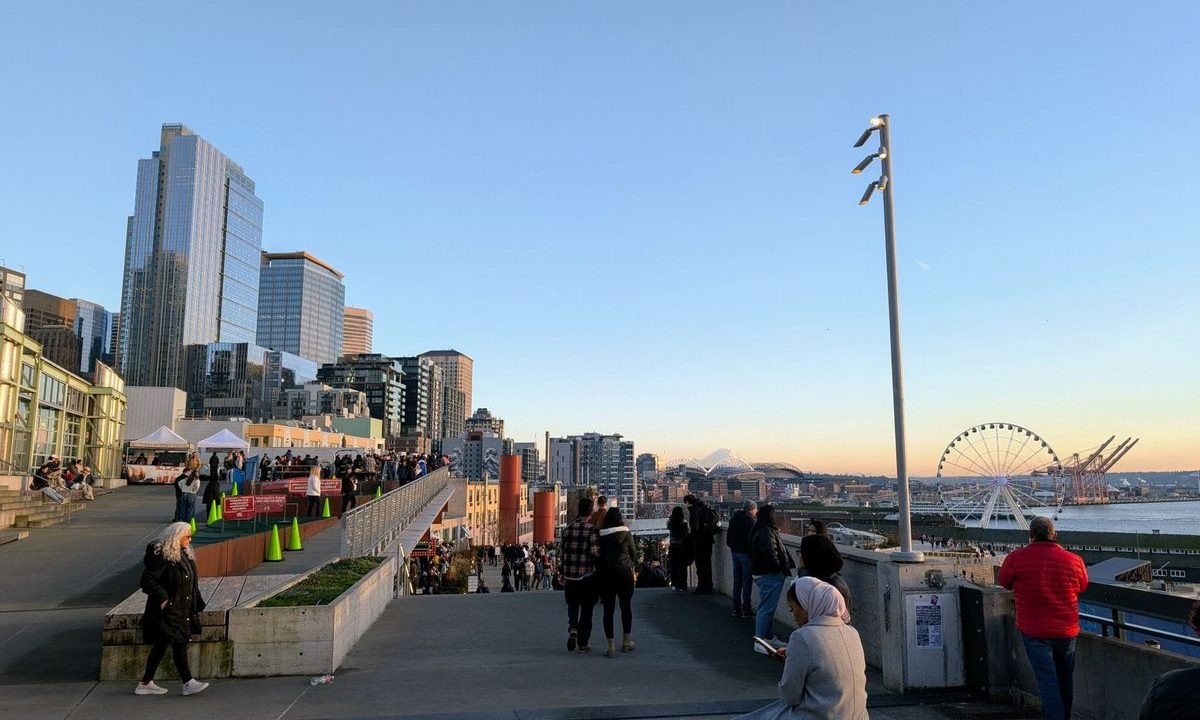
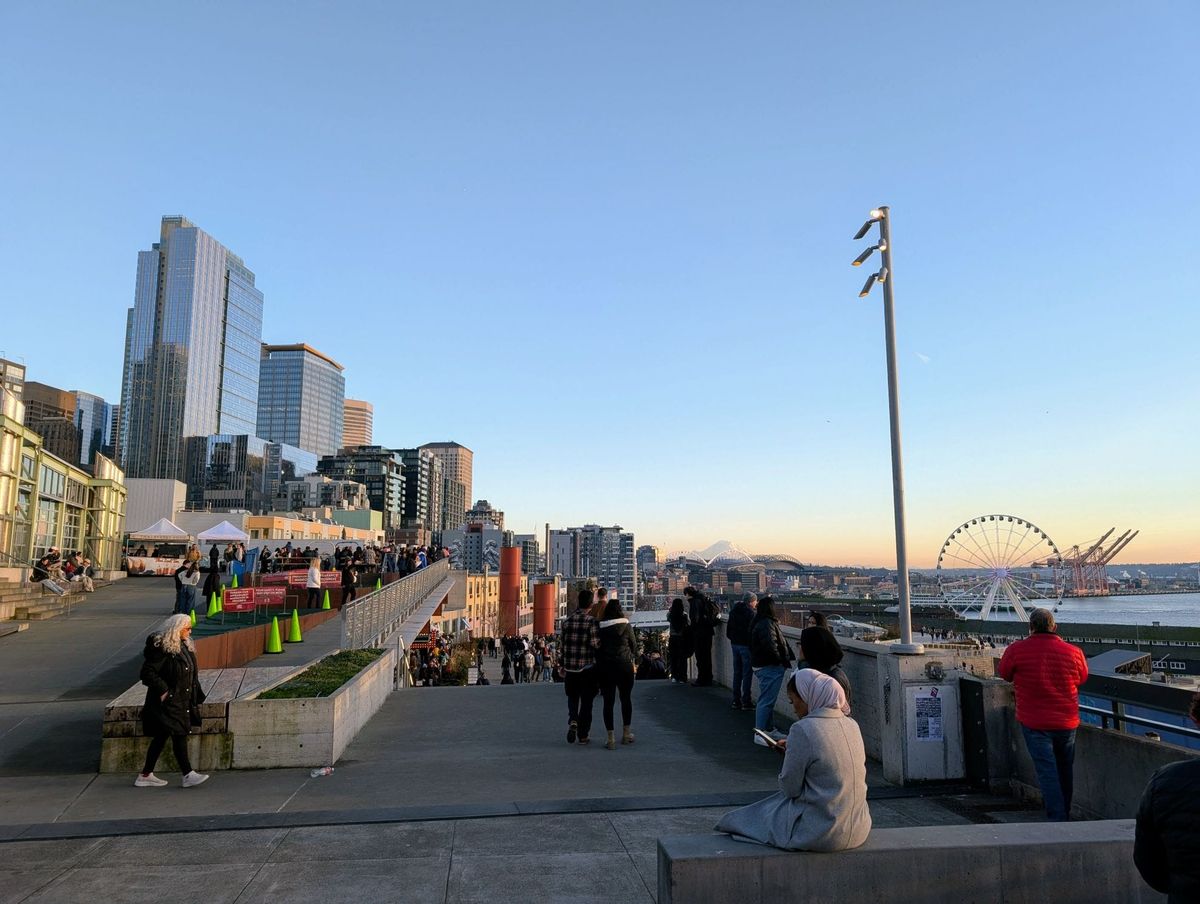
Seattle is embarking on a significant update of its Climate Action Plan, a process not undertaken in 13 years, as the city grapples with the escalating impacts of climate change and the urgent need to meet global emissions reduction targets. The initiative, driven by an executive order from former Mayor Bruce Harrell, aims to bolster the city’s efforts in reducing greenhouse gas emissions, fostering a green economy, modernizing climate planning, and enhancing resilience to climate impacts.
A Citywide Effort
The update process is a broad, cross-departmental undertaking. Narita Ghumman, program manager for Seattle’s Office of Sustainability and the Environment (OSE), described the approach as “thinking bold, transformational types of actions.” The effort began in December with the convening of subject matter experts from 17 city departments. This expansion includes not only traditional players like OSE, Seattle City Light, the Seattle Department of Transportation (SDOT), and the Department of Construction and Inspection, but also departments like Seattle Fire and the Office of Immigrant and Refugee Affairs, recognizing the intersectional nature of climate challenges.
Ani Krishnan, OSE’s climate data and policy manager, highlighted the importance of identifying existing work and creating connections between ongoing projects. Examples include SDOT’s Transit Master Plan, Seattle City Light’s grid modernization and transportation electrification plans, and OSE’s Duwamish Valley Action Plan.
Key Facts
| Aspect | Detail |
|---|---|
| Plan Update Focus | Emissions reduction, green economy, resilience, adaptation |
| Previous Plan Release | 2013 |
| Current Emission Target | 58% reduction by the end of the decade (from 2013 plan) |
| Key Polluting Sector | Transportation |
| Community Engagement | Surveys, community assemblies, partner forums |
Addressing Transportation Emissions
Transportation remains Seattle’s largest source of climate pollution, making policy shifts in this sector critical for success. The city is working to move away from fossil fuel-dependent cars and increase the use of public transit. While progress has been made, Seattle is still falling short of its targets for transitioning to cleaner transportation options.
Community Engagement and Power Redistribution
A core component of the updated plan is robust community engagement. OSE is working with local organizations to facilitate community assemblies designed to gather targeted input from diverse demographics. These efforts aim to go beyond simple comment collection, with organizers striving to create actionable outcomes.
The MLK County Labor Council is engaging with trade workers, the Washington Bus Education Fund is amplifying youth voices, Rising Tides is convening local tribes and urban Indigenous people, and the Seattle Urban League is connecting with Black and brown communities on the South End. Lylianna Allala, director of OSE, described these assemblies as an “exercise in redistribution of power,” emphasizing a commitment to deep listening and not setting the agenda.
Public Survey and Future Forums
An OSE survey, launched in April, is open until the end of June to gather feedback from Seattle residents across the city. This summer, regional partner forums will bring together businesses, philanthropies, academics, environmental groups, and non-profits to explore opportunities for cross-sector collaboration on climate action.
Focus on Resilience and Adaptation
Historically, Seattle’s climate action has primarily focused on reducing emissions. The new plan marks a significant shift by incorporating a strong emphasis on resilience and adaptation to prepare for the unavoidable impacts of climate change, such as rising sea levels and extreme weather events. Experts from the University of Washington Climate Impacts Group and Public Health Seattle-King County have been brought in to educate city staff on these issues.
Source: The Urbanist – https://www.theurbanist.org/seattle-is-updating-its-climate-plan-for-first-time-in-13-years/
Fuente
The Urbanist Publicacion original: 2026-06-09T15:01:04+00:00
Related updates

Seattle-Area Race Highlights Diverging Approaches to Housing, Transit and Tech Taxation
A Washington State legislative race in the 32nd District pits incrementalism against urgency on housing supply, transit funding and tech regulation, with…
Read update
New York court ruling on sanctuary policies carries implications for city-level immigration enforcement across the US
A federal judge has dismissed the Trump administration’s attempt to override New York City’s restrictions on immigration enforcement cooperation, citing state sovereignty.…
Read update
Automated license plate readers raise privacy, contract and oversight questions for UK cities
A new US-focused analysis of automated license plate recognition cameras highlights contract, privacy and oversight issues that London boroughs and Transport for…
Read update
Oregon’s “fix it first” dilemma: what London’s transport planners can learn from a revolt against megaprojects
Surveys show Oregonians overwhelmingly want existing roads repaired before new megaprojects are funded, and trust in the state’s transport agency has collapsed.…
Read update