
Seattle-Area Race Highlights Diverging Approaches to Housing, Transit and Tech Taxation
A Washington State legislative race in the 32nd District pits incrementalism against urgency on housing supply, transit funding and tech regulation, with potential implications for urban policy across the Puget Sound region.
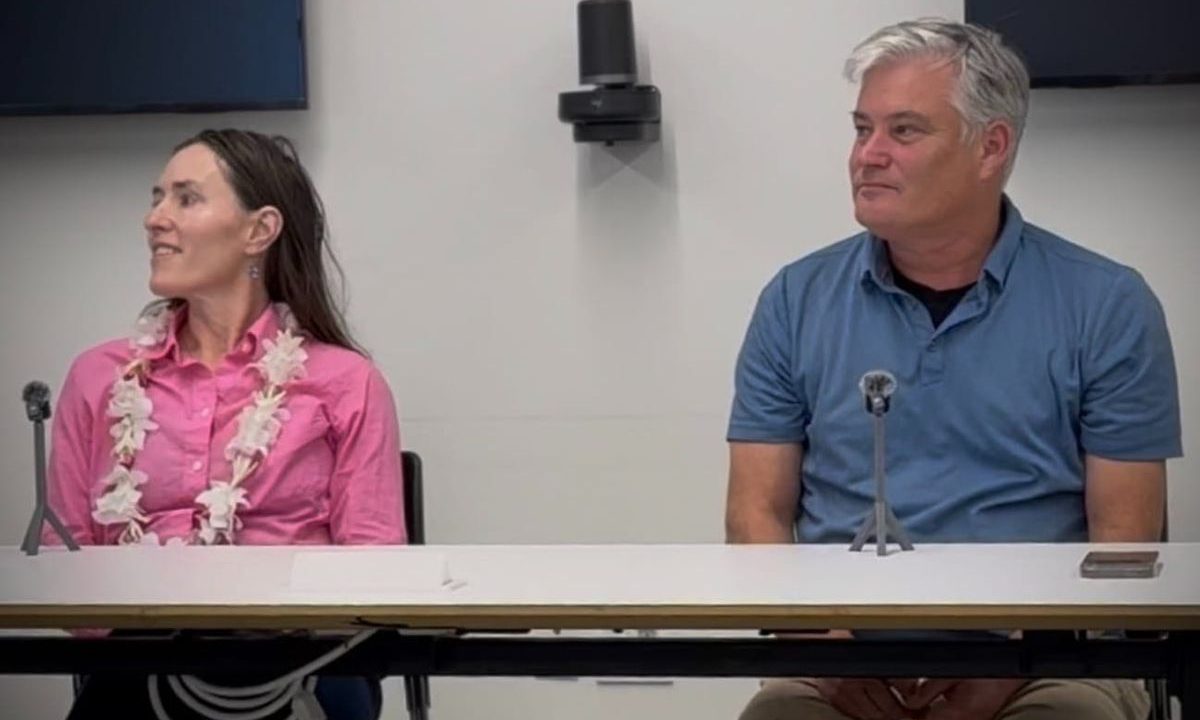
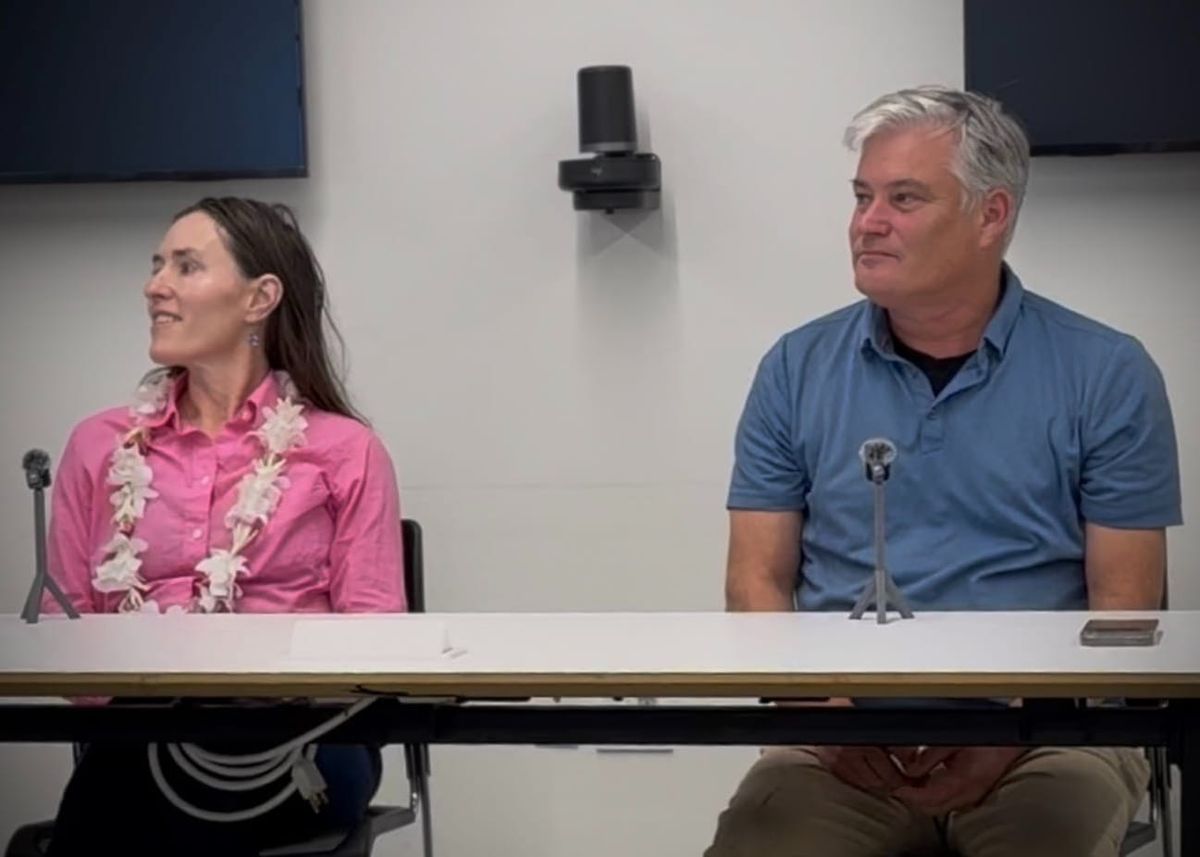
Voters in Washington State’s 32nd Legislative District, which spans from northwest Seattle through Shoreline, Mountlake Terrace, Edmonds and Lynnwood, face a choice between two Democratic candidates who agree on many urban priorities but diverge sharply on pace and method. The race for State Representative Position 1 pits longtime Shoreline city council member Keith Scully against anti-trust attorney and PTA advocate Danica Noble, and the outcome could influence how the state approaches housing supply, transit investment and technology regulation in the coming legislative session.
Both candidates name education funding as their top priority and support a Millionaires’ Tax to address Washington’s regressive tax system. Both acknowledge the homelessness crisis and favour left-aligned solutions. But at a recent candidate forum hosted by local Democrats at the Edmonds Library, the daylight between them became visible on questions of budget discipline, corporate accountability and the urgency of legislative action.
Key facts
| Fact | Detail |
|---|---|
| District | Washington’s 32nd Legislative District: northwest Seattle, Shoreline, Mountlake Terrace, Edmonds, Lynnwood |
| Candidates | Keith Scully (incumbent Shoreline city council, 10+ years) vs Danica Noble (former FTC attorney, PTA advocacy committee) |
| Seat context | Open seat; incumbent Rep. Cindy Ryu is running for state Senate |
| Key policy divergence | Scully favours incremental budget cuts and consensus tax reform; Noble calls for urgent action including an addictive algorithm tax on social media companies |
Scully’s incremental approach to housing and transit
Scully, who has served on the Shoreline City Council for over a decade, positions himself as the more centrist candidate. He told the forum that his top funding priority is balancing the state budget, which he previously proposed achieving through a 3% across-the-board cut for all state departments except education and behavioural health. At the Edmonds forum, he did not repeat that specific promise, but he defended his consensus-driven approach.
“We need advocates to be disruptive. And the electeds need to listen and decide where a disruptive measure is appropriate,” Scully said. “I’m certainly not afraid to go against the trend. I’ve been the dissenting vote on numerous things, but I don’t start from a place of destruction, because the job of an elected is to put the pieces back together.”
On tax reform, Scully argued that progressive taxation could be a bipartisan issue. He described conversations with Republican and MAGA voters who, he said, are willing to pay taxes if they trust the money will be spent wisely. He proposed lowering business and occupation (B&O) taxes on small businesses with high operating costs, such as restaurants, by charging the tax on profits rather than revenues. He also highlighted the political popularity of lowering property taxes, particularly for senior citizens on fixed incomes whose social security payments do not keep pace with rising property tax bills.
For urbanists, Scully’s approach suggests a slow, negotiated path to expanding revenue for housing programmes, transit expansion and climate resilience. His promise of ten years of consensus building to “finally” get progressive tax reform done may appeal to voters wary of rapid fiscal change, but critics on the left worry it could delay funding for affordable housing construction and transit service improvements that the district’s growing suburbs urgently need.
Noble’s urgent tech-taxation agenda
Noble, who spent two decades as an attorney at the Federal Trade Commission doing consumer protection and anti-monopoly work, most recently suing Meta for using algorithms to harm children online, made fighting big technology corporations the centrepiece of her campaign.
When asked how she would balance the state budget while fixing Washington’s regressive tax system, Noble proposed bringing in new revenue by taxing social media companies that use addictive algorithms. “That’s something I talk about at the doors all the time. And this is one of the few places you might see a difference between Keith and I,” she said. “Some of the wealthiest companies in the world have products here that they offer. They’re not gonna pull Facebook out of this state if we tax them. We need an addictive algorithm tax to incentivise those companies not to keep our kids on for one more hour.”
Noble’s campaign argues that powerful corporations are driving the affordability crisis. She described how companies collect and use consumer data to suppress wages and raise prices. “An airline will charge you more if they already know you’re going to a funeral. That is an extractive and exploitive business model,” she said. She also cited Uber’s practice of using drivers’ credit reports to determine their wages and route assignments, offering nurses in the worst financial situations 50% of the wages of other nurses.
For urban policy, Noble’s tech-taxation agenda could unlock new revenue streams for housing, transit and public services without relying on property tax increases that disproportionately affect fixed-income residents. Her background at the FTC positions her as a candidate who understands the regulatory tools available to state legislatures, and her emphasis on data privacy as a consumer protection issue could resonate with voters concerned about both affordability and digital rights.
Implications for housing, transit and urban governance
The 32nd District is a suburban-to-urban corridor that has seen significant growth pressure in recent years. Shoreline, Mountlake Terrace, Edmonds and Lynnwood are all grappling with housing affordability, transit-oriented development around Sound Transit light rail stations, and the need for more frequent and reliable bus service. The state legislature controls key funding streams for the Housing Trust Fund, transit capital projects and climate resilience programmes.
Scully’s promise of across-the-board budget cuts, even with exceptions for education and behavioural health, raises questions about whether housing and transit programmes would face reductions. A 3% cut to state departments could affect the Department of Commerce, which administers housing and community development grants, and the Washington State Department of Transportation, which funds multimodal projects.
Noble’s tech-taxation proposal, by contrast, would create a new revenue stream that could be dedicated to housing, transit or education without competing with existing budget priorities. Her emphasis on corporate accountability also aligns with growing urbanist calls for value capture from technology companies that benefit from public infrastructure and urban agglomerations.
Neither candidate has released detailed housing or transit platforms. The forum did not address specific proposals for zoning reform, transit service expansion or climate adaptation. Voters in the district will need to infer how each candidate’s broader fiscal philosophy would translate into urban policy decisions.
The race in context
The 32nd District seat is open because longtime state Representative Cindy Ryu is running to unseat Senator Jesse Salomon, a race that has attracted more media attention. The Scully-Noble contest has flown under the radar, partly because the two candidates agree on so many issues. But the forum in Edmonds revealed real differences in tone, pace and priority.
Scully’s experience as a Shoreline city council member gives him direct knowledge of local planning and development issues. Noble’s background in federal anti-trust enforcement gives her a distinctive perspective on how state-level regulation can address corporate power. For voters who care about housing supply, transit investment and climate resilience, the choice is between incremental reform through consensus and urgent action through new revenue sources.
The outcome of this race will not only determine who represents the 32nd District in Olympia, but will also signal whether Washington voters prefer the gradual, bipartisan approach that has characterised recent state housing and transit policy, or a more aggressive, regulatory strategy aimed at the technology sector.
Source: The Urbanist, “Daylight Shines Between Scully and Noble in the 32nd District,” https://www.theurbanist.org/daylight-shines-between-scully-and-noble-in-the-32nd-district/
Fuente
The Urbanist Publicacion original: 2026-10-22T17:55:43+00:00
Related updates
New York court ruling on sanctuary policies carries implications for city-level immigration enforcement across the US
A federal judge has dismissed the Trump administration’s attempt to override New York City’s restrictions on immigration enforcement cooperation, citing state sovereignty.…
Read update
Automated license plate readers raise privacy, contract and oversight questions for UK cities
A new US-focused analysis of automated license plate recognition cameras highlights contract, privacy and oversight issues that London boroughs and Transport for…
Read update
Oregon’s “fix it first” dilemma: what London’s transport planners can learn from a revolt against megaprojects
Surveys show Oregonians overwhelmingly want existing roads repaired before new megaprojects are funded, and trust in the state’s transport agency has collapsed.…
Read update
California’s $11.25 billion housing bond: What London planners can learn from Proposition 1
California voters are deciding on an $11.25 billion general obligation bond to fund affordable housing. As London grapples with its own stalled…
Read updateWiki relacionada

Urban Planning Terms: Density, Public Realm and Transit-Oriented Development
A living glossary for terms that appear again and again in planning and development stories.
Read update