
San Francisco Advances Muni Funding Measures for November Ballot
A local parcel tax and a regional sales tax measure have qualified for the November ballot, aiming to secure significant funding for San Francisco's public transit system, Muni, and potentially stave off service cuts.
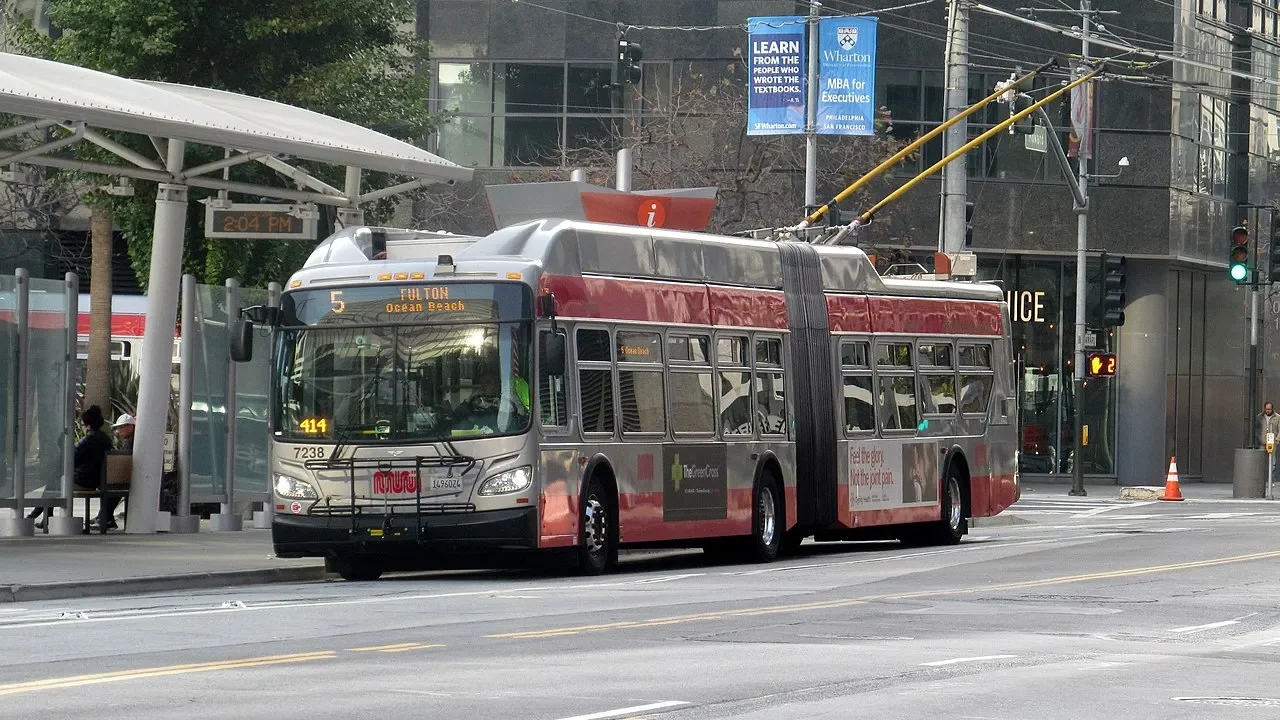
San Francisco Advances Muni Funding Measures for November Ballot
SLUG: san-francisco-muni-funding-measures-november-ballot
EXCERPT: A local parcel tax and a regional sales tax measure have qualified for the November ballot, aiming to secure significant funding for San Francisco’s public transit system, Muni, and potentially stave off service cuts.
CATEGORY: transportation
TAGS: San Francisco, Muni, public transit, funding, ballot measure, parcel tax, sales tax, transit advocacy
SEO_TITLE: San Francisco Muni Funding Measures Qualify for November Ballot
SEO_DESCRIPTION: San Francisco’s Muni is set to benefit from potential new funding streams as a local parcel tax and a regional sales tax measure have qualified for the November ballot.
MEDIA_QUERY: San Francisco Muni bus and light rail vehicles at a transit stop
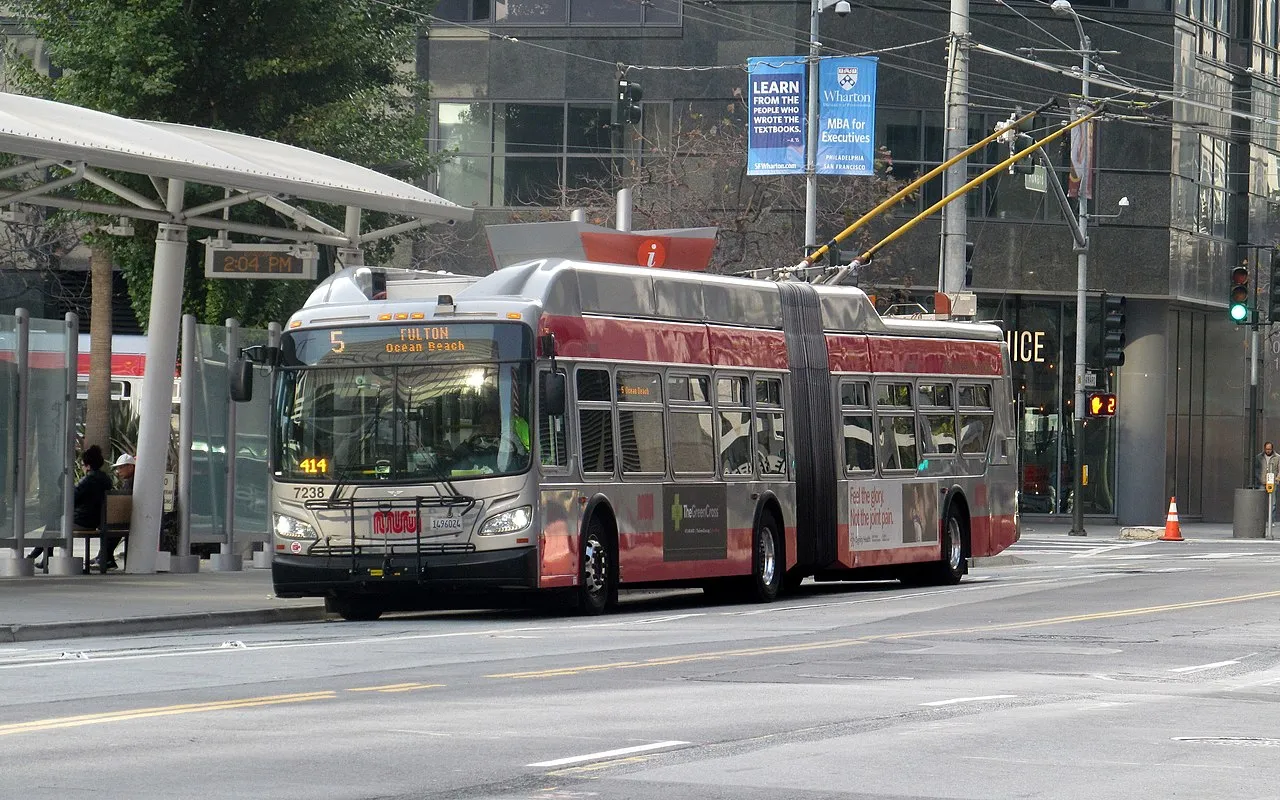
IMAGE_ALT: San Francisco Municipal Railway vehicles including a bus and a light rail train at a transit station.
San Francisco voters will consider two significant measures aimed at bolstering the funding of the Municipal Transportation Agency (Muni) in the upcoming November ballot. The “Stronger Muni for All” campaign successfully submitted 18,469 signatures, significantly exceeding the 10,600 required to qualify for the ballot. This local initiative proposes a parcel tax estimated to generate $160 million annually for Muni operations.
Alongside the local measure, a broader five-county Regional Measure has also qualified. This measure, funded through a sales tax, is projected to raise approximately $1 billion each year across all participating regional transit systems, with Muni expected to receive a substantial portion of these funds.
Mayor Daniel Lurie, who joined transit advocates in submitting the signatures, emphasized the critical role of Muni. “Muni is the lifeline that connects our city,” Lurie stated. “To keep San Francisco’s comeback on track, we need a thriving public transit system.”
The combined revenue from these two measures is intended to prevent severe service cuts and potentially enable substantial improvements to Muni’s operations and service.
Transit Advocacy and Potential Setbacks
Dylan Fabris of the San Francisco Transit Riders expressed enthusiasm for the successful signature drives. “We were excited to join the ‘Stronger Muni For All’ team this morning in their submission of the petition signatures,” Fabris said. “Volunteers fought hard to elevate Muni funding as a top priority for the city this year. Together with the regional measure, this will be a critical piece of the puzzle to make Muni whole.”
However, transit advocates are also facing potential challenges from the state level. There are concerns that the California Air Resources Board (CARB) may reduce or eliminate funding from the state’s cap-and-invest program, which currently supports important Muni initiatives.
“We are monitoring the CARB vote today, and encourage the state not to take away funding for transit, affordable housing, and clean air at the behest of Big Oil,” said Fabris. He highlighted that cap-and-invest funds critical Muni programs such as the Train Control Upgrade Project and discount fare programs for vulnerable populations, including youth, seniors, and people with disabilities. “Allowing these funds to diminish would be a dereliction of the state’s climate goals,” Fabris added.
Impact on Muni Operations
The “Stronger Muni for All” parcel tax is designed to provide a dedicated and consistent revenue stream for Muni’s day-to-day operations. This could translate into more reliable service, improved maintenance, and potentially expanded routes or frequencies.
The Regional Measure, by pooling resources across multiple counties, aims to provide a more comprehensive funding solution for the broader regional transit network, of which Muni is a significant component. This could lead to better integration and coordination between different transit agencies in the Bay Area.
The potential loss of cap-and-invest funds presents a significant risk, as these funds are often used for capital projects and essential support services that contribute to Muni’s overall functionality and climate goals. Advocates are urging state officials to maintain this funding stream, framing it as essential for both transit equity and environmental objectives.
Key facts
| Measure Type | Funding Source | Estimated Annual Revenue | Purpose |
|---|---|---|---|
| Local | Parcel Tax | $160 million | Muni operations |
| Regional | Sales Tax | $1 billion (across 5 counties) | Regional transit systems, including Muni |
The qualification of these measures represents a significant step in the ongoing effort to secure sustainable funding for San Francisco’s public transportation. The outcome of the November ballot will be crucial in determining the future service levels and operational capacity of Muni, as well as its ability to contribute to the city’s climate resilience and economic recovery. The potential impact of state-level funding decisions on these local efforts remains a key point of attention for transit stakeholders.
Fuente: Streetsblog SF (https://sf.streetsblog.org/2026/05/28/muni-funding-measure-also-qualifies-for-november-ballot)
Fuente
Streetsblog SF Publicacion original: 2026-05-28T23:13:52+00:00
Related updates

Seattle-Area Race Highlights Diverging Approaches to Housing, Transit and Tech Taxation
A Washington State legislative race in the 32nd District pits incrementalism against urgency on housing supply, transit funding and tech regulation, with…
Read update
New York court ruling on sanctuary policies carries implications for city-level immigration enforcement across the US
A federal judge has dismissed the Trump administration’s attempt to override New York City’s restrictions on immigration enforcement cooperation, citing state sovereignty.…
Read update
Automated license plate readers raise privacy, contract and oversight questions for UK cities
A new US-focused analysis of automated license plate recognition cameras highlights contract, privacy and oversight issues that London boroughs and Transport for…
Read update
Oregon’s “fix it first” dilemma: what London’s transport planners can learn from a revolt against megaprojects
Surveys show Oregonians overwhelmingly want existing roads repaired before new megaprojects are funded, and trust in the state’s transport agency has collapsed.…
Read updateWiki relacionada

Urban Planning Terms: Density, Public Realm and Transit-Oriented Development
A living glossary for terms that appear again and again in planning and development stories.
Read update