
San Francisco Disbands Bicycle Advisory Committee After 35 Years
The San Francisco Bicycle Advisory Committee (BAC) has been officially dissolved, holding its final meeting on June 17. Advocates express concern over the loss of a dedicated voice for cyclists in city planning.
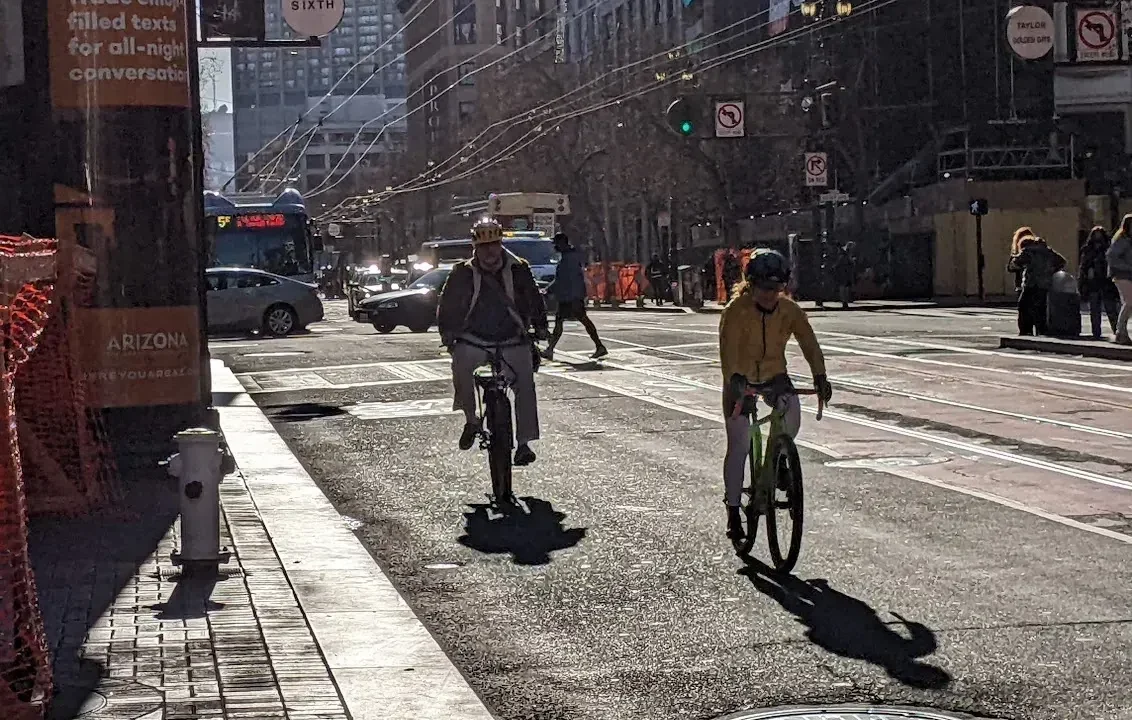
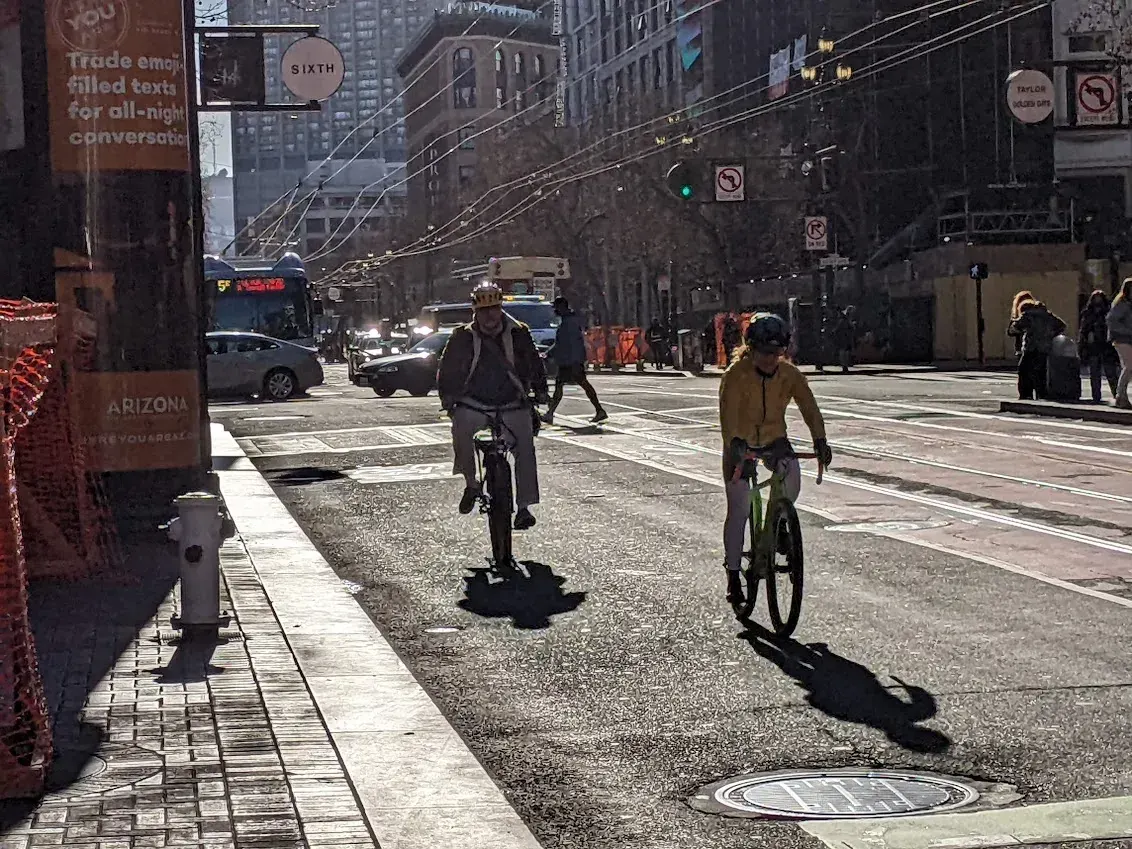
San Francisco has officially dissolved its Bicycle Advisory Committee (BAC), an advisory body that has served the city for over 35 years. The committee held its final meeting on Wednesday, June 17, marking the end of an era for cycling advocacy within city governance. The dissolution comes as part of a broader city initiative to streamline advisory bodies, though advocates fear it will diminish the influence of cyclists’ voices in urban planning and safety initiatives.
Loss of a Dedicated Voice
Brandon Powell, the outgoing chair of the BAC, expressed his disappointment. “People on bikes remain vulnerable on our streets, and we should be doing more, not less, to ensure that people feel safe moving around the city,” Powell stated. He highlighted the BAC’s historical role in ensuring that the perspectives of cyclists were heard by the Board of Supervisors and City Hall.
Christopher White of the San Francisco Bicycle Coalition echoed these sentiments, calling the dissolution “a big loss for everyone who wants efficient, sustainable transportation to be safe and accessible for all.” The coalition views the BAC as a crucial link between the cycling community and the city’s decision-making processes.
Reasons for Dissolution
The move to disband the BAC originated from the city’s “Streamlining Task Force,” established following a ballot measure passed in November 2024. The task force identified several committees that were deemed to have overlapping functions. The BAC was specifically noted as being created before the existence of the San Francisco Municipal Transportation Agency (SFMTA), suggesting its functions might now be integrated into existing departmental structures.
Documents from the task force indicated that while city departments like the Department of Public Works (DPW) and the former Department of Parking and Traffic (DPT) may not have initially planned extensively for bicycle infrastructure, the SFMTA now has a dedicated Sustainable Streets Division. This division includes teams focused on active transportation, employs full-time bike planners and engineers, and integrates cycling into broader multimodal planning efforts. The task force concluded that the BAC, while perhaps essential in the 1990s, may no longer be necessary given the evolution of transportation planning over the past thirty-five years.
SPUR, a public policy organization, had previously commented on the city’s extensive network of commissions and advisory bodies, estimating over 126 such groups with more than 1,200 resident members. While SPUR acknowledged the desirability of some governmental downsizing, it raised concerns about the methodology and structure of the Streamlining Task Force’s approach, recommending a “no” vote on the ballot measure that ultimately passed with 53 percent of the vote.
Concerns Over Safety and Planning
Despite the city’s rationale for streamlining, many safe-streets advocates believe that the SFMTA and other departments cannot fully replicate the specialized insights provided by an external, dedicated advisory committee. “As confirmed by SFMTA and DPW staff, our committee provided in-depth, ongoing insight which can’t be replicated in project-specific community meetings or a generic advisory body,” said Powell.
Kristin Tièche, vice-chair of the BAC and a long-time member whose district includes the Arguello Boulevard corridor, pointed to ongoing safety concerns. She noted that there had been 11 traffic fatalities on San Francisco streets in 2026 so far and highlighted the continued delays in the SFMTA’s Arguello Safety Project. Tièche views the dissolution of the BAC as symptomatic of a larger issue, stating, “It’s a travesty that city government does not seem to care about the safety of people on our streets, specifically the mayor whose attention to making our city safer for bicyclists is performative at best to downright negligent.”
Future Advocacy
Even without the BAC, advocates involved in the committee have pledged to remain active in pursuing safer streets and improved cycling infrastructure. “We will get involved elsewhere,” Tièche affirmed, indicating a commitment to finding new avenues for their advocacy. The departure of the BAC leaves a gap in formal avenues for cyclist input, prompting active transportation proponents to seek alternative means to influence city policy and project development.
Key facts
| Aspect | Detail |
|---|---|
| Committee | San Francisco Bicycle Advisory Committee (BAC) |
| Tenure | Over 35 years |
| Dissolution Reason | City streamlining initiative, perceived duplication of functions |
| Final Meeting | June 17, 2026 |
| Advocate Concerns | Reduced voice for cyclists, potential impact on safety initiatives |
| Task Force Rationale | SFMTA’s integrated active transportation planning |
| Ballot Measure | Prop. E, passed November 2024 |
The disbanding of the BAC represents a shift in how San Francisco engages with its cycling community. While the city argues for increased efficiency and integration of planning functions within existing agencies, a significant segment of advocates fears that the removal of this dedicated advisory body will lead to a neglect of cyclist safety and a less responsive approach to the needs of active transportation users. The long-term impact on street safety and the development of cycling infrastructure in San Francisco remains to be seen as advocates adapt their strategies for engagement.
Source: Streetsblog SF, https://sf.streetsblog.org/2026/06/12/san-francisco-bicycle-advisory-committee-to-hold-final-meeting
Fuente
Streetsblog SF Publicacion original: 2026-06-12T15:01:51+00:00
Related updates

New York court ruling on sanctuary policies carries implications for city-level immigration enforcement across the US
A federal judge has dismissed the Trump administration’s attempt to override New York City’s restrictions on immigration enforcement cooperation, citing state sovereignty.…
Read update
Automated license plate readers raise privacy, contract and oversight questions for UK cities
A new US-focused analysis of automated license plate recognition cameras highlights contract, privacy and oversight issues that London boroughs and Transport for…
Read update
Oregon’s “fix it first” dilemma: what London’s transport planners can learn from a revolt against megaprojects
Surveys show Oregonians overwhelmingly want existing roads repaired before new megaprojects are funded, and trust in the state’s transport agency has collapsed.…
Read update
California’s $11.25 billion housing bond: What London planners can learn from Proposition 1
California voters are deciding on an $11.25 billion general obligation bond to fund affordable housing. As London grapples with its own stalled…
Read update