
Protected Bike Lanes Drive Significant Cycling Increases, New Study Finds
New research indicates that only physically separated bike lanes demonstrably boost cycling rates and diversity, a finding with potential implications for London's transport strategy.

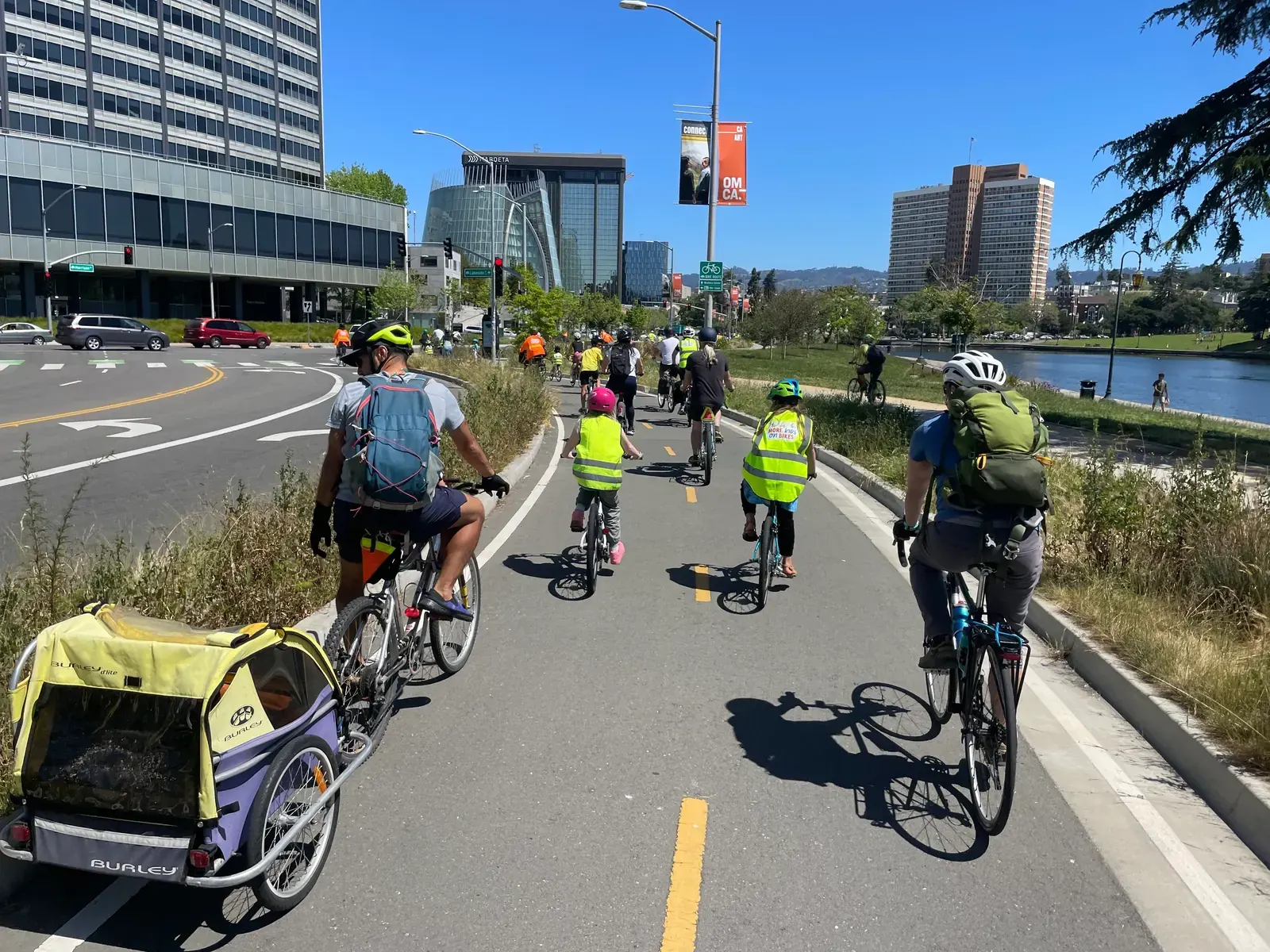
A recent study suggests that the most effective way for cities to encourage more people to cycle is by investing in protected bike lanes. The research, which analysed millions of bike-share trips, found that only physically separated lanes, as opposed to painted lines or sharrows, led to a “causal increase” in cycling.
This finding, co-authored by Marcel Moran, now a professor at San Jose State University’s School of Planning, Policy, and Environmental Studies, analysed data from New York City’s Citi Bike system. The study, titled “Heterogeneous impacts of protected bike lanes on bikeshare behavior across demographic groups in New York,” examined approximately 72 million trips. It concluded that protected bike lanes directly increase bike-share ridership, an effect not observed with painted lanes or sharrows.
Por que importa
Moran stated that his team’s findings in New York are likely applicable to other urban areas, including those in the Bay Area. “Years of research on protected bike lanes, including our study, show that not only do they increase biking, but they can also increase the diversity of who bikes, including among older adults,” Moran told Streetsblog. He added that cities like Berkeley, Oakland, San Jose, and San Francisco have made “meaningful investments in protected bike lanes,” and that further emphasis on this infrastructure, coupled with filling network gaps, is expected to boost ridership and its associated benefits for sustainability and physical activity.
The study’s authors acknowledge several limitations. One key assumption is that the type of bike lane adjacent to a bike-share station reflects the infrastructure used for the entire trip. Additionally, the categorisation of bike lanes into protected, painted, and sharrows masks variations within these types. For instance, “protected” lanes can be delineated by plastic posts, parked cars, or concrete barriers, each potentially influencing cyclist behaviour differently.
Contexto
The research delves into various other factors that encourage or deter potential cyclists to establish causation rather than mere correlation with different bike lane types. Moran emphasised the takeaway for urban planners and policymakers: “The best bang for your buck is protected bike lanes,” he told Bike Talk’s Nick Richert. “Really focus on bike infrastructure that’s protected. That’s how you grow ridership. That’s how you diversify ridership.”
The implications for London are significant. As the city continues to promote active travel and reduce car dependency, the evidence suggests that prioritising protected cycling infrastructure could yield the greatest returns in terms of increased ridership and broader demographic participation. While London has seen investment in cycle lanes, the distinction between protected and painted routes, as highlighted by this study, warrants careful consideration in future planning and investment decisions. Transport for London (TfL) and individual boroughs often face decisions on the type and extent of cycling infrastructure to implement. This study provides a data-driven argument for favouring physically protected designs.
Key facts
| Infrastructure Type | Impact on Ridership | Diversity Impact |
|—|—|—|
| Protected Bike Lanes | Causal increase | Increases diversity |
| Painted Bike Lanes | No causal increase | Not specified |
| Sharrows | No causal increase | Not specified |
The study’s findings could inform future decisions regarding cycle lane design and implementation across London. By focusing on protected infrastructure, the city may be able to more effectively achieve its goals for sustainable transport, public health, and increased cycling participation across all age groups and demographics. The emphasis on “filling in current bike-network gaps” also points to the importance of creating a connected and coherent network, rather than isolated stretches of cycle infrastructure. This approach is crucial for making cycling a viable and attractive option for daily commutes and leisure.
Source: Streetsblog SF – Study: Only Protected Bike Lanes Cause a Real Increase in Cycling (https://sf.streetsblog.org/2026/07/08/study-only-protected-bike-lanes-cause-a-real-increase-in-cycling)
Datos clave
| Punto | Detalle |
|---|---|
| Fuente | Streetsblog SF |
| Fecha | 2026-07-08T22:36:17+00:00 |
| Tema | Study: Only Protected Bike Lanes Cause a Real Increase in Cycling |
Fuente
Streetsblog SF Publicacion original: 2026-07-08T22:36:17+00:00
Related updates

Seattle-Area Race Highlights Diverging Approaches to Housing, Transit and Tech Taxation
A Washington State legislative race in the 32nd District pits incrementalism against urgency on housing supply, transit funding and tech regulation, with…
Read update
New York court ruling on sanctuary policies carries implications for city-level immigration enforcement across the US
A federal judge has dismissed the Trump administration’s attempt to override New York City’s restrictions on immigration enforcement cooperation, citing state sovereignty.…
Read update
Automated license plate readers raise privacy, contract and oversight questions for UK cities
A new US-focused analysis of automated license plate recognition cameras highlights contract, privacy and oversight issues that London boroughs and Transport for…
Read update
Oregon’s “fix it first” dilemma: what London’s transport planners can learn from a revolt against megaprojects
Surveys show Oregonians overwhelmingly want existing roads repaired before new megaprojects are funded, and trust in the state’s transport agency has collapsed.…
Read updateWiki relacionada

Urban Planning Terms: Density, Public Realm and Transit-Oriented Development
A living glossary for terms that appear again and again in planning and development stories.
Read update