
South King County’s Promised Light Rail Stations at Risk
An op-ed argues that Sound Transit must fulfil its long-standing commitments to build the Boeing Access Road and Graham Street light rail stations, which are crucial for equity and economic opportunity in underserved communities.
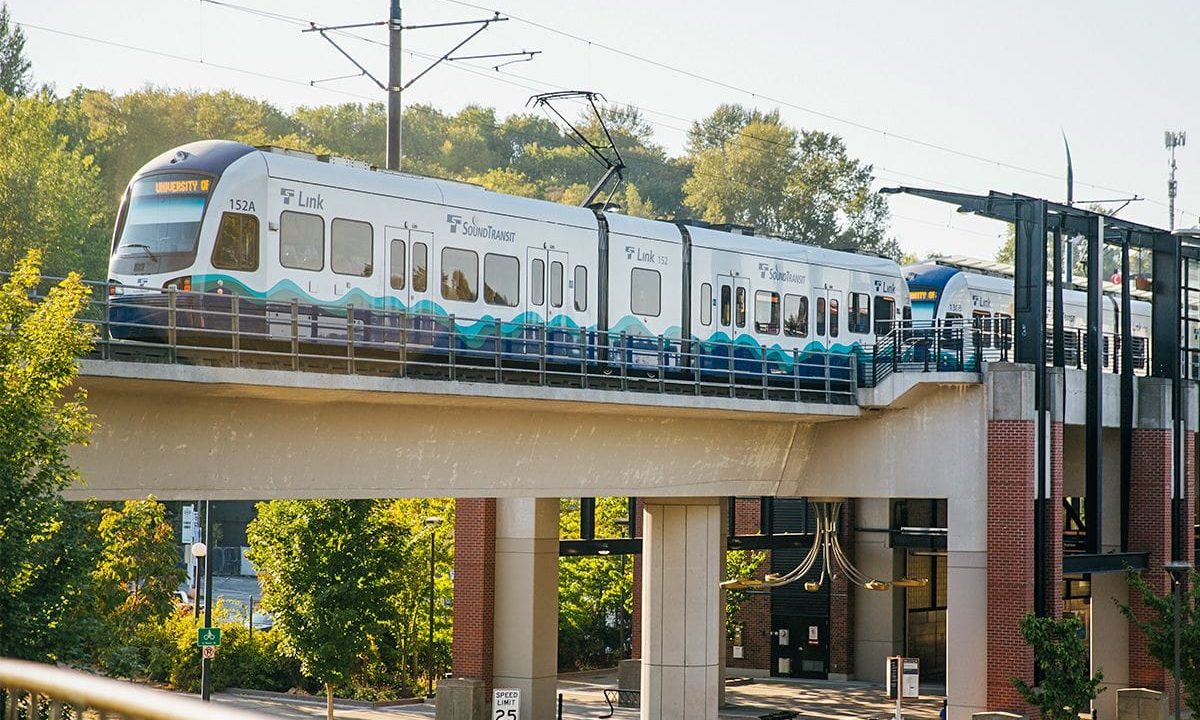
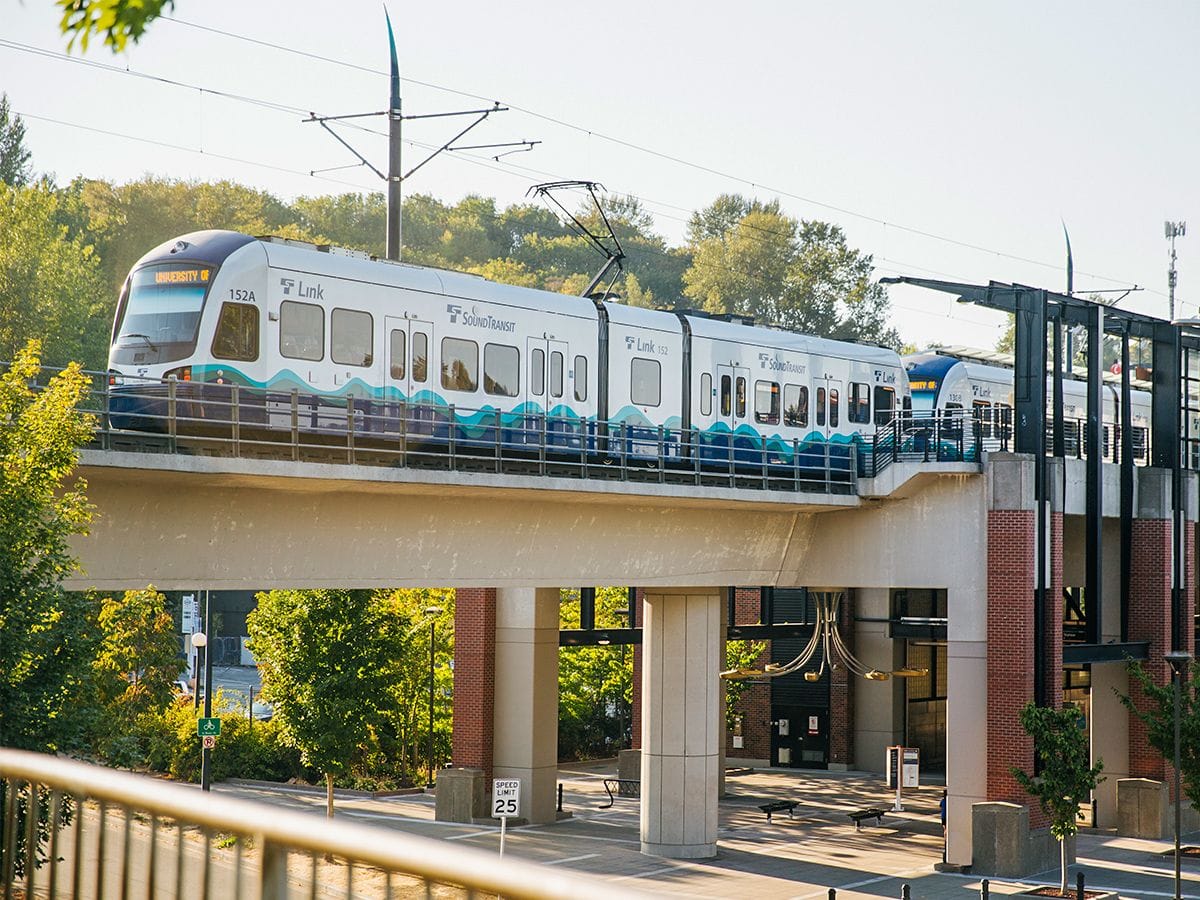
A Call to Keep Promises
For decades, transportation infrastructure projects have been used as tools to segregate and undermine low-income and minority communities. This pattern, observed in cities across the United States, has also impacted communities in the Seattle region. Historically, these infrastructure projects have isolated neighbourhoods, increased pollution, and failed to provide genuine benefits to the residents who sacrificed the most. Despite the promise of a unified regional transit system aimed at doing better, South King County is once again facing the potential deferral of crucial light rail stations.
The Sound Transit Board of Directors is on the verge of a decision that will determine whether to honour a decades-old commitment to South King County by building the Boeing Access Road (BAR) and Graham Street light rail stations. These stations have already been approved and funded by residents, yet they are now facing cancellation due to funding concerns. This is not the first time these stations have been jeopardized. The Boeing Access Road station was approved in the 1996 Sound Move ballot. In 2001, it was deferred to prioritize extending light rail to the airport. The Graham Street station was added in the late 1990s, and both stations were reaffirmed by voters in the 2016 Sound Transit 3 ballot. Despite being designated as Tier 1 projects in 2021, the current funding shortfall has placed them back on the chopping block.
Key facts
| Feature | Details |
|—|—|
| Stations in question | Boeing Access Road (BAR) and Graham Street |
| Promised in | 1996 Sound Move (BAR), late 1990s (Graham Street) |
| Reaffirmed in | 2016 Sound Transit 3 |
| Current status | Facing deferral due to funding shortfall |
| Advocated by | King County Councilmember Rhonda Lewis |
The Impact of Broken Promises
Another deferral of the BAR and Graham Street stations would represent more than just a cancellation of infrastructure projects; it would be a betrayal of the residents whose votes and tax dollars were pledged to deliver them. The author argues that to genuinely assess the effectiveness of policy choices in achieving racial and economic justice, it is essential to understand who benefits and who loses in each proposed scenario. The BAR and Graham Street stations, crucially, are positioned to benefit Black, Indigenous, and people of colour (BIPOC) communities.
These stations offer significant economic advantages at a relatively low cost. As infill stations, they would be built along the existing light rail “spine,” meaning trains already pass through these communities. Adding stations would provide direct access for residents without negatively impacting existing neighbourhoods. Both locations are currently situated within transit deserts, serving large areas with inadequate public transportation options.
Graham Street station is surrounded by established residential neighbourhoods with a significant number of homeowners and renters. Many of these individuals work in jobs with inflexible schedules, where lateness can have serious consequences. The proposed Boeing Access Road station includes parking, which would enable residents to use light rail for commuting to jobs elsewhere. Furthermore, it would facilitate access for incoming commuters to nearby aerospace, manufacturing, education, and other employment centres. Visitors to the Museum of Flight would also benefit from this station’s connectivity.
Rethinking Station Design
The article emphasizes that light rail stations do not need to adhere to a single model, such as the mixed-use, retail-heavy developments often seen. The designed transit system can accommodate diverse station types for varied uses. The Graham Street station would serve a diverse residential community, while the Boeing Access Road station would be multimodal and cater to a more industrial area. Both are vital for connecting people to employment opportunities. The core argument is that regional economic security cannot be achieved if a significant portion of the population lacks access to reliable transportation to get to work.
The solution, the author contends, is to design transit infrastructure thoughtfully. Such planning can stimulate the growth of housing and employment opportunities. In contrast to past infrastructure projects that have fragmented communities to benefit others, this presents an opportunity to build infrastructure that permanently enhances and connects communities. The voters have fulfilled their role by approving these projects twice and contributing to their funding, demonstrating their commitment to the people of South King County.
Equity in Action
Sound Transit claims to operate with an equity lens. However, the author questions the effectiveness of this lens if leadership opts to cancel projects specifically designed to distribute economic opportunities to BIPOC communities. The region continues to offer extraordinary economic potential, and the author stresses the importance of ensuring that no one is left behind. The article concludes with a direct appeal to the Sound Transit Board to honour its commitments and include the Graham Street and Boeing Access Road stations in the current project realignment.
Rhonda Lewis, the author of the op-ed, has a long history of working with municipal and county governments in King County, with 25 years of experience. She was appointed King County Councilmember for District 2 in December 2025, making her the first Black woman to serve on the Council.
Fuente: The Urbanist – Op-Ed: South King County Deserves the Light Rail Stations It Was Promised – https://www.theurbanist.org/op-ed-south-king-county-deserves-the-light-rail-stations-it-was-promised/
Datos clave
| Punto | Detalle |
|---|---|
| Fuente | The Urbanist |
| Fecha | 2026-05-26T17:00:22+00:00 |
| Tema | Op-Ed: South King County Deserves the Light Rail Stations It Was Promised |
Fuente
The Urbanist Publicacion original: 2026-05-26T17:00:22+00:00
Related updates

Seattle-Area Race Highlights Diverging Approaches to Housing, Transit and Tech Taxation
A Washington State legislative race in the 32nd District pits incrementalism against urgency on housing supply, transit funding and tech regulation, with…
Read update
New York court ruling on sanctuary policies carries implications for city-level immigration enforcement across the US
A federal judge has dismissed the Trump administration’s attempt to override New York City’s restrictions on immigration enforcement cooperation, citing state sovereignty.…
Read update
Automated license plate readers raise privacy, contract and oversight questions for UK cities
A new US-focused analysis of automated license plate recognition cameras highlights contract, privacy and oversight issues that London boroughs and Transport for…
Read update
Oregon’s “fix it first” dilemma: what London’s transport planners can learn from a revolt against megaprojects
Surveys show Oregonians overwhelmingly want existing roads repaired before new megaprojects are funded, and trust in the state’s transport agency has collapsed.…
Read updateWiki relacionada

Urban Planning Terms: Density, Public Realm and Transit-Oriented Development
A living glossary for terms that appear again and again in planning and development stories.
Read update