
North Carolina Triangle Transit Ridership Surges 32% in April
The GoTriangle transit system saw a significant increase in passenger numbers last month, with officials pointing to rising fuel costs as a key factor.
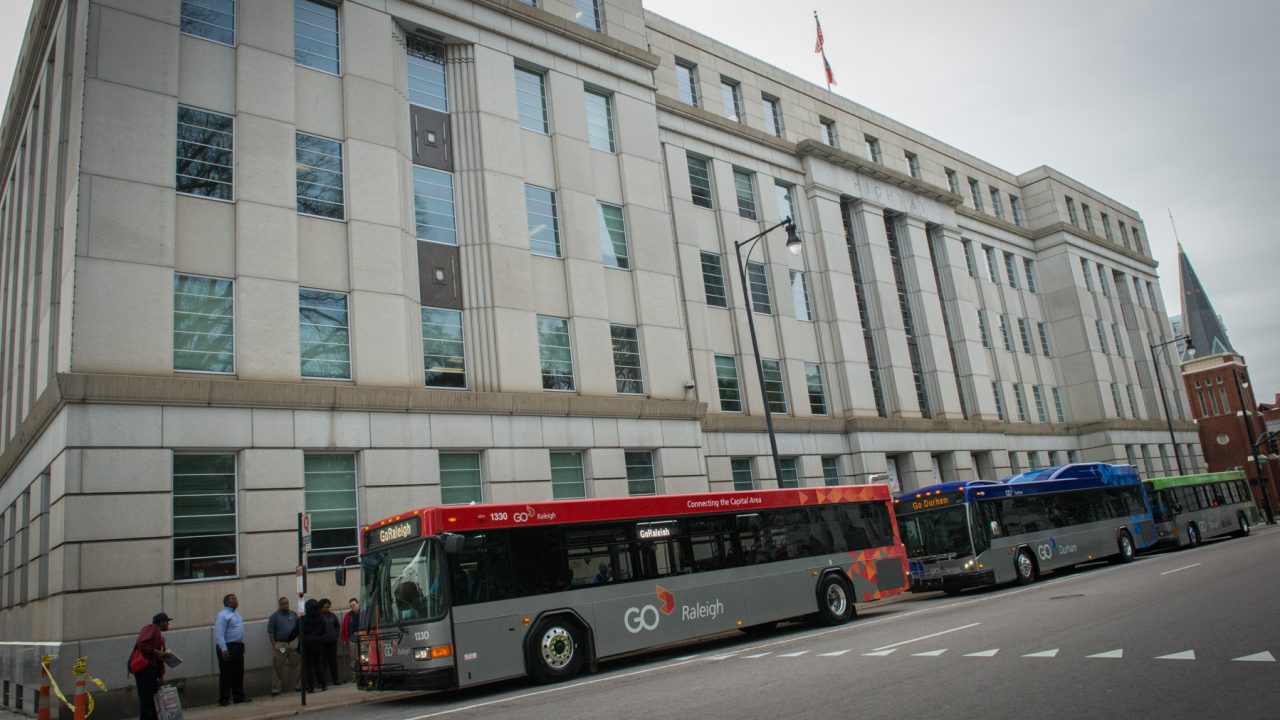
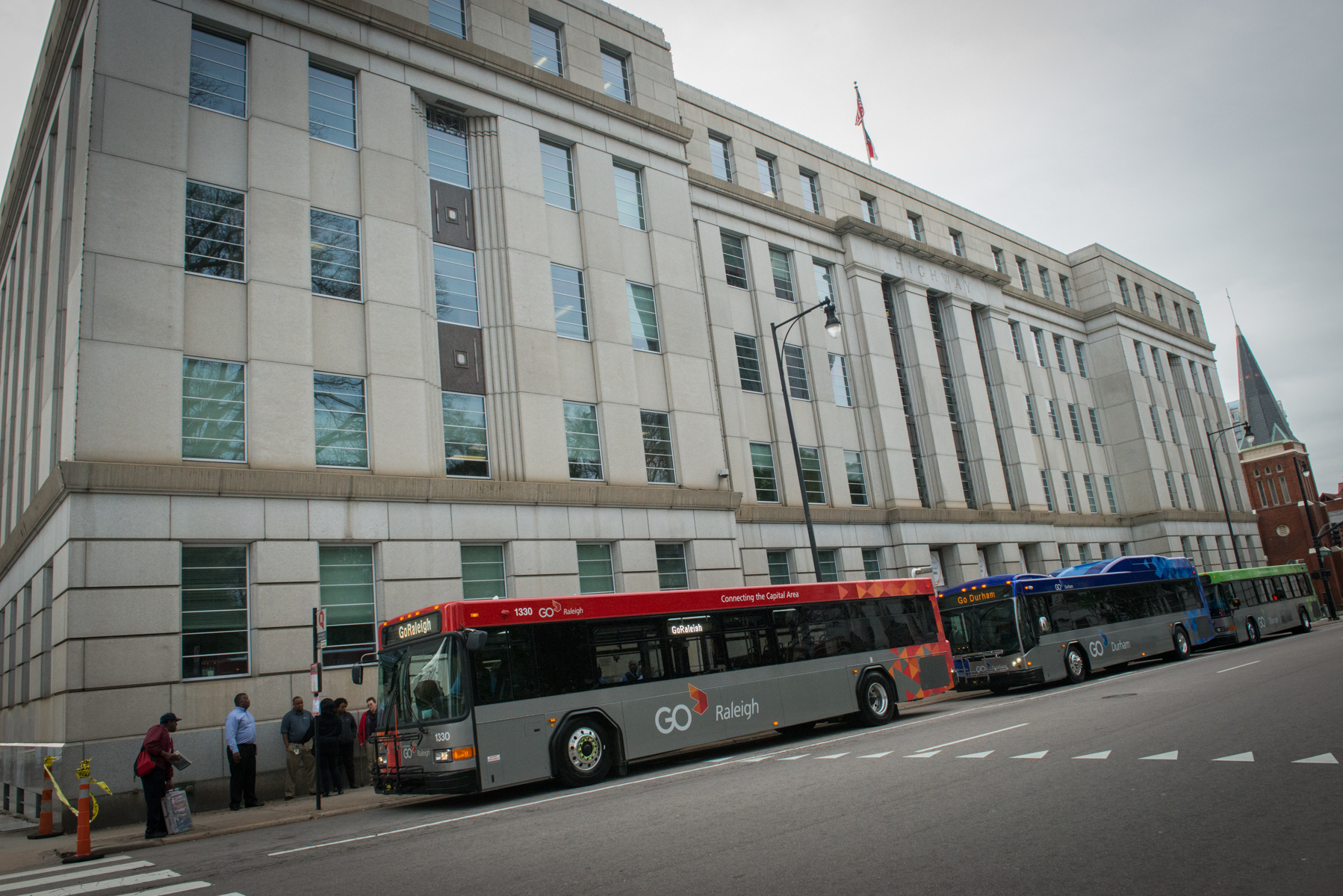
Transit ridership across the North Carolina Triangle region experienced a substantial surge in April 2026, with the GoTriangle system reporting a 32% increase in passenger numbers compared to the same month in the previous year. This significant uptick in public transport usage has prompted system officials to identify rising gasoline prices as a primary driver behind the trend.
The GoTriangle transit system serves a wide geographical area encompassing Wake, Durham, and Orange counties, including the major urban centres of Raleigh, Durham, and Chapel Hill, collectively known as the Research Triangle. In 2025, the system recorded a total ridership of 1,518,300 passengers. The recent increase suggests a renewed reliance on public transportation, potentially influenced by economic factors affecting private vehicle ownership and operation.
Free Fare Initiatives
A notable aspect of GoTriangle’s service model includes provisions for free fares for specific demographic groups. Residents who qualify for certain government benefits, as well as senior citizens and young people, are eligible for complimentary travel on the system. These fare policies likely contribute to the accessibility and affordability of public transit, making it a more attractive option for a broader segment of the population, especially during periods of economic pressure.
Factors Influencing Ridership
While officials attribute the ridership jump in part to elevated gas prices, other contributing factors may also be at play. The free fare initiatives clearly play a role in encouraging usage among targeted groups. Additionally, ongoing urban development and population growth within the Research Triangle region can naturally lead to increased demand for transportation services. The reliability and frequency of GoTriangle’s services, coupled with investments in transit infrastructure, could also be factors in attracting more passengers. The article from WTVD, as reported by Elaina Athans, specifically highlights the correlation between the rise in transit use and the increase in the cost of fuel, suggesting a direct economic incentive for commuters to switch from private cars to public transport.
The GoTriangle system is the sole transit provider in this dynamic region, underscoring its critical role in the mobility landscape. Its services connect communities, facilitate access to employment and educational opportunities, and contribute to reducing traffic congestion and environmental impact. Understanding the fluctuations in ridership is crucial for effective transit planning and resource allocation.
Implications for Urban Planning and Policy
The surge in transit ridership in the North Carolina Triangle region offers valuable insights for urban planners and policymakers. A sustained increase in public transport usage can have several positive implications:
Reduced Traffic Congestion: More people using transit means fewer cars on the road, potentially alleviating traffic congestion, especially during peak hours. This can lead to shorter commute times for all road users and a less stressful urban environment.
Environmental Benefits: Public transportation generally has a lower carbon footprint per passenger mile than private vehicles. An increase in ridership can contribute to reduced greenhouse gas emissions, improved air quality, and progress towards climate resilience goals.
Economic Impact: Affordable and accessible public transit can boost local economies by connecting people to jobs and businesses. It can also reduce household transportation costs, freeing up disposable income. For transit agencies, increased ridership can translate into higher farebox revenue, which can be reinvested in service improvements.
Need for Investment and Expansion: A significant increase in demand may also highlight the need for further investment in transit infrastructure, fleet expansion, and service enhancements to accommodate growing numbers of passengers and maintain service quality. This could include increasing the frequency of existing routes, expanding service to underserved areas, and upgrading transit facilities.
Data Collection and Analysis
The reported 32% increase in ridership is a significant data point for GoTriangle and regional planning bodies. Accurate data collection and analysis are essential for understanding travel patterns, identifying service gaps, and making informed decisions about future investments. The system’s ability to track ridership, potentially through fare collection systems or passenger counts, provides the foundation for such analysis. The context provided by WTVD, citing GoTriangle officials, emphasizes the direct link they draw between ridership and gas prices, a common phenomenon observed in transit markets globally.
Future Outlook
The long-term impact of rising gas prices on transit ridership remains to be seen. If fuel costs remain high or continue to increase, it is likely that public transportation will continue to be a preferred mode of travel for many in the Triangle region. This trend could necessitate proactive planning by GoTriangle and local governments to ensure the transit system is well-equipped to meet ongoing and future demand. Continued monitoring of ridership data, coupled with strategic investments in service and infrastructure, will be key to harnessing the benefits of this increased public transport usage for the region’s urban development and sustainability.
Key facts
- Transit System: GoTriangle
- Region Served: North Carolina Triangle (Wake, Durham, Orange counties)
- Ridership Increase: 32% in April 2026 compared to April 2025
- Attributed Cause: Higher gas prices, free fares for certain beneficiaries
- 2025 Ridership: 1,518,300
Source: Planetizen News (https://www.planetizen.com/news/2026/05/137624-north-carolina-triangle-transit-ridership-jumped-32-april)
Fuente
Planetizen News Publicacion original: 2026-05-22T13:00:00+00:00
Related updates

Seattle-Area Race Highlights Diverging Approaches to Housing, Transit and Tech Taxation
A Washington State legislative race in the 32nd District pits incrementalism against urgency on housing supply, transit funding and tech regulation, with…
Read update
New York court ruling on sanctuary policies carries implications for city-level immigration enforcement across the US
A federal judge has dismissed the Trump administration’s attempt to override New York City’s restrictions on immigration enforcement cooperation, citing state sovereignty.…
Read update
Automated license plate readers raise privacy, contract and oversight questions for UK cities
A new US-focused analysis of automated license plate recognition cameras highlights contract, privacy and oversight issues that London boroughs and Transport for…
Read update
Oregon’s “fix it first” dilemma: what London’s transport planners can learn from a revolt against megaprojects
Surveys show Oregonians overwhelmingly want existing roads repaired before new megaprojects are funded, and trust in the state’s transport agency has collapsed.…
Read updateWiki relacionada
Urban Planning Terms: Density, Public Realm and Transit-Oriented Development
A living glossary for terms that appear again and again in planning and development stories.
Read update