
New Jersey Transit Faces $6 Million Per Match Cost for FIFA World Cup Service
NJ Transit anticipates a significant operational cost of $6 million for each World Cup match hosted at MetLife Stadium, with individual rider fares set at $98 for a round trip.
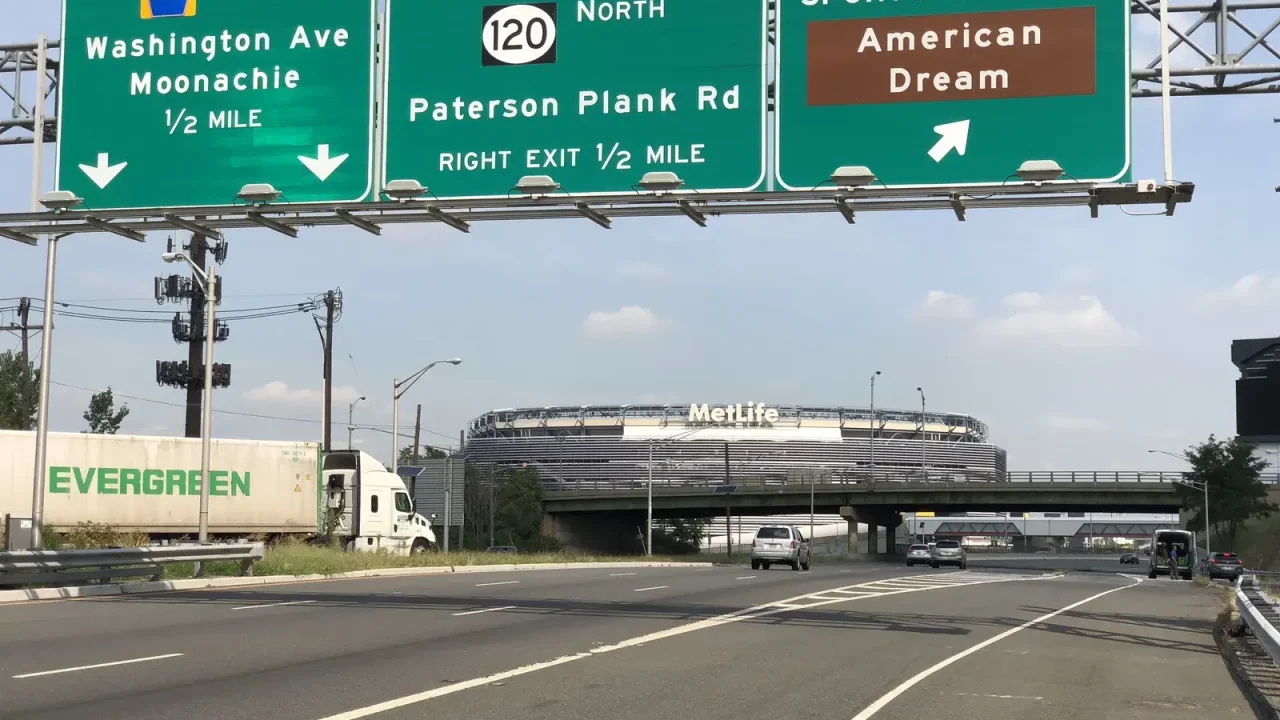
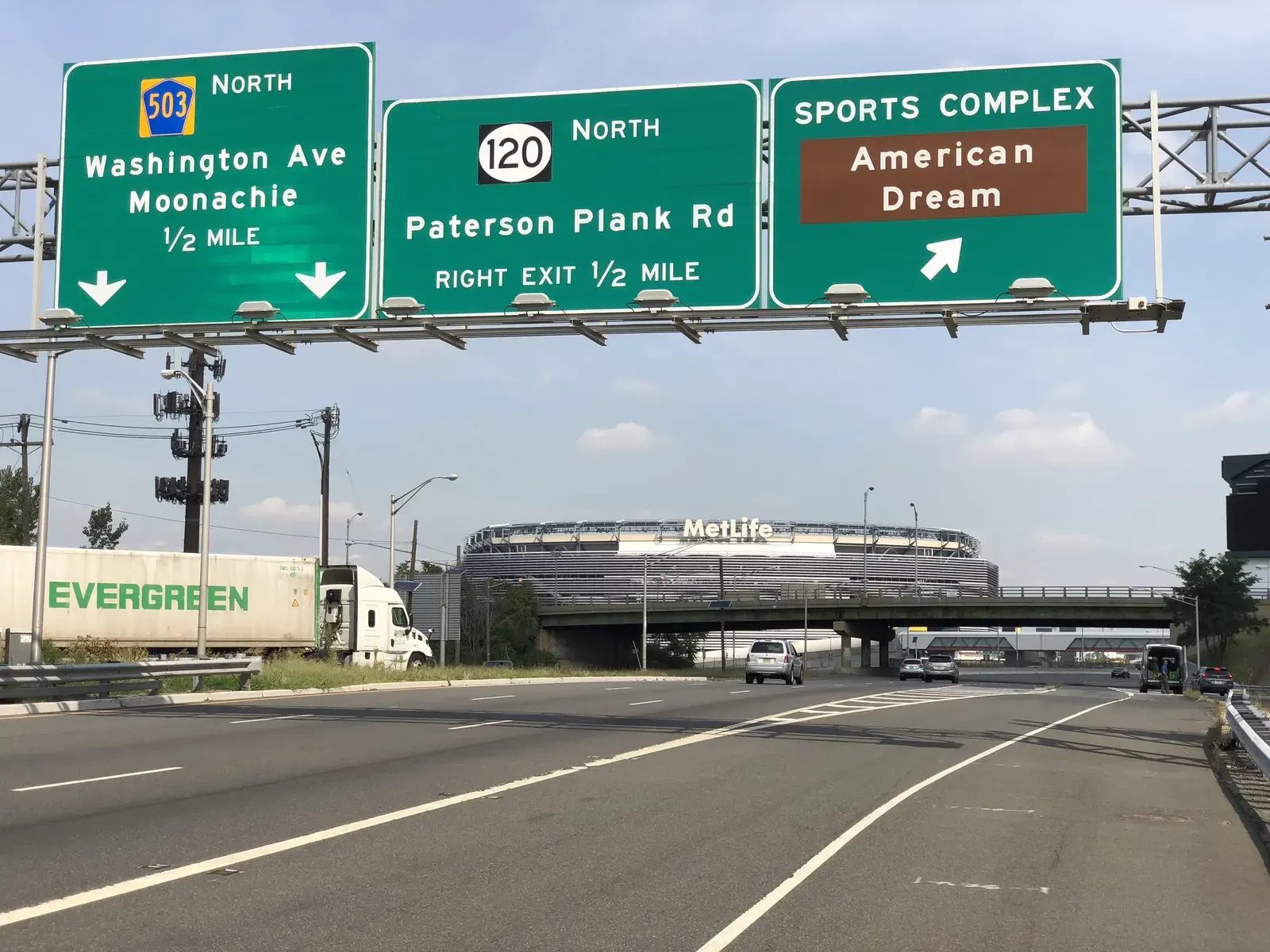
New Jersey’s public transit system is bracing for substantial operational costs associated with the upcoming FIFA World Cup matches at MetLife Stadium. NJ Transit has estimated that providing a special train service to the stadium will amount to $6 million per match. This figure highlights the significant investment required to manage the influx of fans for major international sporting events.
Rider Fares Set High
To help offset these extensive operational expenses, NJ Transit plans to charge passengers $98 for a round-trip ticket to the stadium. This high fare reflects the unique demands and costs associated with providing dedicated, high-capacity transit for a global event of this magnitude. The pricing strategy aims to balance the need for increased revenue with the goal of encouraging public transit use over private vehicles, which could exacerbate local traffic congestion.
Varied Approaches Across Host Cities
The approach taken by New Jersey is part of a broader landscape of transit planning for the 11 U.S. cities designated as World Cup host venues. While some cities are integrating services into existing transit networks, others, like New Jersey, are implementing specialised, high-cost solutions.
In Massachusetts, a similar scenario is unfolding, with train services from Boston to Foxborough’s Gillette Stadium priced at $80 round trip, and an express bus service at $95. These figures suggest a trend of elevated transit costs for fans travelling to stadiums that may not be as seamlessly integrated into established public transport hubs.
Cities with Existing Connectivity
Conversely, several host cities are in a more advantageous position due to existing robust rail and bus infrastructure. In Atlanta, Houston, and Seattle, regular transit fares are expected to apply. These cities may need to augment their existing services by adding more vehicles to accommodate the anticipated surge in ridership, a challenge that is generally more manageable than establishing entirely new or significantly enhanced services.
Dallas and Miami have opted for a shuttle bus model, providing dedicated services exclusively for ticket holders. This approach offers a streamlined solution for fan transportation directly to the venues, potentially simplifying logistics and crowd management within the immediate stadium vicinity.
The unique transit challenges and solutions being developed for the World Cup underscore the complexities of managing large-scale events in urban environments. For New Jersey, the $6 million per match cost for dedicated FIFA transit represents a significant financial undertaking, with rider fares reflecting the premium service and specialised logistics involved. As host cities prepare, the effectiveness and financial sustainability of these varied transit strategies will be a key story during the tournament.
Key facts
| Aspect | Detail |
|---|---|
| Venue | MetLife Stadium, East Rutherford, New Jersey |
| Transit Operator | NJ Transit |
| Cost per match | $6 million |
| Round-trip fare | $98 per rider |
| Event | FIFA World Cup 2026 |
Source: Planetizen News, https://www.planetizen.com/news/2026/06/137783-new-jersey-fifa-transit-will-cost-6-million-match
Fuente
Planetizen News Publicacion original: 2026-06-12T15:00:00+00:00
Related updates
New York Poll Shows Overwhelming Bipartisan Support for Apartments Near Transit, Highlighting Contrast with London’s Own Housing Debate
A new poll from Open New York finds 79% of voters support building multi-family homes near rail stations, as the governor’s race…
Read update
Seattle City Attorney Launches New Community Court and Repeat Offender Programme Amid Public Defender Concerns
Seattle City Attorney Erika Evans has launched Connection Court, a new community court programme, alongside a punitive High-Priority Repeat Offenses system. The…
Read update
Seattle’s Centers & Corridors Zoning Update Delayed by Environmental Review Ruling
A state hearings board ruling has forced Seattle to rework the environmental impact statement for its twenty-year growth plan, pushing the next…
Read update
FEMA disaster mitigation grants freeze threatens to stall UK resilience learning, planners warn
A US Government Accountability Office report says $2.2 billion in FEMA Building Resilient Infrastructure and Communities grants remain unresolved, delaying more than…
Read updateWiki relacionada
Urban Planning Terms: Density, Public Realm and Transit-Oriented Development
A living glossary for terms that appear again and again in planning and development stories.
Read update