
Experts Urge Mayor Mamdani to Act on Illegal E-Motos Following Fatal Queensboro Bridge Collision
A tragic collision on the Queensboro Bridge, resulting in the deaths of two individuals, has sparked renewed calls for stricter enforcement against illegal high-speed electric scooters and e-motos in New York City.
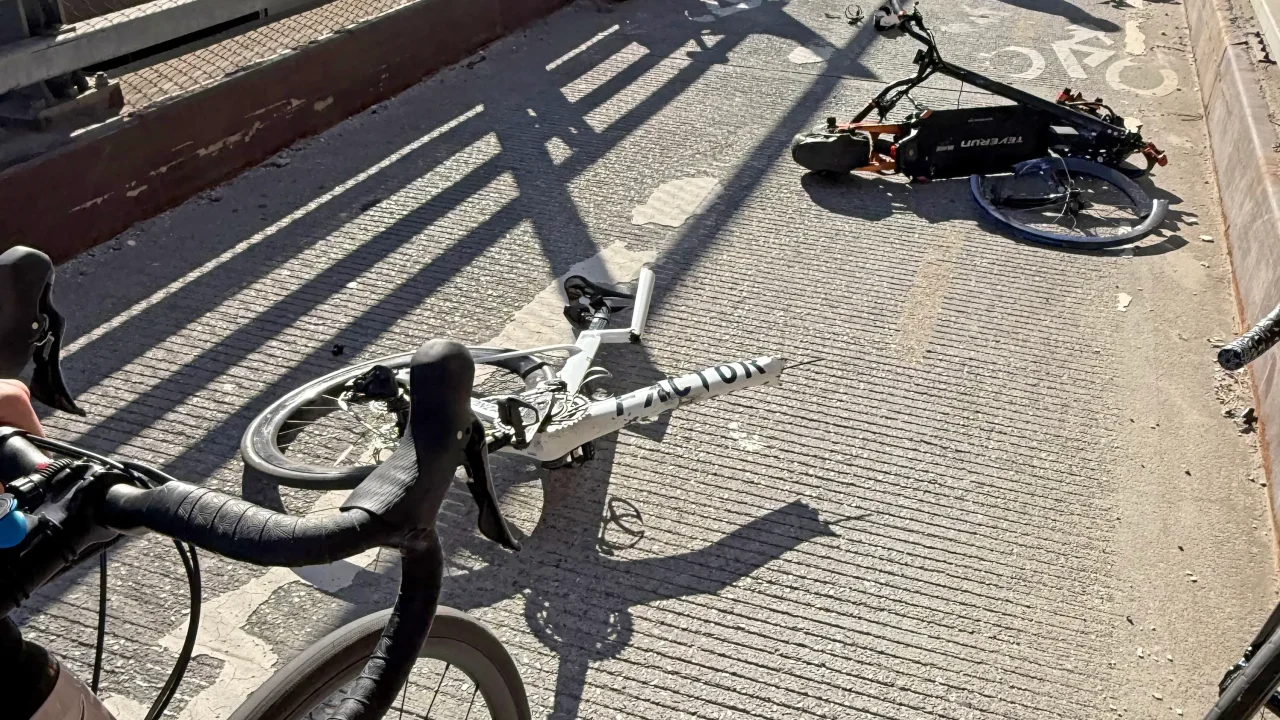
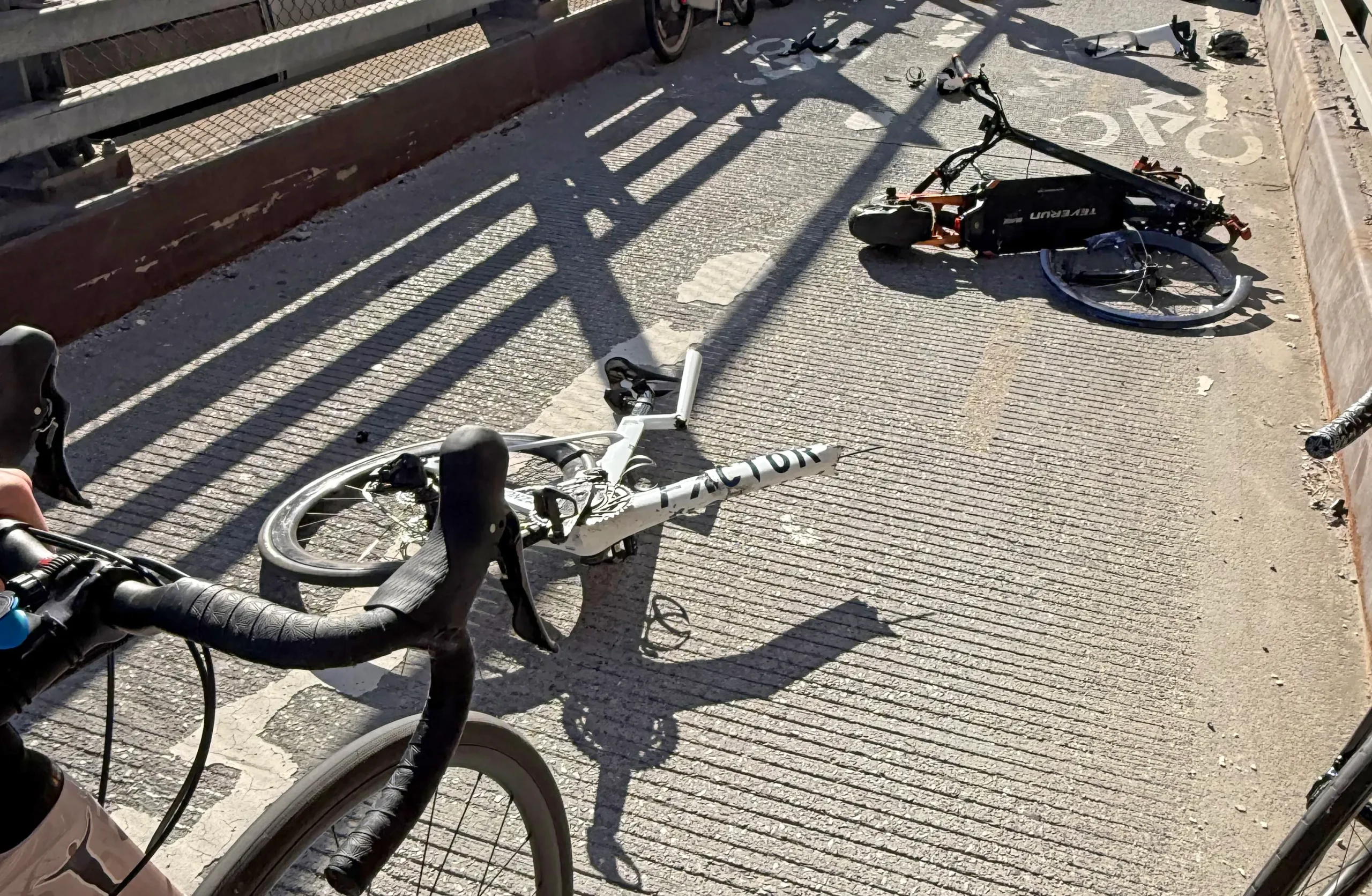
A recent fatal collision on the Queensboro Bridge, which claimed the lives of a man riding an illegal e-scooter and a cyclist, has intensified demands for Mayor Mamdani’s administration to take decisive action against the proliferation of high-speed electric vehicles on city streets. Safety advocates and legal experts are urging the city to implement a multi-pronged strategy, including increased enforcement, the confiscation of illegal devices, and regulations on their sale.
The incident occurred when Francis Delball, 39, riding an illegal e-scooter with a purported top speed of 50 mph, collided head-on with Dmytro Stechenko, 35, a cyclist, on the bridge’s bike path. Both individuals died at the scene. This tragedy has brought to the forefront the persistent issue of unregistered and high-speed electric vehicles operating on public infrastructure, a problem that has spanned multiple mayoral administrations.
Experts emphasize that while many of these devices are colloquially referred to as “e-bikes,” they are distinct from legally sanctioned electric bicycles and often exceed legal speed limits for urban use. Current New York City regulations prohibit stand-up electric scooters capable of speeds over 20 mph and e-bikes exceeding 25 mph from being ridden on city streets. Neither type of vehicle is permitted to exceed a speed of 15 mph.
Calls for Enforcement
Jon Orcutt, a former Department of Transportation official and prominent cycling advocate, stressed the immediate need for law enforcement intervention. “The most important thing Mayor Mamdani can do today? Direct NYPD to confiscate those illegal vehicles,” Orcutt stated. He pointed out that current NYPD efforts have primarily focused on electric mobility devices used in crimes or unregistered legal mopeds, rather than a broad crackdown on all illegal high-speed electric vehicles. “If someone is riding an illegal vehicle in one of the city’s most crowded bike paths, it’s a safety issue like we’ve seen today. Put a stop to it,” he urged.
The NYPD has not provided figures on the number of illegal e-motos seized in the past year. A significant challenge for law enforcement lies in accurately distinguishing between various types of electric two-wheelers, including legal and illegal e-bikes and scooters.
Technological Solutions for Enforcement
To address the identification challenges, advocates suggest the adoption of technology already employed in European cities. Steve Vaccaro, a cycling advocate and attorney, recommended the use of dynamometers, or “dynos,” to test the maximum speed of these vehicles. “They take the two wheeler, e-bike or scooter, put it on the machine and rev the throttle and the machine tells them. It’s idiot proof,” Vaccaro explained. He believes investing in such technology would allow police to definitively identify illegal devices rather than relying on subjective assessments.
The scooter involved in the Queensboro Bridge crash, identified as a Blade GT II, is readily available for purchase online and in stores, despite being illegal to operate on city streets. Advocates argue that Mayor Mamdani and the City Council have the authority to implement point-of-sale regulations to prevent New Yorkers from purchasing these high-speed vehicles.
Regulating Sales
While online retailers might circumvent some regulations, point-of-sale rules can shift enforcement focus to retailers rather than relying solely on post-incident enforcement on streets. This approach has seen success in other jurisdictions. For instance, Amazon recently agreed to halt sales of “e-bikes” exceeding state speed limits in California following a warning from the state’s Attorney General.
Peter Beadle, another New York City-based bike attorney, highlighted that the scooter involved in the crash is illegal in most U.S. states, noting that “Forty-two out of 50 states clearly would not allow this scooter to be operated beyond 25 mph.” He argued that these devices should not be deliverable to addresses in New York City.
Manufacturer Responsibility and Marketing
Beadle also pointed to the responsibility of manufacturers, citing the marketing of the Blade GT II by Teverun. The company advertises the scooter as “built for sustained high-speed dominance” and “built to match the freeway.” Beadle contends that such marketing, which emphasizes speed and power without acknowledging potential dangers or legal restrictions, contributes to the problem. He drew parallels to regulations on the marketing of products like cigarettes, alcohol, and firearms, suggesting that similar restrictions could be applied to the sale of high-speed electric mobility devices. “You know you’re building a scooter that goes twice as fast as any jurisdiction allows, you’re allowing it to be sold and shipped… and you’re taking absolutely no responsibility,” Beadle stated. He believes this constitutes a form of fraud on the public.
Education and Awareness
Beyond enforcement and sales regulations, education plays a crucial role. Vaccaro emphasized the need to inform the public that purchasing and using these devices does not equate to their legality or safety on city streets. “Education is telling people, ‘Just because you can buy it and you use it doesn’t mean it’s lawful and that it’s safe and appropriate,'” he said. Clearer communication is needed to help New Yorkers understand the distinctions between legal and illegal electric mobility devices.
The tragic incident on the Queensboro Bridge has underscored the vulnerability of the city’s cycling and pedestrian infrastructure, which advocates fought for years to establish. The recent opening of a separate pedestrian path has been undermined by the continued use of illegal, high-speed vehicles on shared routes.
City Hall’s Response
A spokesperson for Mayor Mamdani affirmed the administration’s commitment to addressing the issue. “This terrible tragedy is a grim reminder that illegal, high-speed micro-mobility devices, like the stand-up e-scooter involved in this incident, are dangerous and have no place on our roadways or bike paths,” stated Jeremy Edwards, a City Hall spokesman. “Every New Yorker deserves to feel safe, and the Mamdani Administration will continue working to remove these illegal devices from our streets and bring accountability to micromobility use.” The administration indicated it is exploring measures to ensure accountability for the use of micromobility devices.
Key facts
| Aspect | Details |
|---|---|
| Incident | Fatal collision between an illegal e-scooter and a cyclist on the Queensboro Bridge. |
| Victims | Francis Delball (e-scooter rider), Dmytro Stechenko (cyclist), both deceased. |
| Legal Status | Stand-up electric scooters over 20 mph and e-bikes over 25 mph are illegal on NYC streets; maximum legal speed for these devices is 15 mph. |
| Proposed Solutions | Increased NYPD enforcement, confiscation of illegal vehicles, sale regulations, use of dynamometers for speed testing, public education campaigns. |
The ongoing challenge of illegal high-speed electric vehicles on New York City streets poses a significant threat to public safety, particularly for vulnerable road users like cyclists and pedestrians. The Queensboro Bridge tragedy serves as a stark reminder of the urgent need for comprehensive policy and enforcement measures to regulate these devices and ensure safer urban mobility for all. The city’s response will be critical in determining whether it can effectively balance innovation in urban transport with the imperative of public safety and the integrity of its growing network of active transportation infrastructure.
Source: Streetsblog NYC – https://nyc.streetsblog.org/2026/05/29/mayor-mamdani-must-rein-in-illegal-e-motos-after-queensboro-bridge-tragedy-experts
Fuente
Streetsblog NYC Publicacion original: 2026-05-29T04:04:00+00:00
Related updates

New York Poll Shows Overwhelming Bipartisan Support for Apartments Near Transit, Highlighting Contrast with London’s Own Housing Debate
A new poll from Open New York finds 79% of voters support building multi-family homes near rail stations, as the governor’s race…
Read update
Seattle City Attorney Launches New Community Court and Repeat Offender Programme Amid Public Defender Concerns
Seattle City Attorney Erika Evans has launched Connection Court, a new community court programme, alongside a punitive High-Priority Repeat Offenses system. The…
Read update
Seattle’s Centers & Corridors Zoning Update Delayed by Environmental Review Ruling
A state hearings board ruling has forced Seattle to rework the environmental impact statement for its twenty-year growth plan, pushing the next…
Read update
FEMA disaster mitigation grants freeze threatens to stall UK resilience learning, planners warn
A US Government Accountability Office report says $2.2 billion in FEMA Building Resilient Infrastructure and Communities grants remain unresolved, delaying more than…
Read update