
Londoners Urged to Prepare for Heatwaves with Hydrant Sprinkler Caps
A report from New York City highlights a local initiative to distribute free sprinkler caps for fire hydrants, offering a potential model for London's response to rising summer temperatures and extreme weather events.
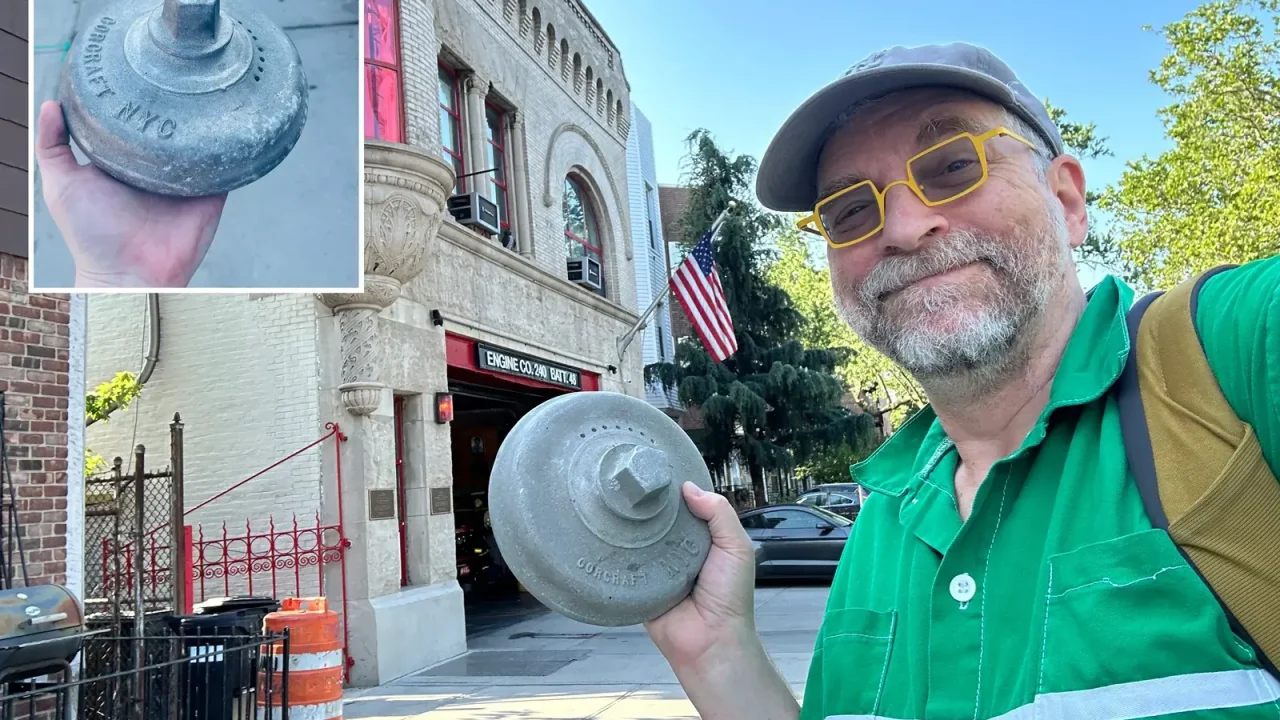
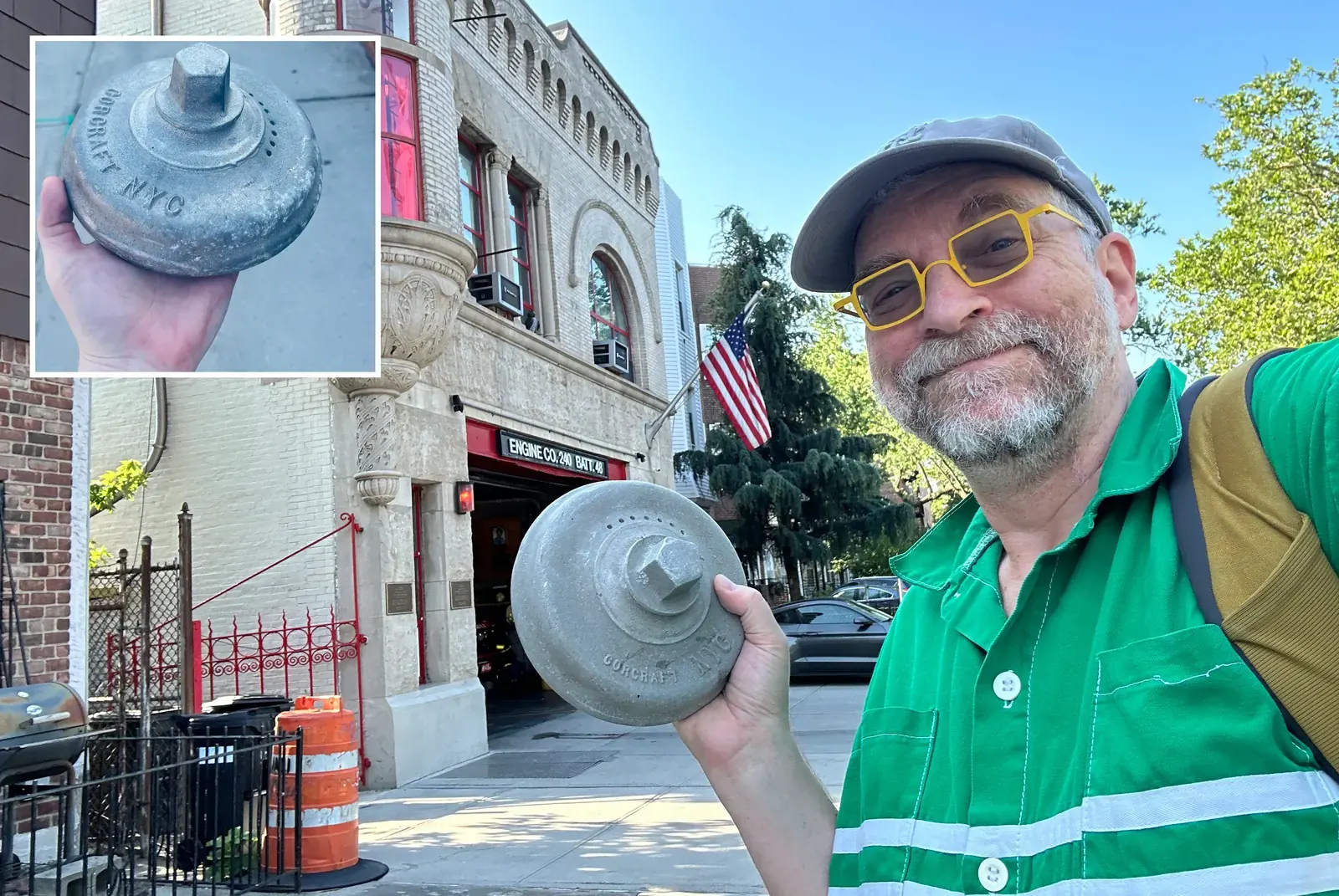
As London faces increasingly intense summer heatwaves, a recent initiative in New York City offers a practical, community-driven approach to public cooling that could be adapted for the UK capital. The New York City Fire Department (FDNY) has been distributing free “sprinkler caps” for fire hydrants, transforming them into temporary public water features to help residents cope with extreme temperatures.
This program, detailed in a Streetsblog NYC report, involves residents obtaining caps from firehouses. While the process and requirements varied slightly across different fire stations in New York, the core idea is to provide a readily accessible method for cooling public spaces. This initiative directly addresses the growing need for urban heat island mitigation strategies, particularly in densely populated areas where heat can become a significant public health concern.
Por que importa
Adapting the Initiative for London
London’s urban environment, characterised by extensive paved surfaces and a high density of buildings, is particularly susceptible to the urban heat island effect. As climate change intensifies, with projections indicating more frequent and severe heatwaves, proactive measures for public cooling are becoming essential. The FDNY’s sprinkler cap program presents a low-cost, high-impact solution that could be explored by London’s fire services, local authorities, and the Greater London Authority (GLA).
The New York experience suggests that such a program would require clear guidelines and public communication. Factors to consider for a London rollout include:
- Distribution Points: Identifying accessible locations, such as fire stations, community centres, or even temporary pop-up points during heat alerts.
- Eligibility and Application: Determining if any registration or identification is necessary, balancing ease of access with responsible use. The New York report noted varying requirements, from no questions asked to filling out a form detailing the intended hydrant location.
- Safety and Placement: Establishing rules for where caps can be installed, such as on side streets away from heavy traffic, to ensure public safety, especially for children.
- Equipment: The need for specific tools, like a fire hydrant wrench, to correctly install the caps, as highlighted in the New York report. Training or provision of simple installation guides could be beneficial.
- Public Awareness: A comprehensive campaign to inform Londoners about the availability and correct use of these caps during heatwaves.
The potential benefits of such a program extend beyond immediate relief from the heat. It can foster a sense of community by encouraging neighbours to share cooling resources and can serve as a visible reminder of the impacts of climate change and the need for adaptation strategies.
While the primary source of information is based on a New York City initiative, the underlying principle of adapting public infrastructure for climate resilience is directly relevant to London’s urban planning and public safety concerns. As London develops its strategies for adapting to a changing climate, exploring and potentially piloting such practical, community-focused solutions could prove invaluable.
Key facts
| Aspect | New York City Initiative | Potential London Adaptation |
|---|---|---|
| Objective | Provide public cooling during heatwaves | Provide public cooling during heatwaves |
| Method | Distribute free sprinkler caps for fire hydrants | Distribute free sprinkler caps for fire hydrants |
| Distribution | Firehouses, with varying application requirements | Firehouses, community centres, potential pop-up points |
| Considerations | Safety, hydrant location, required tools, public awareness | Safety, hydrant location, required tools, public awareness |
| Governing Body | NYC Mayor’s Office, FDNY | GLA, London Fire Brigade, London boroughs |
The implementation of a similar program in London would require collaboration between the London Fire Brigade, the Greater London Authority (GLA), and individual borough councils. It would necessitate a review of existing regulations regarding fire hydrant usage and a public consultation process to gauge community interest and address potential concerns.
This initiative, while originating in a different city, underscores a vital aspect of urban resilience: leveraging existing infrastructure in innovative ways to protect residents from the escalating impacts of climate change. As London continues to plan for a sustainable and resilient future, such practical, on-the-ground solutions warrant serious consideration.
Source: Streetsblog NYC, https://nyc.streetsblog.org/2026/07/02/thursdays-headlines-cool-it-edition
Fuente
Streetsblog NYC Publicacion original: 2026-07-02T04:01:00+00:00
Related updates

Seattle-Area Race Highlights Diverging Approaches to Housing, Transit and Tech Taxation
A Washington State legislative race in the 32nd District pits incrementalism against urgency on housing supply, transit funding and tech regulation, with…
Read update
New York court ruling on sanctuary policies carries implications for city-level immigration enforcement across the US
A federal judge has dismissed the Trump administration’s attempt to override New York City’s restrictions on immigration enforcement cooperation, citing state sovereignty.…
Read update
Automated license plate readers raise privacy, contract and oversight questions for UK cities
A new US-focused analysis of automated license plate recognition cameras highlights contract, privacy and oversight issues that London boroughs and Transport for…
Read update
Oregon’s “fix it first” dilemma: what London’s transport planners can learn from a revolt against megaprojects
Surveys show Oregonians overwhelmingly want existing roads repaired before new megaprojects are funded, and trust in the state’s transport agency has collapsed.…
Read update