
London’s Transport Strategy: Examining Night-Time Travel Incentives in Urban Planning
While Amtrak expands its "Night Owl Fares" in the US, London's transport authorities continue to explore various initiatives to manage demand and improve off-peak travel experiences across its extensive network. This article examines the potential for similar incentive schemes within London's urban transport strategy,
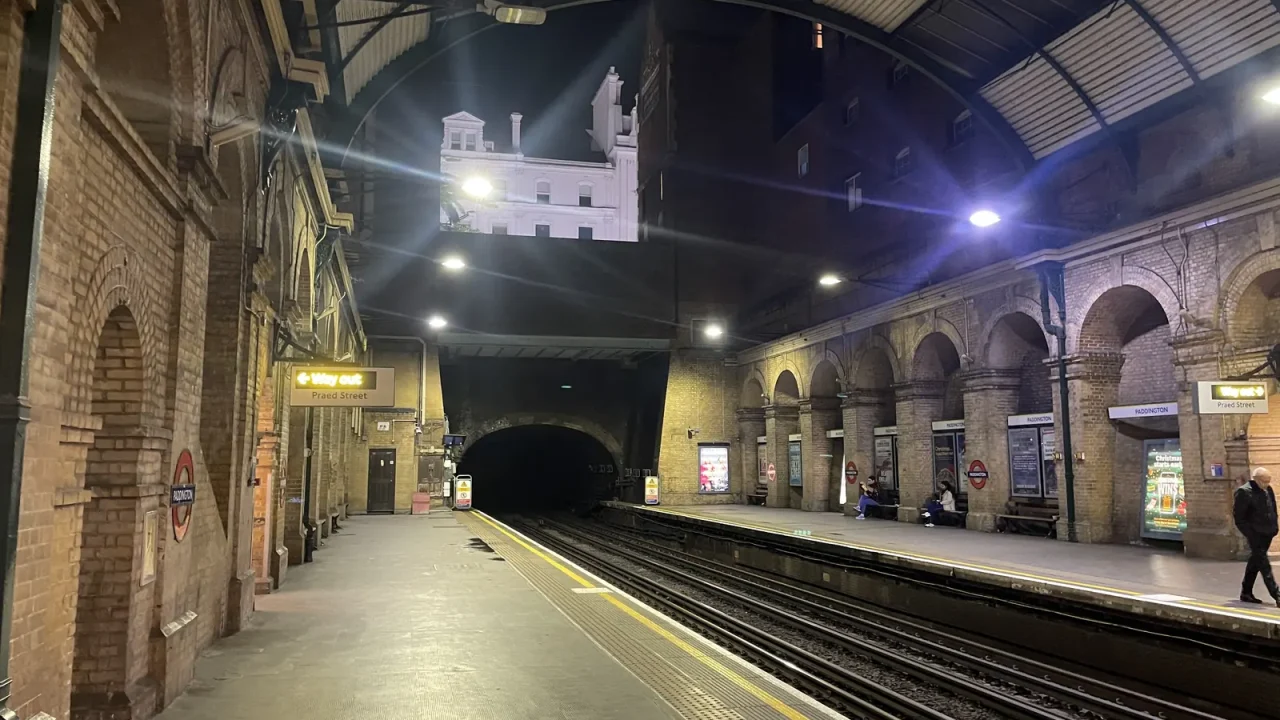
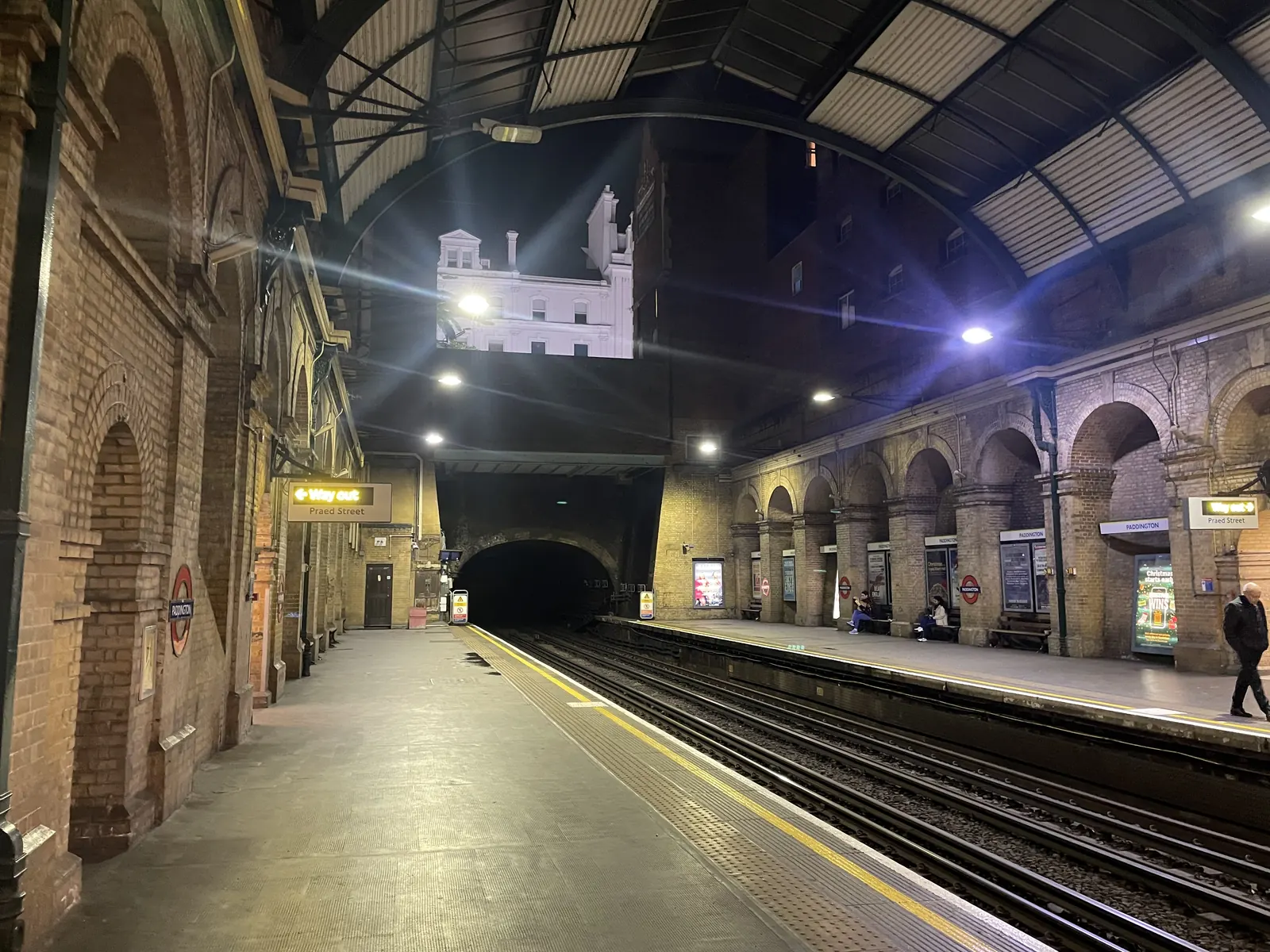
While Amtrak introduces expanded “Night Owl Fares” on its Northeast Corridor services in the United States, offering discounted travel during off-peak hours, London’s transport authorities regularly review strategies to optimise its own extensive public transport network. This includes considering how incentives could shape demand and enhance the night-time experience for residents and visitors alike. The operational context and urban planning objectives for London differ significantly from US intercity rail, yet the principle of leveraging pricing to manage capacity and encourage off-peak travel holds relevance for a global city like London with its 24-hour economy aspirations.
London’s transport network, particularly the Underground and bus services, already supports a vibrant night-time economy through initiatives like the Night Tube and Night Overground. These services aim to provide safe and efficient transport for those working, socialising, or travelling during late hours. The introduction of specific fare incentives, similar to Amtrak’s model, could further influence travel patterns, potentially reducing congestion during peak hours and making night-time travel more accessible and affordable. Any such scheme would need careful integration with existing fare structures and extensive public engagement.
Understanding London’s Night-Time Transport Needs
London’s status as a global city means it has a significant night-time population, ranging from shift workers and emergency service personnel to entertainment-goers. The existing Night Tube and Night Overground services have been instrumental in supporting this demographic, linking key areas and reducing reliance on private vehicles or more expensive alternatives. However, challenges persist, including ensuring comprehensive coverage across all boroughs, maintaining service reliability, and addressing safety concerns for solo travellers.
Current fare structures in London are primarily based on zones and time of day, with Off-Peak fares applying outside of morning and evening rush hours. A “Night Owl” style fare could build upon this by offering deeper discounts for travel during specific late-night or early-morning windows, potentially incentivising a shift in travel habits for certain journeys. This could be particularly impactful for sectors such as hospitality, healthcare, and logistics, where employees often work unsocial hours.
Key facts
| Feature | Description |
|---|---|
| Current Night Service | London Underground Night Tube, Night Overground, extensive night bus network. |
| Fare Structure | Zonal and time-based, with Off-Peak fares outside peak hours. |
| Objective | Support night-time economy, manage demand, enhance accessibility. |
| Potential Impact | Reduce peak congestion, boost off-peak ridership, provide affordable late-night options, support night-time workers. |
Operational and Planning Considerations
Implementing a dedicated “Night Owl” fare structure in London would require detailed analysis of several factors. Firstly, the financial implications for Transport for London (TfL) would need to be thoroughly assessed, balancing potential revenue loss from discounted fares against increased ridership and broader economic benefits to the night-time economy. Secondly, operational capacity during night hours, including availability of staff and maintenance schedules, would need to be considered to ensure service quality is maintained or enhanced.
From an urban planning perspective, such fare incentives could influence the spatial distribution of night-time activities and residential choices. More affordable night-time transport could make living further from central employment hubs more viable for those working late shifts, potentially supporting housing affordability initiatives. It could also encourage more sustainable transport choices over private car use during hours when road congestion is typically lower but perceived public transport availability might be a barrier.
Precedents and Policy Alignment
While Amtrak’s specific initiative is focused on intercity rail, the concept of off-peak fare incentives is not new to urban transport. Many cities globally use demand-responsive pricing to encourage more even distribution of ridership throughout the day. London’s own history with Oyster card and contactless payment systems demonstrates its capability to implement sophisticated fare policies.
Any new fare policy would need to align with the Mayor’s Transport Strategy, which prioritises healthy streets, good public transport, and reducing reliance on private vehicles. Introducing targeted night-time discounts could contribute to these goals by making public transport a more attractive and viable option for a wider range of journeys, supporting the city’s ambition for a safer, more accessible, and sustainable transport network.
Public Engagement and Equity
A critical component of any potential fare scheme would be extensive public engagement. Understanding the needs of night-time transport users, including concerns around safety, reliability, and affordability, would be paramount. Equity considerations would also be vital, ensuring that any new fares do not inadvertently disadvantage certain groups or areas, and that the benefits are broadly distributed across London’s diverse communities.
The discussions around “Night Owl Fares” in other contexts provide a useful comparative lens for London’s ongoing efforts to refine its transport offering. The city’s transport authorities continue to explore innovative solutions to ensure London remains a well-connected and accessible city, day and night.
Source: Planetizen News, https://www.planetizen.com/news/2026/07/138018-amtrak-expands-10-night-owl-fares-northeast-corridor
Fuente
Planetizen News Publicacion original: 2026-07-19T13:00:00+00:00
Related updates

Seattle-Area Race Highlights Diverging Approaches to Housing, Transit and Tech Taxation
A Washington State legislative race in the 32nd District pits incrementalism against urgency on housing supply, transit funding and tech regulation, with…
Read update
New York court ruling on sanctuary policies carries implications for city-level immigration enforcement across the US
A federal judge has dismissed the Trump administration’s attempt to override New York City’s restrictions on immigration enforcement cooperation, citing state sovereignty.…
Read update
Automated license plate readers raise privacy, contract and oversight questions for UK cities
A new US-focused analysis of automated license plate recognition cameras highlights contract, privacy and oversight issues that London boroughs and Transport for…
Read update
Oregon’s “fix it first” dilemma: what London’s transport planners can learn from a revolt against megaprojects
Surveys show Oregonians overwhelmingly want existing roads repaired before new megaprojects are funded, and trust in the state’s transport agency has collapsed.…
Read updateWiki relacionada

Urban Planning Terms: Density, Public Realm and Transit-Oriented Development
A living glossary for terms that appear again and again in planning and development stories.
Read update