
What London Can Learn from New York’s Crackdown on Illegal E-Motos
New York’s attorney general is set to issue a consumer alert against illegal e-motos after a fatal crash. The move follows a successful California precedent. What does this mean for London, where similar vehicles are sold online and used on streets?
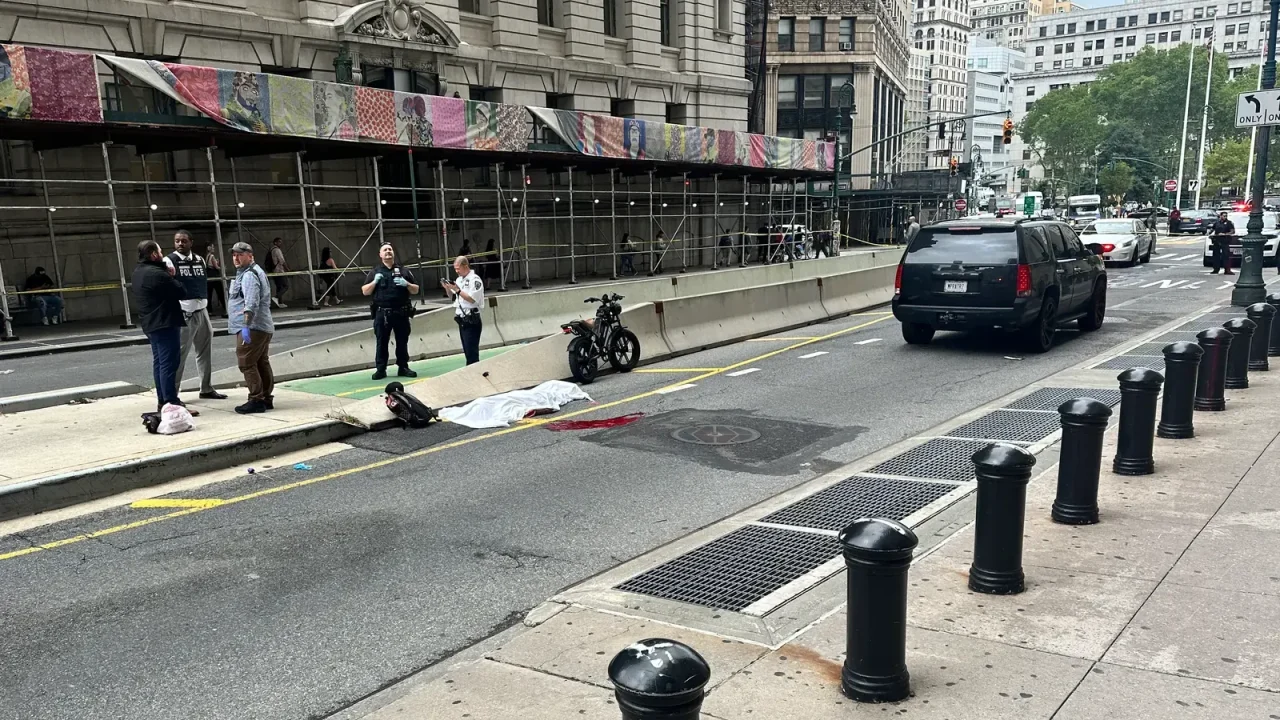
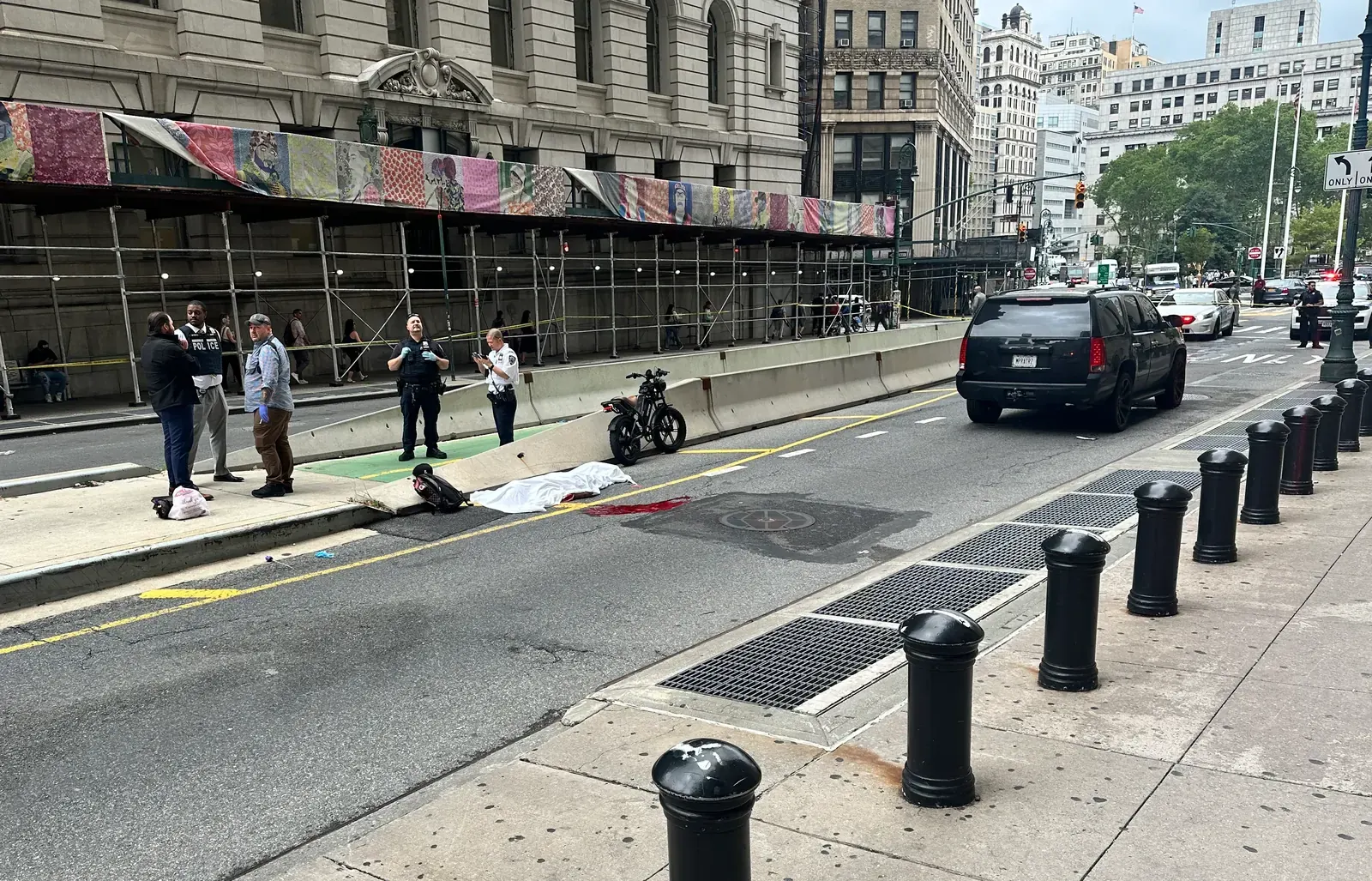
New York Attorney General Letitia James is preparing to issue a consumer alert targeting illegal e-motos, following a fatal crash that killed a 17-year-old rider and a growing outcry from advocates and politicians. The move, which mirrors a successful California campaign, could offer lessons for London, where similar over-powered electric bikes are sold online and used on streets despite being illegal under UK law.
The announcement came on 30 July 2026, hours after the death of Gabriel Nacato, who was riding a Deepower e-moto weighing over 100 pounds with a 1,500-watt motor – double the legal limit for a bicycle in New York. The vehicle was purchased online and could reach 30 miles per hour on throttle, with the seller’s website providing instructions to override the speed limiter and unlock speeds up to 50 mph. Nacato was killed on Centre Street in Lower Manhattan while commuting from his Bensonhurst home to a job in Manhattan. Police are still investigating whether he was hit by a car or struck a vehicle.
Por que importa
The crash is the third in a series of fatal incidents involving illegal e-motos in New York. In October 2025, Terri Valenti was killed after stepping off an MTA bus and being struck by two men on an illegal Movcan V30. In May 2026, Francis Delvalle died after a head-on collision with cyclist Dmytro Stechenko on the Queensboro Bridge while riding an illegal e-scooter capable of 50 mph.
At a rally near the crash site, Transportation Alternatives Executive Director Ben Furnas pointed to the success of a similar consumer alert issued by California’s attorney general. “A lot of these companies and Amazon.com stopped selling into the state of California. That’s the type of leadership that New Yorkers are hungry for,” he said. Public Advocate Jumaane Williams, whose office overlooks the crash site, said the death was “preventable” and called for stronger enforcement of existing laws. Mayor Mamdani also emphasised the need to rein in sales of illegal devices, while noting that safe street infrastructure remains the “North Star” of any safety regime.
Contexto
Key facts
| Aspect | Details |
|---|---|
| New York action | Attorney General to issue consumer alert against illegal e-motos after fatal crash |
| California precedent | Similar alert led Amazon and other retailers to stop sales into the state |
| UK legal limit | E-bikes must have pedal assist, motor ≤250W, speed limited to 15.5 mph |
| London parallel | Illegal e-motos and over-powered e-scooters are sold online and used on streets, enforcement is limited |
The New York case highlights a regulatory gap that also exists in London and the wider UK. Under current UK law, electric bicycles must have pedals, a motor no more than 250 watts, and assist only up to 15.5 mph. Any vehicle with a throttle or motor exceeding those limits – including the e-motos sold online as “e-bikes” – is classed as a motorcycle or moped and requires registration, insurance, number plates, and a driving licence. In practice, these vehicles are often used without compliance, and enforcement is sporadic.
London has seen a sharp increase in the use of illegal e-motos, particularly among delivery riders and young commuters. The Metropolitan Police have conducted occasional crackdowns, seizing hundreds of vehicles in operations such as “Operation Lightning,” but the scale of online sales makes enforcement difficult. Retailers based outside the UK often ship directly to customers, with product descriptions that blur the line between legal e-bikes and illegal motorbikes. A 2025 investigation by the London Assembly Transport Committee found that many online listings for “e-bikes” actually describe vehicles with motors up to 2,000 watts and speeds over 30 mph, far exceeding legal limits.
The New York response – a consumer alert targeting the entire supply chain – offers a model that London could adopt. The California alert did not just warn consumers; it pressured platforms like Amazon to remove listings and stop shipping illegal products into the state. In the UK, the Office for Product Safety and Standards (OPSS) has the power to issue recalls and enforce safety regulations, but it has not yet taken similar action against illegal e-motos. The Department for Transport’s ongoing review of e-scooter legislation could be an opportunity to tighten rules for all powered two-wheelers, including e-motos that masquerade as e-bikes.
For London planners and transport officials, the New York case also underscores the role of street design in preventing crashes. Mayor Mamdani’s comment that “the absence or presence of infrastructure is the determinative factor” applies equally to London. Safe cycling infrastructure, protected junctions, and lower speed limits can reduce the severity of collisions regardless of the vehicle type. The recent expansion of the Ultra Low Emission Zone and the introduction of more 20 mph streets in inner boroughs may help, but they do not address the root cause of illegal vehicles on the road.
What the New York push provides is a clear precedent for a supply-side intervention. If the UK government or the London Mayor were to coordinate with the OPSS and trading standards, a similar consumer alert could be issued, warning buyers that unregistered e-motos are illegal and dangerous, and instructing online marketplaces to remove listings. The California experience shows that this can quickly reduce availability. Given that many of the devices sold in London are the same models that appear in New York – brands like Deepower, Movcan, and others are sold on global platforms – a coordinated approach between US and UK regulators could amplify the impact.
The death of Gabriel Nacato is a reminder that illegal e-motos are not a niche issue. In London, where cycling and micro-mobility are growing, the presence of heavy, fast, and unregulated vehicles on cycle paths and roads creates a real danger for all users. The New York attorney general’s action shows that consumer alerts and supply-chain enforcement are viable tools. Whether London will follow suit remains to be seen. Advocates and transport committees should watch the outcome of James’s alert closely, and consider whether the UK’s own regulatory framework is strong enough to prevent similar tragedies.
Source: Streetsblog NYC, “Attorney General James To Act On Illegal E-Motos After Latest Fatal Crash,” https://nyc.streetsblog.org/2026/07/30/attorney-general-james-to-act-on-illegal-e-motos-after-latest-fatal-crash
Fuente
Streetsblog NYC Publicacion original: 2026-07-30T04:04:00+00:00
Related updates

When zoning reform meets private covenants: the HOA obstacle to backyard cottages
As more US cities rewrite zoning rules to allow accessory dwellings, private homeowners’ association covenants remain a barrier that reform alone cannot…
Read update
Seattle-Area Race Highlights Diverging Approaches to Housing, Transit and Tech Taxation
A Washington State legislative race in the 32nd District pits incrementalism against urgency on housing supply, transit funding and tech regulation, with…
Read update
New York court ruling on sanctuary policies carries implications for city-level immigration enforcement across the US
A federal judge has dismissed the Trump administration’s attempt to override New York City’s restrictions on immigration enforcement cooperation, citing state sovereignty.…
Read update
Automated license plate readers raise privacy, contract and oversight questions for UK cities
A new US-focused analysis of automated license plate recognition cameras highlights contract, privacy and oversight issues that London boroughs and Transport for…
Read update