
London Learning: Brooklyn Bridge Cycling Upgrades Offer Insights for Urban Infrastructure
Recent cycling infrastructure improvements at the Manhattan entrance of the Brooklyn Bridge, while specific to New York, offer valuable lessons for London's ongoing urban planning and transport strategies.
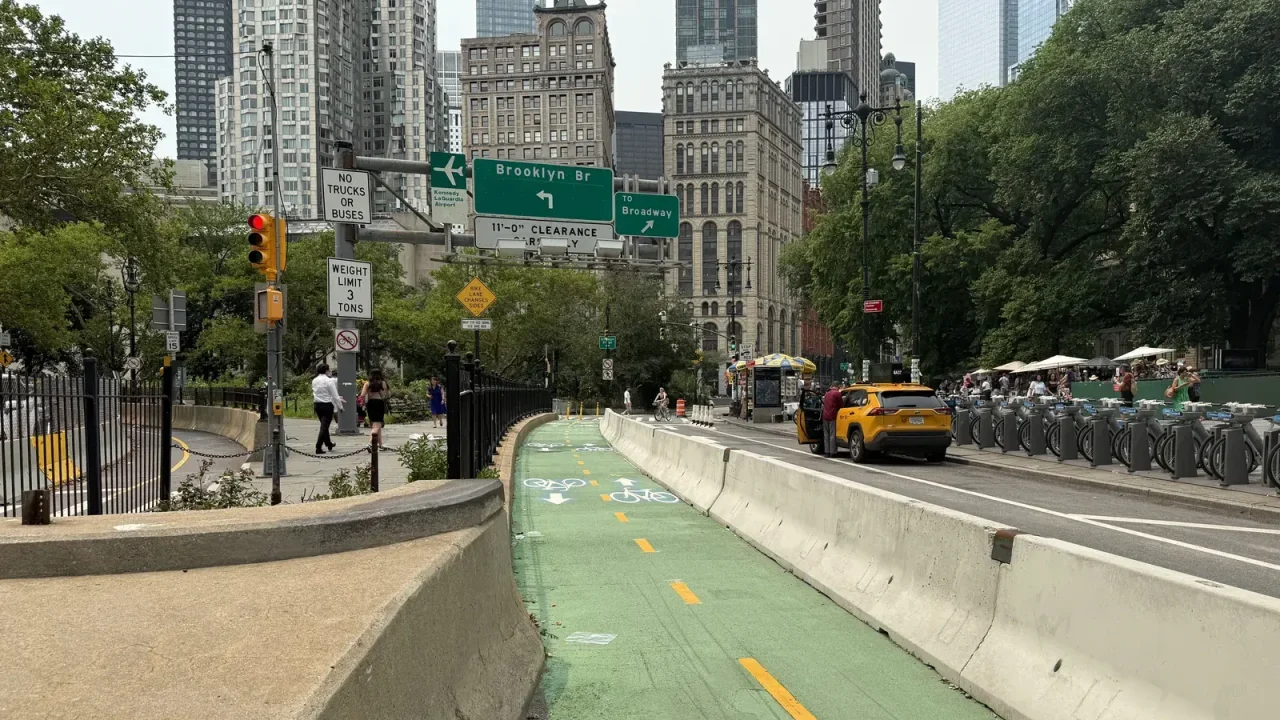
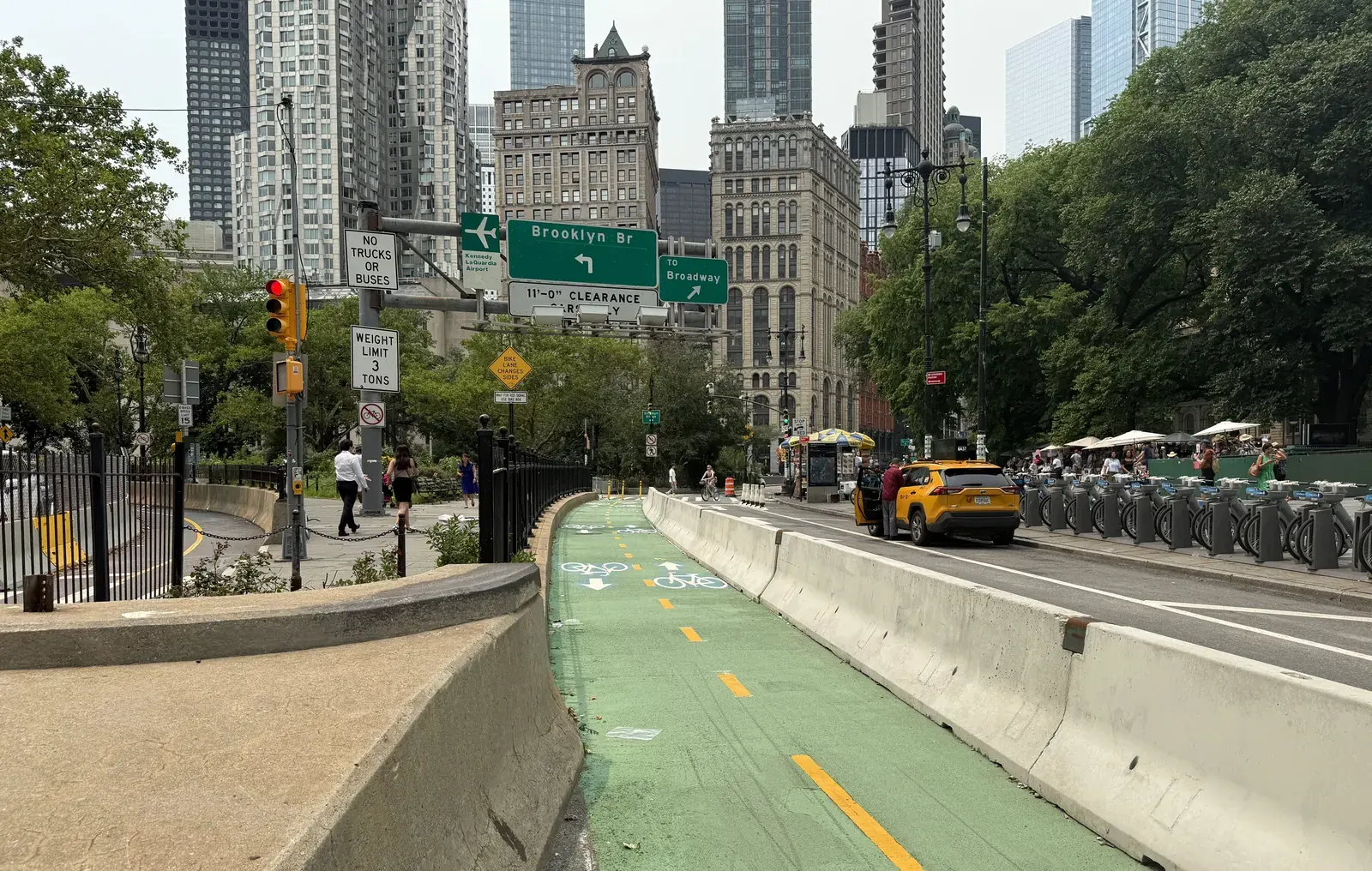
London’s urban planners and transport authorities often look to other major global cities for best practices and cautionary tales in infrastructure development. Recent developments at the Manhattan entrance to the Brooklyn Bridge in New York City offer a pertinent case study, showcasing both successful integration of cycling routes and persistent challenges in street safety and user navigation.
New York’s Department of Transportation (DOT) has completed a project aimed at providing dedicated space for cyclists and pedestrians at the Brooklyn Bridge’s Manhattan approach. This initiative builds upon a 2021 installation of a fully protected, two-way bike lane on the bridge itself, which significantly increased cycling usage. The bridge now sees an average of nearly 30,000 pedestrians and over 5,600 cyclists daily, according to the Office of the Mayor.
The previous setup often funnelled Lower Manhattan-bound cyclists into a crowded plaza, creating conflicts with pedestrians and cyclists attempting to access the bridge. The new scheme aims to alleviate this, particularly for those heading south from the bridge or approaching it from Lower Manhattan.
Key Improvements and Design Changes
The core of the recent upgrade involves reconfiguring the street layout to create a more intuitive and safer transition for cyclists. Previously, cyclists exiting the bridge and wishing to head downtown faced a sharp, often hazardous turn onto the pedestrian-dominated Brooklyn Bridge Promenade. This forced them to navigate through dense crowds, creating safety issues for both groups. Emily Jacobi, Manhattan organiser for Transportation Alternatives, highlighted the previous danger, stating, “You were being deposited right as cyclists are trying to get on the bridge crossing you, and then to get around them, you’re biking into pedestrians. So, there was no way to actually safely get off the bridge and onto Centre Street.”
The new design provides two distinct options for cyclists exiting the bridge:
* Northbound Route: Cyclists can continue north through the intersection with Chambers Street onto the existing protected bike lane on Centre Street.
* Southbound Route (Lower Manhattan): A new, dedicated bike-only intersection allows for a hairpin turn onto a protected southbound lane. This lane was repurposed from a previously superfluous car lane on the bridge approach. This protected path extends to the intersection of Centre Street and the Brooklyn Bridge Promenade, where cyclists now have their own green-painted crosswalk adjacent to the pedestrian crossing. This connects the east-side bike lane to a route continuing south down Park Row.
Impact on Road Space and Congestion
To accommodate these cycling enhancements, the space allocated to vehicular traffic on Centre Street has been reduced. What was once two lanes plus a parking lane is now a single lane with a cross-hatched no-standing zone. While this prioritises active travel, observations by Streetsblog NYC indicate that congestion caused by cars, particularly those moving and parking illegally, persists. One instance noted a truck illegally parked in the new bike crosswalk, hindering the flow for cyclists. Records showed the truck had nearly 30 parking violations, underscoring ongoing enforcement challenges.
Emerging Challenges and Lessons for London
Despite the significant improvements, the project is not without its flaws, offering crucial insights for London’s infrastructure projects:
- Intersection Design and Wayfinding: Cyclists continuing north past the new bike-only intersection quickly encounter the Centre and Chambers streets intersection. Here, the bike lane subtly juts into a pedestrian sidewalk crossing, leading pedestrians to mistakenly use it as a crossing island, posing a hazard to both cyclists and walkers. The sharp turn from the main bike lane onto the new southbound lane also confuses first-time users. Sergio Guerrero, a cyclist, remarked on the confusion, ending up at the wrong intersection. Jacobi suggests that minimal signage exacerbates these issues for a “flawed and imperfect” design, making wayfinding a significant challenge.
- Connectivity and Integrated Networks: A broader issue highlighted is the lack of seamless integration with wider cycling networks. Jacobi pointed out that the Brooklyn Bridge bike path still lacks direct connections to other significant greenways in Manhattan, such as the popular Hudson River Greenway, despite calls from cyclists for a connecting lane on Chambers Street. This echoes concerns often raised in London regarding fragmented cycle networks and the need for comprehensive, well-connected routes. “We’re still sort of lacking that safe route to the west-side,” Jacobi noted, adding that “We’ve seen the city stalling on getting those connector bike lanes, getting people to greenways, which is a lot of what people are biking over the bridge to do.”
What London can Learn
The Brooklyn Bridge project underscores several critical considerations for London’s urban development:
Prioritising Active Travel: The willingness to reallocate road space from vehicles to cycling and walking infrastructure, even if imperfect, sets a precedent. London’s ongoing efforts to create Low Traffic Neighbourhoods and new cycleways reflect a similar ambition, but the New York example shows the importance of bold implementation.
2. User-Centric Design: While the Brooklyn Bridge improvements address core issues, the emerging problems with signage, sharp turns, and pedestrian-cyclist conflict points highlight the necessity of extensive user testing and feedback loops in the design process. London’s street design guidelines must continuously evolve to ensure intuitiveness and safety for all users.
3. Network Integration: The call for better connections to greenways in New York is directly applicable to London. Fragmented cycle routes reduce their overall utility and appeal. TfL and London boroughs must prioritise connecting existing and new cycle infrastructure into cohesive, city-wide networks.
4. Enforcement and Behavioural Change: The persistence of illegal parking and traffic violations, despite infrastructure changes, illustrates that physical alterations must be accompanied by effective enforcement and public education campaigns to foster behavioural change.
Summary of Key Details
| Point | Detail | Point | Detail |
|——————————————-|——————————————————————————————————————————————————————————————————————————————————————————————————————————————————————————————————————————————————————————————————————————————————————————————————————————————————————————————————————————————————————————————————————————————————————————————————————————————————————————————————————————————————————————————————————————————————————————————————————————————————————————————————————————————————————————————————————————————————————————————————————————————————————————————————————————————————————————————————————————————————————————————————————————————————————————————————————————————————————————————————————————————————————————————————————————————————————————————————————————————————————————————————————————————————————————————————————————————————————————————————————————————————————————————————————————————————————————————————————————————————————————————————————————————————————————————————————————————————————————————————————————————————————————————————————————————————————————————————————————————————————————————————————————————————————————————————————————————————————————————————————————————————————————————————————————————————————————————————————————————————————————————————————————————————————————————————————————————————————————————————————————————————————————————————————————————————————————————————————————————————————————————————————————————————————————————————————————————————————————————————————————————————————————————————————————————————————————————————————————————————————————————————————————————————————————————————————————————————————————————————————————————————————————————————————————————————————————————————————————————————————————————————————————————————————————————————————————————————————————————————————————————————————————————————————————————————————————————————————————————————————————————————————————————————————————————————————————————————————————————————————————————————————————————————————————————————————————————————————————————————————————————————————————————————————————————————————————————————————————————————————————————————————————————————————————————————————————————————————————————————————————————————————————————————————————————————————————————————————————————————————————————————————————————————————————————————————————————————————————————————————————————————————————————————————————————————————————————————————————————————————————————————————————————————————————————————————————————————————————————————————————————————————————————————————————————————————————————————————————————————————————————————————————————————————————————————————————————————————————————————————————————————————————————————————————————————————————————————————————————————————————————————————————————————————————————————————————————————————————————————————————————————————————————————————————————————————————————————————————————————————————————————————————————————————————————————————————————————————————————————————————————————————————————————————————————————————————————————————————————————————————————————————————————————————————————————————————————————————————————————————————————————————————————————————————————————————————————————————————————————————————————————————————————————————————————————————————————————————————————————————————————————————————————————————————————————————————————————————————————————————————————————————————————————————————————————————————————————————————————————————————————————————————————————————————————————————————————————————————————————————————————————————————————————————————————————————————————————————————————————————————————————————————————————————————————————————————————————————————————————————————————————————————————————————————————————————————————————————————————————————————————————————————————————————————————————————————————————————————————————————————————————————————————————————————————————————————————————————————————————————————————————————————————————————————————————————————————————————————————————————————————————————————————————————————————————————————————————————————————————————————————————————————————————————————————————————————————————————————————————————————————————————————————————————————————————————————————————————————————————————————————————————————————————————————————————————————————————————————————————————————————————————————————————————————————————————————————————————————————————————————————————————————————————————————————————————————————————————————————————————————————————————————————————————————————————————————————————————————————————————————————————————————————————————————————————————————————————————————————————————————————————————————————————————————————————————————————————————————————————————————————————————————————————————————————————————————————————————————————————————————————————————————————————————————————————————————————————————————————————————————————————————————————————————————————————————————————————————————————————————————————————————————————————————————————————————————————————————————————————————————————————————————————————————————————————————————————————————————————————————————————————————————————————————————————————————————————————————————————————————————————————————————————————————————————————————————————————————————————————————————————————————————————————————————————————————————————————————————————————————————————————————————————————————————————————————————————————————————————————————————————————————————————————————————————————————————————————————————————————————————————————————————————————————————————————————————————————————————————————————————————————————————————————————————————————————————————————————————————————————————————————————————————————————————————————————————————————————————————————————————————————————————————————————————————————————————————————————————————————————————————————————————————————————————————————————————————————————————————————————————————————————————————————————————————————————————————————————————————————————————————————————————————————————————————————————————————————————————————————————————————————————————————————————————————————————————————————————————————————————————————————————————————————————————————————————————————————————————————————————————————————————————————————————————————————————————————————————————————————————————————————————————————————————————————————————————————————————————————————————————————————————————————————————————————————————————————————————————————————————————————————————————————————————————————————————————————————————————————————————————————————————————————————————————————————————————————————————————————————————————————————————————————————————————————————————————————————————————————————————————————————————————————————————————————————————————————————————————————————————————————————————————————————————————————————————————————————————————————————————————————————————————————————————————————————————————————————————————————————————————————————————————————————————————————————————————————————————————————————————————————————————————————————————————————————————————————————————————————————————————————————————————————————————————————————————————————————————————————————————————————————————————————————————————————————————————————————————————————————————————————————————————————————————————————————————————————————————————————————————————————————————————————————————————————————————————————————————————————————————————————————————————————————————————————————————————————————————————————————————————————————————————————————————————————————————————————————————————————————————————————————————————————————————————————————————————————————————————————————————————————————————————————————————————–
Datos clave
| Punto | Detalle |
|---|---|
| Fuente | Streetsblog NYC |
| Fecha | 2026-07-22T04:02:00+00:00 |
| Tema | Eyes on the Street: Brooklyn Bridge Cyclists Finally Get A Grand Manhattan Gateway |
Fuente
Streetsblog NYC Publicacion original: 2026-07-22T04:02:00+00:00
Related updates

When zoning reform meets private covenants: the HOA obstacle to backyard cottages
As more US cities rewrite zoning rules to allow accessory dwellings, private homeowners’ association covenants remain a barrier that reform alone cannot…
Read update
Seattle-Area Race Highlights Diverging Approaches to Housing, Transit and Tech Taxation
A Washington State legislative race in the 32nd District pits incrementalism against urgency on housing supply, transit funding and tech regulation, with…
Read update
New York court ruling on sanctuary policies carries implications for city-level immigration enforcement across the US
A federal judge has dismissed the Trump administration’s attempt to override New York City’s restrictions on immigration enforcement cooperation, citing state sovereignty.…
Read update
Automated license plate readers raise privacy, contract and oversight questions for UK cities
A new US-focused analysis of automated license plate recognition cameras highlights contract, privacy and oversight issues that London boroughs and Transport for…
Read updateWiki relacionada

Urban Planning Terms: Density, Public Realm and Transit-Oriented Development
A living glossary for terms that appear again and again in planning and development stories.
Read update