
Lime Expands E-Bike and E-Scooter Services in Select Cities
Micromobility operator Lime is enhancing its e-bike and e-scooter offerings in cities hosting major sporting events, drawing on experience from previous large-scale international competitions.
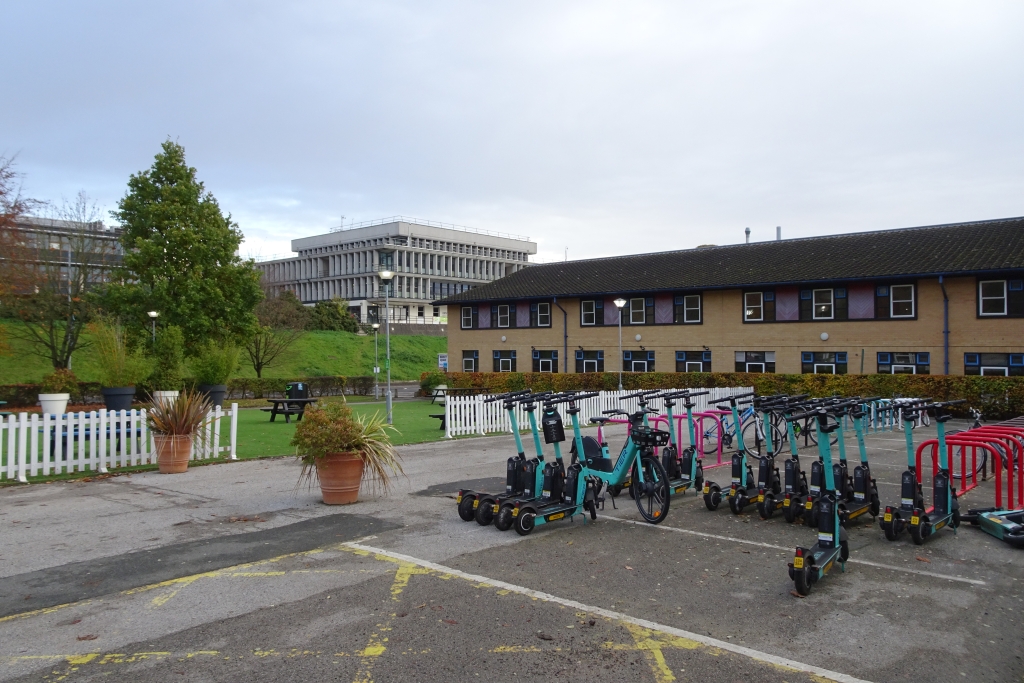
Micromobility operator Lime is set to expand its e-bike and e-scooter services in cities designated to host the upcoming World Cup. This strategic move aims to bolster urban transport options for attendees and residents during the major international sporting event. The company plans to adjust its operational strategies and introduce new service features, including a 90-minute fixed-rate pass, to cater to the increased demand and unique mobility needs associated with such large-scale gatherings.
Drawing upon its operational experience from previous high-profile international events, such as the Paris and Milan Olympic Games, Lime is refining its approach to service deployment and customer offerings. The company has identified that major sporting events present both opportunities and challenges for urban mobility. The influx of spectators, combined with potential disruptions to regular public transport schedules, necessitates flexible and readily available alternative transportation solutions.
Por que importa
The introduction of a 90-minute fixed-rate pass is designed to offer users predictable pricing and a convenient way to navigate between venues, accommodations, and other key locations within the host cities. This pricing model aims to simplify the user experience, particularly for tourists and event-goers who may be unfamiliar with local transport systems and pricing structures. By offering a clear, all-inclusive rate for a defined period, Lime seeks to encourage wider adoption of its services as a primary mode of transport during the event.
Lime’s decision to scale up its operations in World Cup cities reflects a broader trend of micromobility providers playing an increasingly significant role in the transportation ecosystems of major urban centers. As cities grapple with congestion, emissions, and the need for efficient last-mile connectivity, services like e-bikes and e-scooters are becoming integral components of sustainable urban mobility strategies. The success of these services during major events can also serve as a valuable case study for their integration into daily urban life.
Contexto
The company’s experience at the Paris Olympics and the Milan 2026 Winter Olympics provided critical insights into managing fleet distribution, charging logistics, and user demand spikes in densely populated areas under pressure. These learnings are expected to inform Lime’s operational planning for the World Cup, ensuring a more robust and responsive service for users. This includes optimizing the placement of vehicles to match anticipated travel patterns and ensuring sufficient availability of charged units throughout the event.
While the specific World Cup cities where Lime will be enhancing its services have not been fully detailed, the company’s past involvement in major sporting events suggests a focus on cities with existing robust public transport networks that can be complemented by micromobility options. The goal is not to replace traditional public transport but to offer a complementary service that fills gaps, provides flexibility, and reduces reliance on single-occupancy vehicles.
The expansion of e-bike and e-scooter services by operators like Lime is also aligned with global efforts to promote sustainable transportation and reduce carbon footprints in urban environments. By providing accessible and emission-free alternatives to car travel, micromobility contributes to cleaner air and less congested streets. The World Cup, with its global spotlight, presents an opportunity to showcase these sustainable solutions on an international stage.
The challenges of managing a large fleet of shared mobility devices in a high-demand environment are considerable. These include ensuring equitable distribution across different neighborhoods, preventing sidewalk clutter, and maintaining vehicle availability through efficient rebalancing and charging operations. Lime’s focus on adapting its operations based on past event experiences indicates a commitment to addressing these logistical hurdles proactively. The success of these efforts will be crucial for the overall user experience and the positive integration of micromobility into the event’s transportation plan.
Further details on the specific cities, fleet sizes, and the rollout of the new pricing structure are expected to be announced by Lime in the lead-up to the World Cup. The company’s preparedness and operational agility will be key factors in its ability to meet the demands of one of the world’s largest sporting spectacles.
Key facts
| Aspect | Detail |
| :—————— | :——————————————————————— |
| Operator | Lime |
| Service Expansion | E-bikes and e-scooters |
| Event Context | World Cup cities |
| Key Feature | 90-minute fixed-rate pass |
| Learning Source | Paris and Milan Olympic Games experience |
The expansion by Lime highlights the growing importance of flexible and sustainable micromobility solutions in supporting urban transport, particularly during periods of heightened demand such as major international events. By leveraging past operational data and introducing user-centric pricing, the company aims to enhance mobility options for attendees and contribute to a smoother event experience.
Source: Smart Cities Dive, https://www.smartcitiesdive.com/news/lime-ebikes-escooters-world-cup-cities/822602/
Datos clave
| Punto | Detalle |
|---|---|
| Fuente | Smart Cities Dive |
| Fecha | 2026-06-11T15:20:00+00:00 |
| Tema | Lime adds more e-bikes and e-scooters at select World Cup cities |
Fuente
Smart Cities Dive Publicacion original: 2026-06-11T15:20:00+00:00
Related updates
Seattle social housing land deal offers lessons for London’s community-led delivery
Seattle’s social housing developer has acquired its first site for a mixed-income project, aiming for 1,000 homes by end of 2026. The…
Read update
When zoning reform meets private covenants: the HOA obstacle to backyard cottages
As more US cities rewrite zoning rules to allow accessory dwellings, private homeowners’ association covenants remain a barrier that reform alone cannot…
Read update
Seattle-Area Race Highlights Diverging Approaches to Housing, Transit and Tech Taxation
A Washington State legislative race in the 32nd District pits incrementalism against urgency on housing supply, transit funding and tech regulation, with…
Read update
New York court ruling on sanctuary policies carries implications for city-level immigration enforcement across the US
A federal judge has dismissed the Trump administration’s attempt to override New York City’s restrictions on immigration enforcement cooperation, citing state sovereignty.…
Read update