
Los Angeles Fast-Track Housing Model Sparks Debate as First 80-Unit Building Opens
Los Angeles has completed its first 100 percent affordable housing project under Mayor Karen Bass’s Executive Directive 1, raising questions for urban planners on how speed intersects with community engagement in housing delivery.
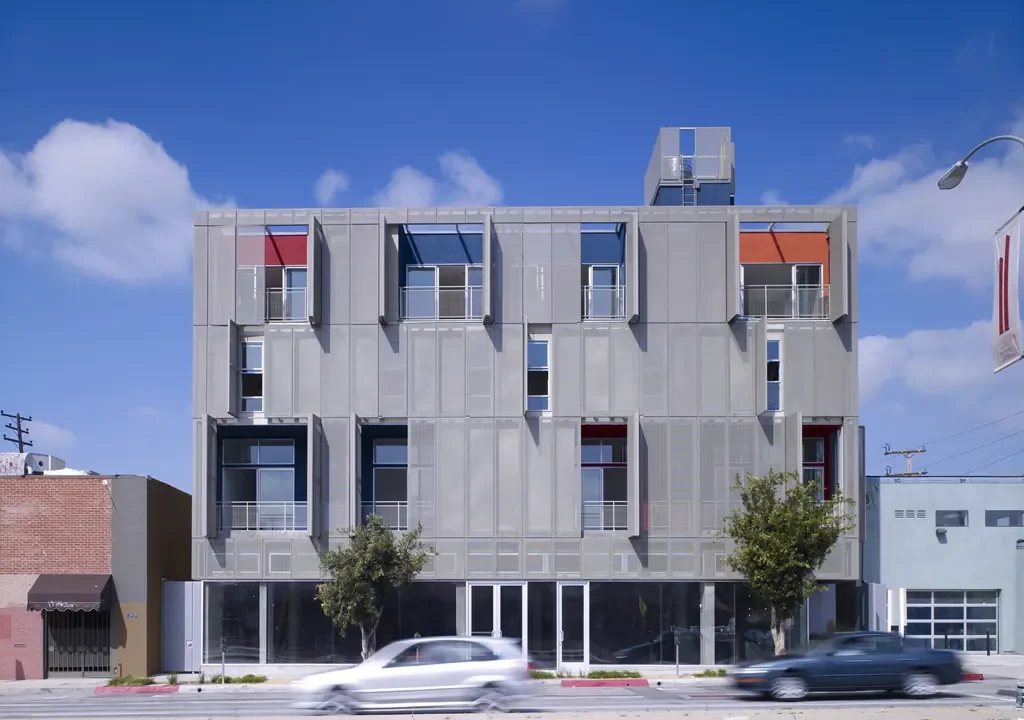
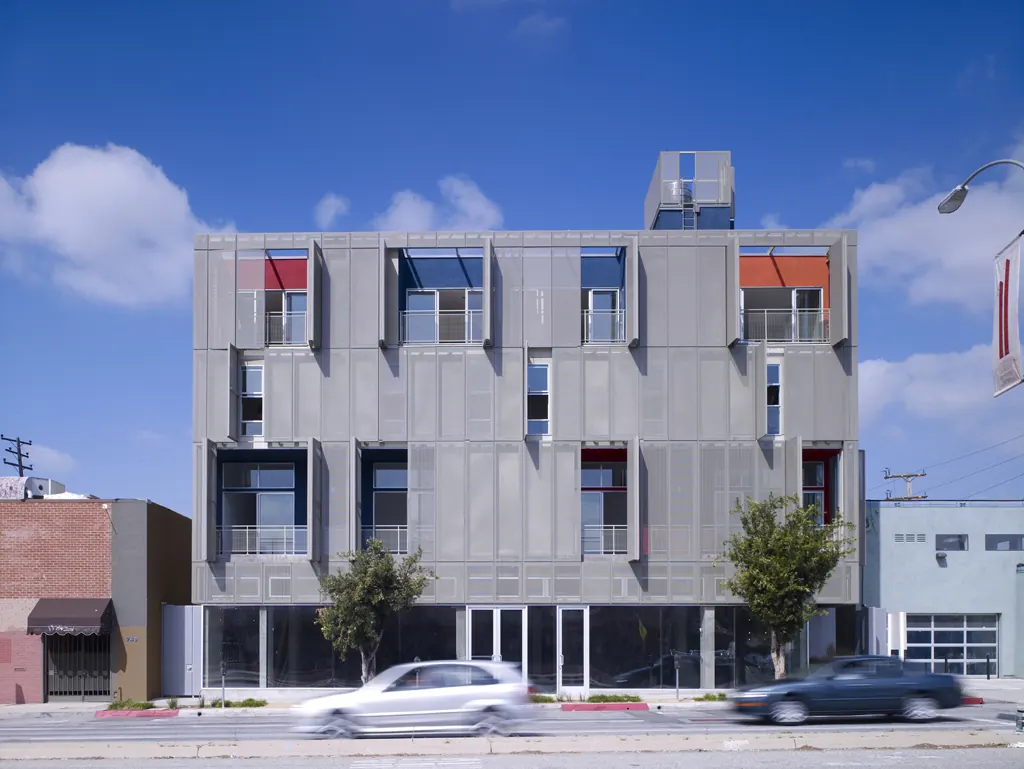
The First Milestone of Executive Directive 1
Los Angeles officials have marked a significant milestone in municipal permitting reform with the completion of an 80-unit affordable housing development in the Koreatown neighborhood. According to reporting from The Korea Daily, the project is the first to be fully completed under Executive Directive 1 (ED 1), an administrative initiative introduced by Mayor Karen Bass shortly after taking office in late 2022.
The policy is designed to address acute housing supply shortages by fundamentally altering the standard municipal review pathway. By bypassing traditional discretionary reviews, prolonged public hearings, and extended City Council debates, the directive attempts to compress development timelines for 100 percent affordable housing schemes. For urban planners and housing advocates watching municipal bottlenecks across global cities, the Los Angeles experiment offers a high-profile test case in administrative acceleration.
Key facts
| Metric | Detail |
| :— | :— |
| Project Scope | 80 affordable housing units |
| Location | Koreatown, Los Angeles |
| Policy Instrument | Executive Directive 1 (ED 1) |
| Primary Impact | Bypasses discretionary reviews and public hearings |
Streamlining the Development Pipeline
The core mechanism of Executive Directive 1 targets the pre-construction administrative phase, which often accounts for months or years of delay in urban housing delivery. Under standard procedures, multi-family housing proposals in Los Angeles frequently encounter multiple layers of environmental evaluation, neighborhood council reviews, and political appeals before securing building permits.
By designating qualifying 100 percent affordable projects for administrative sign-off, ED 1 removes discretionary hurdles. According to project developers cited in the reporting, this streamlined approach has reduced the timeline from initial application to move-in readiness to under two years. For cities struggling with high construction financing costs and protracted project lifecycles, administrative predictability remains a primary objective of modern housing policy reform.
Weighing Speed Against Public Scrutiny
While housing developers and advocates praise the reduction in administrative friction, fast-track municipal mechanisms frequently spark debate regarding public participation and neighborhood voice. Discretionary reviews and public hearings have historically provided platforms for local residents, community organizations, and local stakeholders to raise concerns about scale, infrastructure capacity, architectural fit, and local displacement pressures.
Bypassing these stages to accelerate housing delivery shifts the planning paradigm toward administrative efficiency. Urban governance scholars note that while this approach can deliver much-needed shelter more rapidly, it requires robust baseline zoning codes and objective design standards to ensure that project quality, neighborhood integration, and tenant livability are maintained without ad-hoc public oversight.
Implications for Broader Urban Housing Strategies
The successful completion of the Koreatown development serves as a proof of concept for the municipal administration and housing advocates. Proponents hope that demonstrating a functional fast-track model will encourage broader adoption of income-restricted housing projects across Los Angeles neighborhoods, proving that affordable developments can clear bureaucratic hurdles efficiently.
For international urban observers, the Los Angeles initiative mirrors ongoing debates in other major metropolitan regions regarding planning deregulation, zoning reform, and state-level overrides aimed at tackling housing crises. Whether administrative acceleration can be scaled sustainably without compromising long-term urban planning standards remains a central question for cities balancing urgent housing demand with comprehensive urban governance.
Source: Planetizen News, https://www.planetizen.com/news/2026/08/138178-80-unit-affordable-building-first-open-under-las-fast-track-development-program
Datos clave
| Punto | Detalle |
|---|---|
| Fuente | Planetizen News |
| Fecha | 2026-08-09T16:00:00+00:00 |
| Tema | 80-unit affordable building is the first to open under LA's fast-track development program |
Fuente
Planetizen News Publicacion original: 2026-08-09T16:00:00+00:00
Related updates

New York Poll Shows Overwhelming Bipartisan Support for Apartments Near Transit, Highlighting Contrast with London’s Own Housing Debate
A new poll from Open New York finds 79% of voters support building multi-family homes near rail stations, as the governor’s race…
Read update
Seattle City Attorney Launches New Community Court and Repeat Offender Programme Amid Public Defender Concerns
Seattle City Attorney Erika Evans has launched Connection Court, a new community court programme, alongside a punitive High-Priority Repeat Offenses system. The…
Read update
Seattle’s Centers & Corridors Zoning Update Delayed by Environmental Review Ruling
A state hearings board ruling has forced Seattle to rework the environmental impact statement for its twenty-year growth plan, pushing the next…
Read update
FEMA disaster mitigation grants freeze threatens to stall UK resilience learning, planners warn
A US Government Accountability Office report says $2.2 billion in FEMA Building Resilient Infrastructure and Communities grants remain unresolved, delaying more than…
Read update