
Los Angeles Unlocks Thousands of Affordable Homes Through Adaptive Reuse and New Construction
A significant initiative in Los Angeles aims to deliver 4,000 affordable housing units by repurposing existing structures and undertaking new builds, with the former LA World Trade Center leading the charge.
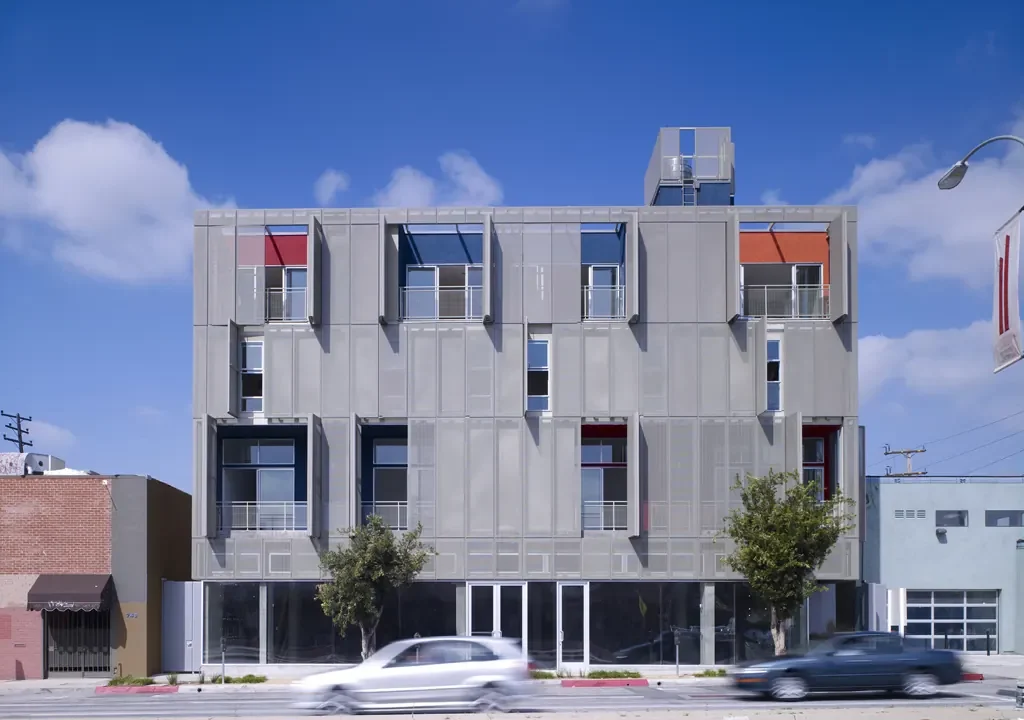
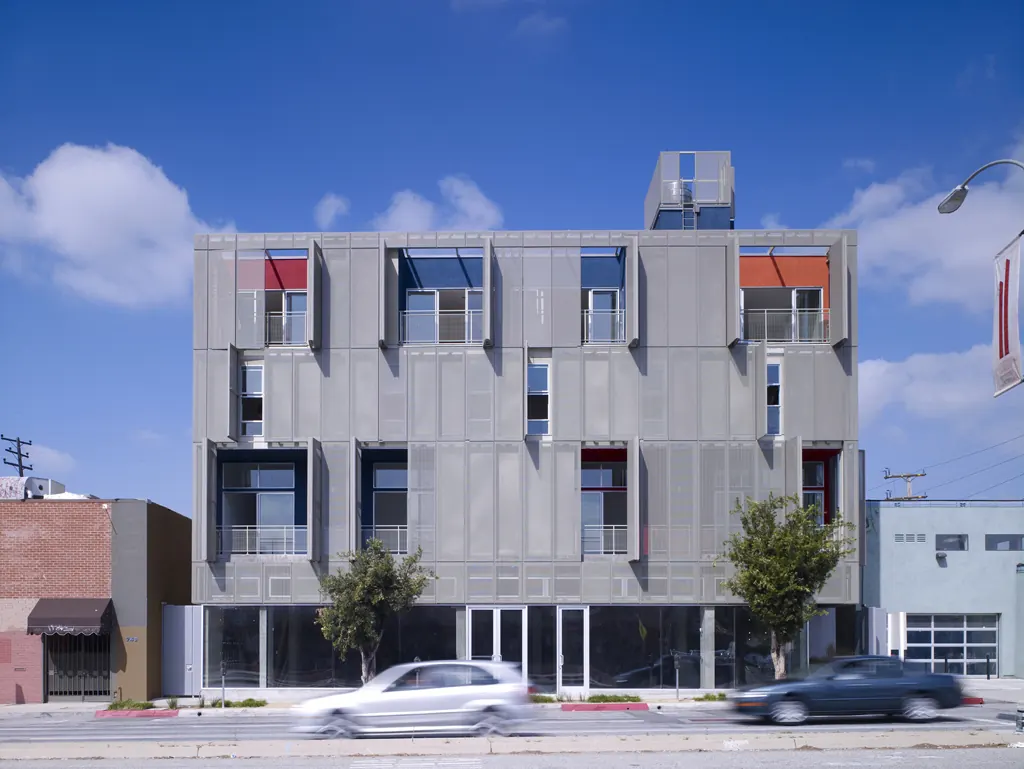
Los Angeles is embarking on a substantial effort to increase its affordable housing stock, with plans to deliver approximately 4,000 units through a dual strategy of adaptive reuse of existing buildings and new construction. This initiative is poised to address the city’s ongoing housing crisis by repurposing underutilized structures and creating new residential opportunities.
Adaptive Reuse Initiative Kicks Off
The project’s initial phase will see the former LA World Trade Center transformed into 512 affordable housing units. This adaptive reuse project signifies a key component of the broader strategy, aiming to efficiently add housing by leveraging existing infrastructure rather than starting from scratch. The conversion of this prominent building is expected to set a precedent for similar developments across the city, demonstrating the potential of repurposing commercial spaces into much-needed residential units.
A Partnership for Affordable Housing
This ambitious housing goal is being pursued through a partnership between Kennedy Wilson and Jamison. The collaboration focuses on creating a significant number of affordable homes, targeting various income levels to serve a wider range of Los Angeles residents. This strategic alliance aims to leverage the expertise of both organizations in development, finance, and community engagement to accelerate the delivery of these crucial housing units.
The scale of this initiative underscores the urgency of the affordable housing challenge in Los Angeles. As the city continues to grow, ensuring access to stable and affordable housing remains a critical priority for its residents and policymakers. The focus on adaptive reuse, in particular, offers an innovative approach to urban regeneration, potentially revitalizing areas while simultaneously addressing housing needs.
Key facts
| Factor | Detail |
|---|---|
| Target Units | 4,000 affordable housing units |
| Strategy | Adaptive reuse and new construction |
| Initial Project | Conversion of former LA World Trade Center to 512 units |
| Partners | Kennedy Wilson and Jamison |
| Location | Los Angeles |
Impact on Urban Development
The initiative’s reliance on adaptive reuse is a notable trend in urban development, as cities worldwide seek sustainable and efficient ways to expand their housing supply. By converting non-residential buildings into homes, Los Angeles can potentially reduce urban sprawl, preserve architectural heritage, and create vibrant mixed-use neighborhoods. This approach also offers environmental benefits by reducing the need for new construction materials and energy.
The addition of 4,000 affordable units is expected to have a tangible impact on the city’s housing landscape. It could help alleviate pressure on the rental market, provide more stable housing options for low- and moderate-income families, and contribute to greater economic diversity within neighborhoods. The success of this project could also influence future urban planning policies in Los Angeles and other major cities facing similar housing shortages.
Challenges and Future Outlook
While the initiative promises significant benefits, the complexities of adaptive reuse projects, such as zoning regulations, building code compliance, and the cost of retrofitting older structures, will need to be carefully managed. The partnership’s ability to navigate these challenges will be crucial for the timely and successful delivery of the planned housing units.
The long-term success of this endeavor will depend on continued political will, innovative financing mechanisms, and effective collaboration between public and private sectors. As Los Angeles continues to grapple with its housing affordability crisis, initiatives like this offer a beacon of hope for creating a more equitable and sustainable urban future.
Source: Smart Cities Dive, https://www.smartcitiesdive.com/news/kennedy-wilson-jamison-partnership-affordable-housing-la/824710/
Fuente
Smart Cities Dive Publicacion original: 2026-07-08T16:08:00+00:00
Related updates
New York Poll Shows Overwhelming Bipartisan Support for Apartments Near Transit, Highlighting Contrast with London’s Own Housing Debate
A new poll from Open New York finds 79% of voters support building multi-family homes near rail stations, as the governor’s race…
Read update
Seattle City Attorney Launches New Community Court and Repeat Offender Programme Amid Public Defender Concerns
Seattle City Attorney Erika Evans has launched Connection Court, a new community court programme, alongside a punitive High-Priority Repeat Offenses system. The…
Read update
Seattle’s Centers & Corridors Zoning Update Delayed by Environmental Review Ruling
A state hearings board ruling has forced Seattle to rework the environmental impact statement for its twenty-year growth plan, pushing the next…
Read update
FEMA disaster mitigation grants freeze threatens to stall UK resilience learning, planners warn
A US Government Accountability Office report says $2.2 billion in FEMA Building Resilient Infrastructure and Communities grants remain unresolved, delaying more than…
Read update