
Kirkland wage-floor vote could set Eastside precedent for essential-worker pay
Kirkland City Council will consider a minimum wage ordinance on October 6, potentially becoming the first Eastside city to match King County’s wage floor. The decision follows a merged study on wages and competitiveness, with five councilmembers who pledged support during their campaigns.
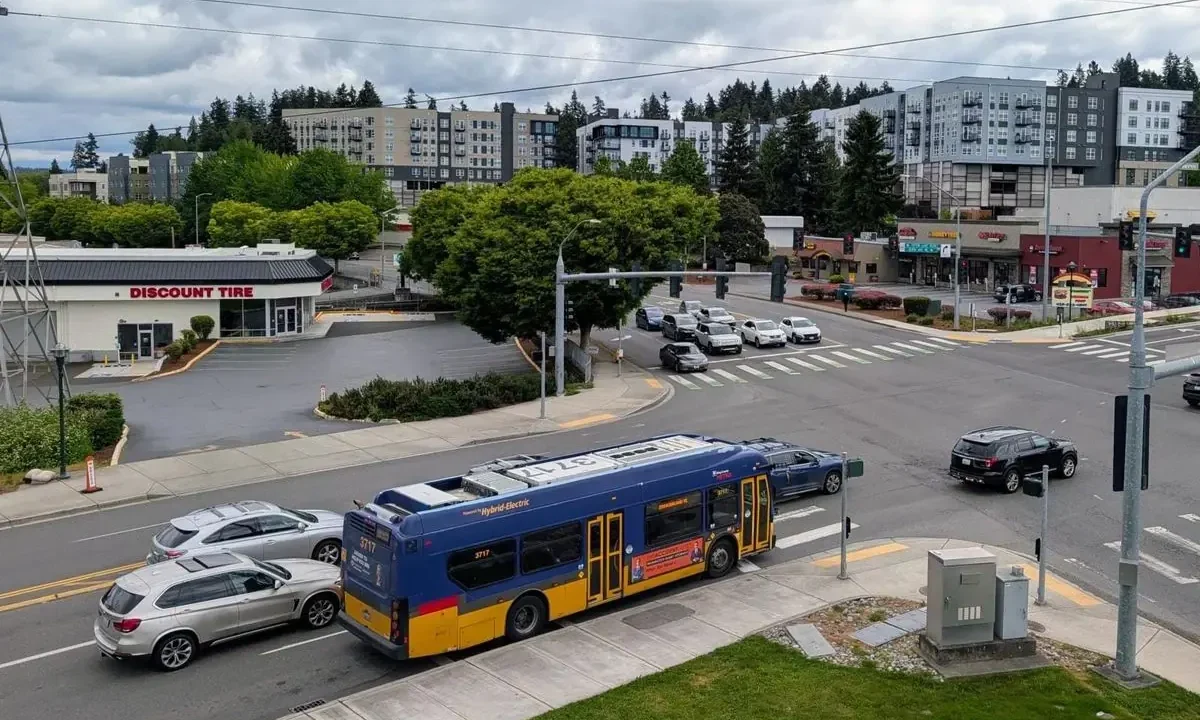
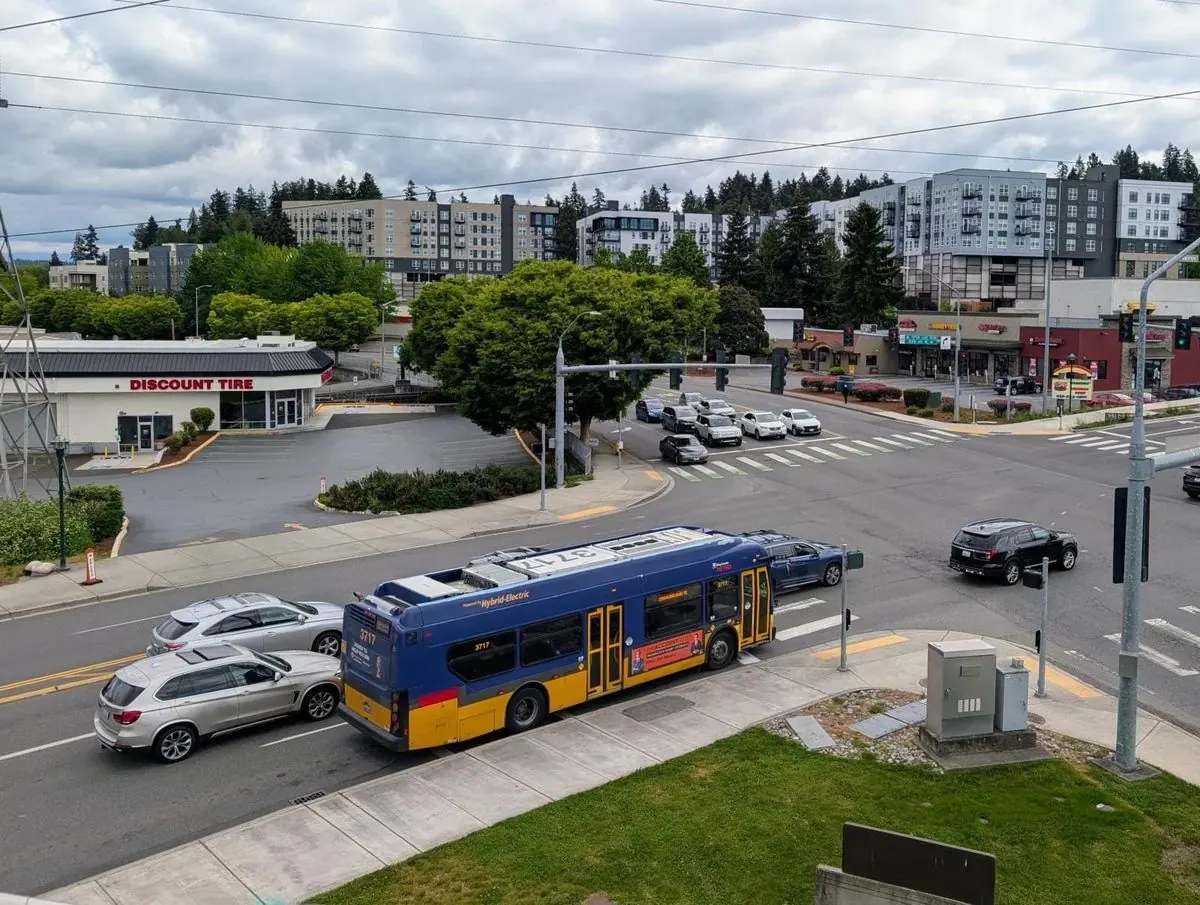
Kirkland will become the first city on Seattle’s Eastside to vote on raising its minimum wage when the City Council considers a wage-floor ordinance on October 6. The decision could set a precedent for other Eastside and Northshore cities where tens of thousands of essential workers earn Washington state’s floor of $17.13 per hour — between $3 and $4.50 less than workers in Seattle, unincorporated King County, SeaTac, Tukwila, Burien, Renton and Everett.
The council will receive a merged study on wages and economic competitiveness, prepared by the City Manager, on Friday October 2, just days before the vote. The study combines a minimum wage analysis requested in April by Councilmembers Amy Falcone and John Tymczyszyn, which passed 6-1, with a competitiveness study requested by the lone dissenter, Jon Pascal. Five councilmembers — Falcone, Tymczyszyn, Neal Black, Jay Arnold and Shilpa Prem — committed to raising the wage floor to Seattle or King County levels during their election campaigns.
Key facts
| Detail | Information |
|—|—|
| Current wage floor in Kirkland | $17.13 per hour (Washington state minimum) |
| Wage gap with Seattle / King County | $3 to $4.50 per hour higher in those jurisdictions |
| Council vote on study request | 6-1 in April 2025 |
| Councilmembers with campaign pledges | Falcone, Tymczyszyn, Black, Arnold, Prem |
Why the wage gap matters for housing
Kirkland’s wage disparity is particularly acute because the cost of living on the Eastside is higher than in Seattle or Renton. Median household incomes in Kirkland exceed $150,000, pricing out most low-wage workers who must commute from cheaper areas. Raising the wage floor, the op-ed argues, can be the difference between working one or two jobs, paying rent or living in a car, and forgoing medical care or prescriptions.
The city has made recent efforts to increase affordable housing supply through zoning changes, funding and creative policies, but the authors — Lam, Schrader and Danielle, representing the Transit Riders Union, the 45th District Democrats and Working Washington respectively — contend that wage policy is a necessary complement. Homelessness in wealthy areas, they write, is largely driven by wages that cannot cover rent.
King County model as template
The op-ed urges Kirkland to adopt the wage floor that King County applied to unincorporated areas in May 2024, when the county council passed an ordinance 6-2 with support from Eastside Democrats Sarah Perry and Claudia Balducci. That ordinance phases in increases for small businesses — those with 15 or fewer employees and annual gross revenue under $2 million — with a $0.50 annual increase plus inflation until parity in 2031. Small businesses are not exempted, the authors note, because their employees face the same housing costs.
The authors point to Seattle’s experience with its minimum wage, introduced in 2014, where predictions of business closures and job losses proved incorrect. New restaurants continue to open in Seattle, which has a wage floor $4 per hour above Kirkland’s.
Political and policy context
The op-ed places the Kirkland vote within broader Democratic Party priorities. Raising the minimum wage is described as a central pillar of the party, and even Kirkland’s opposition candidates supported a local equivalent to King County’s during the last election. The merged study, the authors warn, may frame the choice as one between raising wages and protecting economic vitality — a dichotomy they call false, citing evidence from Seattle and national research.
The vote also comes against a backdrop of federal policy changes. Starting October 1, the federal “Big Beautiful Bill” cuts begin stripping Washington State Medicaid (Apple Health) coverage from categories of legal immigrants, adding urgency for the immigrant share of Kirkland’s low-wage workforce. The authors question whether Kirkland can maintain its “Welcoming City” designation while failing to act on wage policy.
What happens next
The City Council meeting on October 6 will be the first opportunity for the five pledged councilmembers to demonstrate their commitments. If Kirkland passes an ordinance matching King County’s, other Eastside cities and Northshore cities are considered likely to follow, potentially improving conditions for tens of thousands of low-wage workers across the region.
The op-ed concludes by urging the council to ease the burden of poverty for thousands of hardworking people, framing the vote as a test of whether Kirkland’s elected officials will follow through on campaign promises.
Source: The Urbanist, “Op-Ed: Kirkland Must Raise its Wage Floor for Essential Workers” (https://www.theurbanist.org/op-ed-kirkland-must-raise-its-wage-floor-for-essential-workers/)
Datos clave
| Punto | Detalle |
|---|---|
| Fuente | The Urbanist |
| Fecha | 2026-10-01T18:07:03+00:00 |
| Tema | Op-Ed: Kirkland Must Raise its Wage Floor for Essential Workers |
Fuente
The Urbanist Publicacion original: 2026-10-01T18:07:03+00:00
Related updates
New York court ruling on sanctuary policies carries implications for city-level immigration enforcement across the US
A federal judge has dismissed the Trump administration’s attempt to override New York City’s restrictions on immigration enforcement cooperation, citing state sovereignty.…
Read update
Automated license plate readers raise privacy, contract and oversight questions for UK cities
A new US-focused analysis of automated license plate recognition cameras highlights contract, privacy and oversight issues that London boroughs and Transport for…
Read update
Oregon’s “fix it first” dilemma: what London’s transport planners can learn from a revolt against megaprojects
Surveys show Oregonians overwhelmingly want existing roads repaired before new megaprojects are funded, and trust in the state’s transport agency has collapsed.…
Read update
California’s $11.25 billion housing bond: What London planners can learn from Proposition 1
California voters are deciding on an $11.25 billion general obligation bond to fund affordable housing. As London grapples with its own stalled…
Read update