
From lawsuit to “Great Bike Lane”: What a New York food truck’s U-turn means for London’s cycle lanes
A legendary Astoria food truck that sued to stop a protected bike lane now praises it. The story offers practical lessons for London boroughs and TfL on engaging businesses in street redesign.
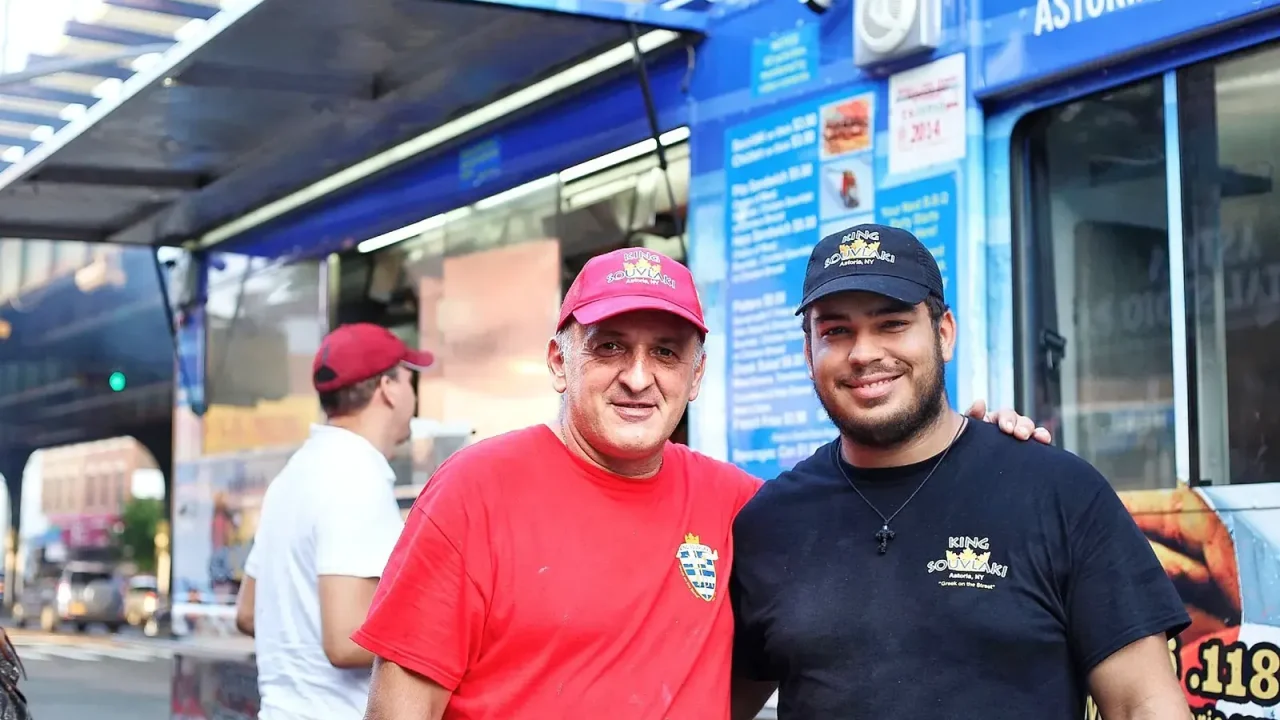
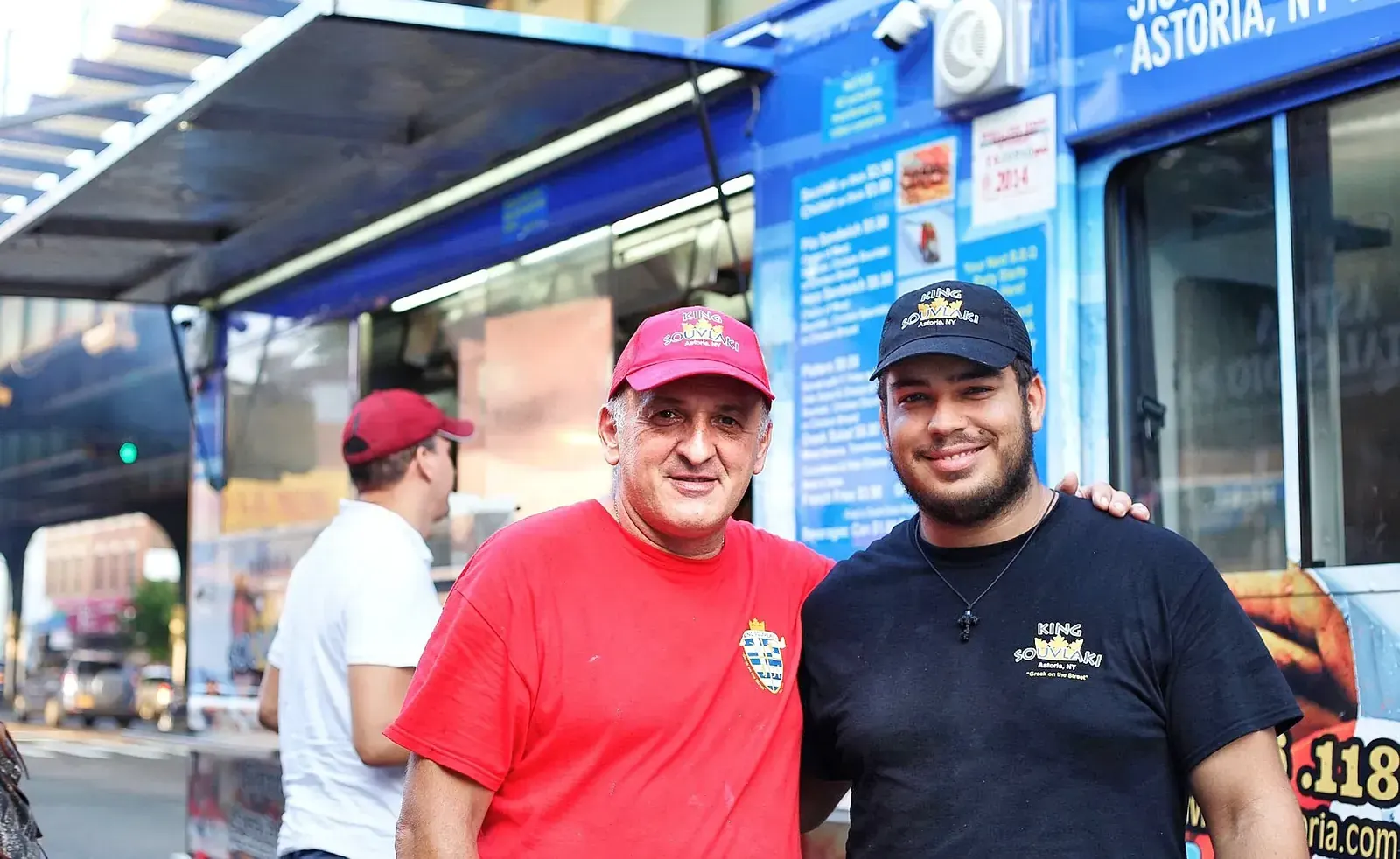
A cherished New York food truck that took the city to court last year to block a protected bike lane has changed its mind – and now calls the lane “great.” The story, playing out on 31st Street in Astoria, Queens, offers a rare case study in how businesses can move from opposition to support when street redesigns accommodate their needs. For London’s boroughs and Transport for London, who face similar conflicts over cycle lanes on high streets and market roads, the turnaround is worth examining.
The King Souvlaki food truck had been a fixture at the corner of 31st Street and 31st Avenue since 1979. When the New York City Department of Transportation (DOT) proposed a protected bike lane along the corridor, owner Lampros Tsampas joined a group of local merchants in a lawsuit to stop it. The merchants feared the lane would force them to move, losing their decades-old trading spots. In December 2025, a Queens judge ordered the city to halt work on the lane.
Por que importa
The Mamdani administration regrouped. Instead of abandoning the project, DOT redesigned it as a longer, more comprehensive scheme. The new protected lanes, installed between Northern Boulevard and Newtown Avenue, run on both sides of the two-way street, separated from the kerb by a narrow buffer and a parking lane. King Souvlaki now sits in a metered parking space, a few feet from its original location, with the cycle lane between the truck and the pavement.
The lane is now in place, and Tsampas says he is satisfied. “It’s a good setup and we get to stay in the spot we’ve been at since 1979. … It’s a great bike lane, I like it,” he told Streetsblog NYC. The truck has even put up a tongue-in-cheek “caution sign” that reads: “Slow down and grab a gyro!” Tsampas emphasised that the family never opposed the lane itself, only the uncertainty about their ability to stay. “I wanted to be sure that we would be able to operate in a spot where my father built that business for nearly 50 years,” he said.
Key facts
| Element | Detail |
|---|---|
| Location | 31st Street, Astoria, Queens, New York |
| Original opposition | King Souvlaki joined lawsuit fearing displacement from its 50-year trading spot |
| Resolution | Truck moved a few feet into a parking lane, separated by the cycle lane; owners now support it |
| Safety context | 502 traffic injuries and 2 pedestrian deaths on 31st Street (2021–2025); DOT data shows protected lanes reduce severe injuries by 18% |
The safety context is stark. Between 2021 and 2025, 31st Street recorded 502 traffic injuries and two pedestrian fatalities. DOT studies have consistently shown that protected bike lanes reduce severe traffic injuries and deaths by as much as 18 percent in New York City. Tsampas acknowledged this: “The bike lane’s fine. It’s better. I get it. For safety reasons, obviously it’s better.”
A second lawsuit was filed last week by other opponents, but King Souvlaki is not part of it. “We don’t want to continue making this whole big thing and keep fighting,” Tsampas said. The boycott that some bike lane supporters organised against the truck caused “a lot of stress” but did not hurt business, he added.
What London can learn from the Astoria experience
London has seen its own share of business opposition to cycle lanes. The construction of Cycle Superhighways on routes such as the A4, the A13, and the A10 prompted complaints from traders about lost loading bays, reduced footfall, and disruption during construction. In 2020, the Marylebone area saw a legal challenge to temporary cycle lanes from businesses. More recently, the expansion of the Ultra Low Emission Zone and the introduction of Low Traffic Neighbourhoods have generated similar tensions.
The Astoria story suggests that business fears can be addressed through careful design and communication. The key difference in New York was that DOT did not simply push ahead with the original plan; it revised the scheme to create a longer, more flexible lane that allowed the truck to remain at the same intersection. For London, this points to the importance of early and detailed engagement with traders about how loading, parking, and trading spaces will be reconfigured. TfL’s own guidance on “Cycle Superhighway Design” and “Healthy Streets” already emphasises the need to maintain access for businesses, but implementation often falls short.
Another lesson is the value of presenting safety data clearly. Tsampas said he had not previously understood the scale of crashes on 31st Street. When the numbers were made public, his opposition softened. London boroughs and TfL could make more use of local collision data, street audit results, and user surveys when making the case for cycle lanes to business owners.
The limitation of the comparison is that New York and London operate under different legal and political frameworks. New York’s DOT is a single city agency, while London’s cycle lane decisions are split between TfL on the Transport for London Road Network (TLRN) and 32 boroughs on local roads. The British planning system also gives businesses more formal routes to object through planning applications and public inquiries. Still, the core insight – that businesses can become allies rather than adversaries when their specific concerns are addressed – is transferable.
For London’s planners and campaigners, the King Souvlaki story is a reminder that street redesign need not be a zero-sum game. The truck now depends on the cycle lane for its survival, separated from the pavement but still accessible. Lampros Tsampas, once a plaintiff, now advertises to the people using the lane. “We were fine with it and just want people to be careful,” he said.
Source: Streetsblog NYC, “It’s a Great Bike Lane: King Souvlaki Abandons Astoria Lawsuit Fight” (July 2026). https://nyc.streetsblog.org/2026/07/22/great-bike-lane-king-souvlaki
Fuente
Streetsblog NYC Publicacion original: 2026-07-22T04:05:00+00:00
Related updates

California’s unused dam safety powers hold lessons for London’s ageing flood infrastructure
A California audit reveals the state has never used its enforcement powers against dam owners, despite 57 dams in poor condition. As…
Read update
New York Poll Shows Overwhelming Bipartisan Support for Apartments Near Transit, Highlighting Contrast with London’s Own Housing Debate
A new poll from Open New York finds 79% of voters support building multi-family homes near rail stations, as the governor’s race…
Read update
Seattle City Attorney Launches New Community Court and Repeat Offender Programme Amid Public Defender Concerns
Seattle City Attorney Erika Evans has launched Connection Court, a new community court programme, alongside a punitive High-Priority Repeat Offenses system. The…
Read update
Seattle’s Centers & Corridors Zoning Update Delayed by Environmental Review Ruling
A state hearings board ruling has forced Seattle to rework the environmental impact statement for its twenty-year growth plan, pushing the next…
Read updateWiki relacionada

Urban Planning Terms: Density, Public Realm and Transit-Oriented Development
A living glossary for terms that appear again and again in planning and development stories.
Read update