
Illinois Passes “Stop Super Speeders” Law as “Ride of Silence” Highlights Ongoing Road Safety Challenges
Illinois lawmakers have advanced legislation to tackle excessive speeding using Intelligent Speed Assistance technology, coinciding with a poignant "Ride of Silence" event that underscored the persistent dangers faced by vulnerable road users.
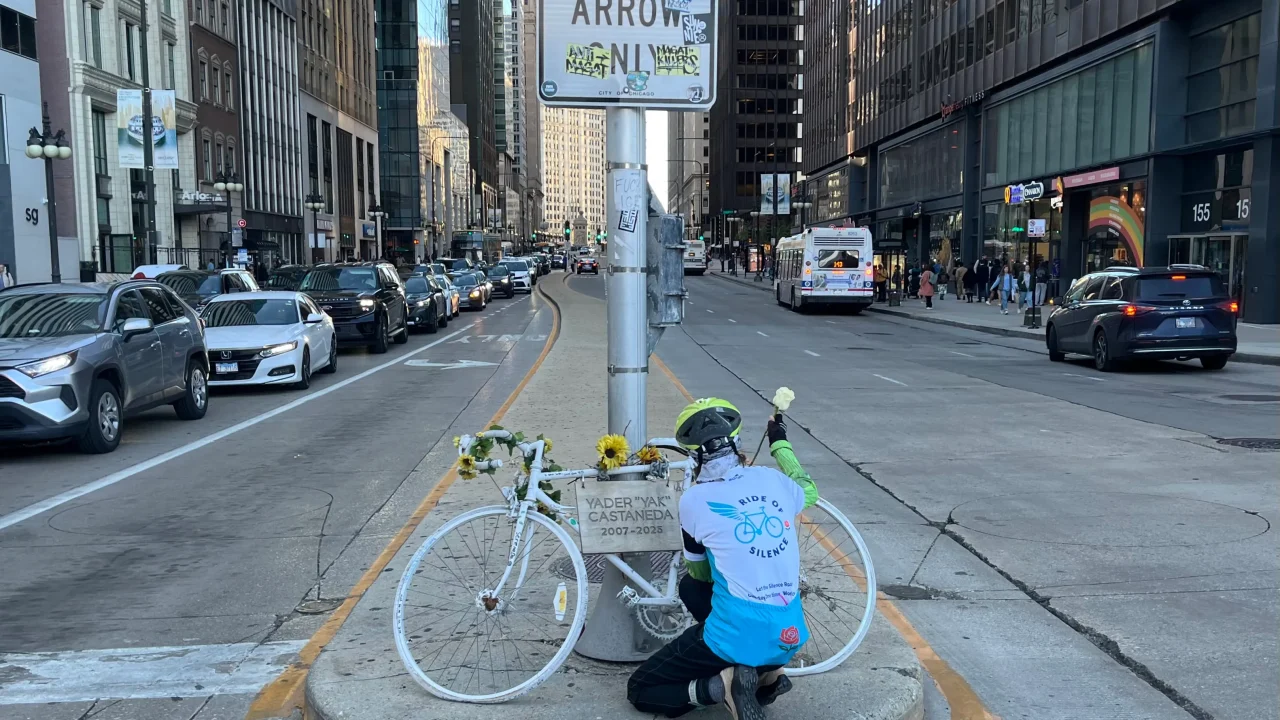
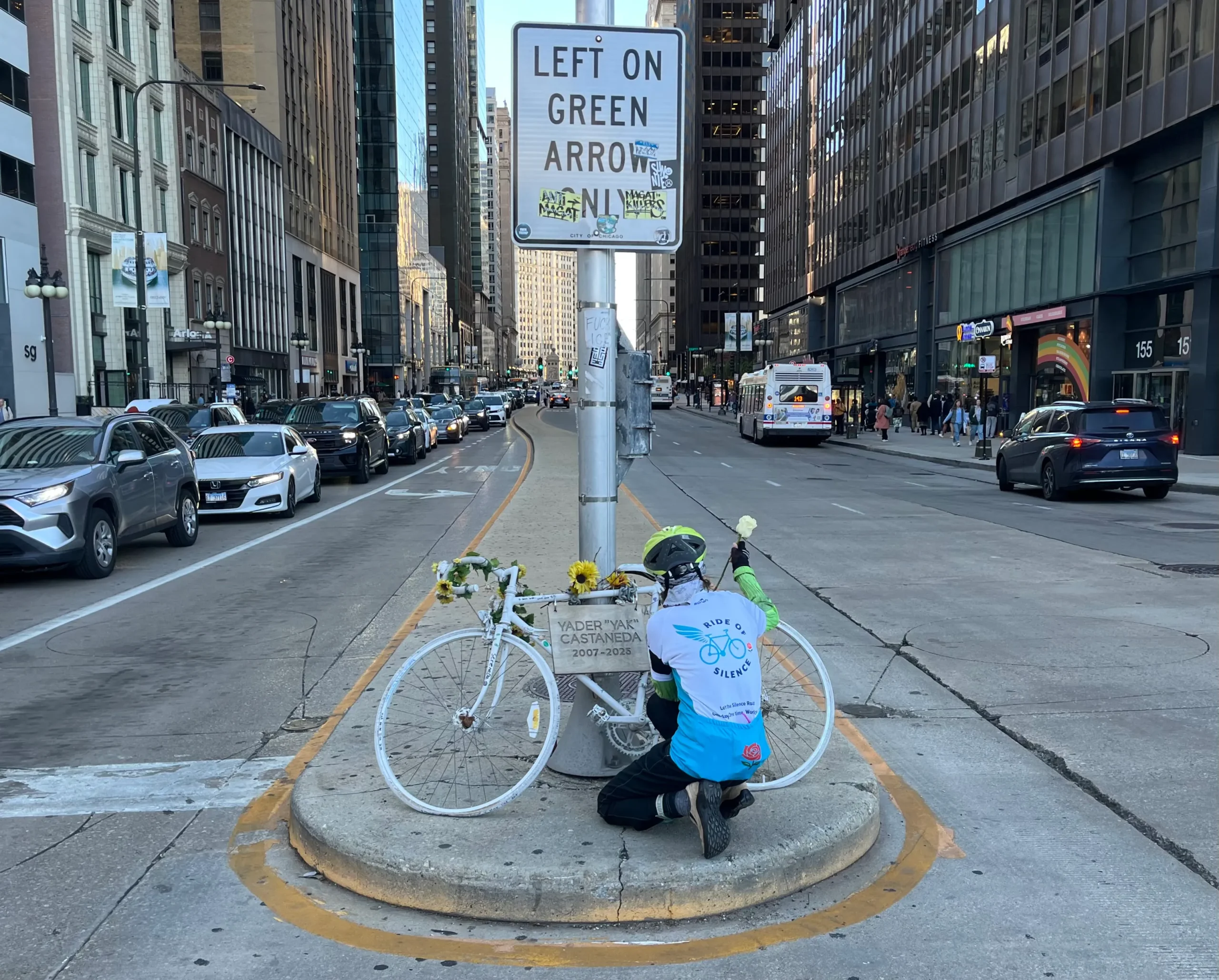
Illinois is poised to implement a new approach to combating persistent speeding with the passage of the “Stop Super Speeders” legislation (HB 4948) by its General Assembly. This bill, awaiting Governor J.B. Pritzker’s signature, aims to leverage Intelligent Speed Assistance (ISA) technology in vehicles to prevent documented repeat offenders, or “super speeders,” from exceeding speed limits. The legislative action occurred on the same day that hundreds of locations worldwide, including Chicago, participated in the 24th annual “Ride of Silence.” This event serves as a solemn remembrance for cyclists and other vulnerable road users who have been injured or killed by traffic violence, drawing attention to the critical need for improved street safety.
The “Stop Super Speeders” law represents a potential shift in traffic enforcement strategy, moving beyond traditional methods like license suspension, which have proven insufficient in deterring dangerous driving. The integration of ISA technology, which can alert drivers to speed limits and, in some implementations, actively limit vehicle speed, offers a more direct intervention for those who consistently disregard traffic laws. The passage of this bill signifies a legislative acknowledgement of the limitations of current enforcement methods and a willingness to explore technological solutions to enhance road safety.
Why it matters
Concurrent with this legislative advancement, the 21st Chicago “Ride of Silence” brought together approximately 100 participants at Queen’s Landing, near Buckingham Fountain. The event, organized by Elizabeth Adamczyk with promotional support from the Active Transportation Alliance, featured opening remarks from ATA Advocacy Manager Alex Perez. Perez emphasized the importance of recognizing the rights of cyclists on public streets and advocated for enhanced infrastructure to create a city that is welcoming and safe for all ages and abilities.
Adamczyk highlighted the deeply personal nature of the ride, stating, “Tonight we honor recent and previous fatalities and a crash victim who is still recovering.” She specifically referenced Dr. Ray Lee, a physician critically injured last October by a hit-and-run driver while cycling home from work. The ride proceeded in silent tribute, with participants pausing at seven crash sites along an 8.5-mile route to place white roses and candles. At locations where a “ghost bike” memorial was absent, small 3-D printed white ghost bikes were also placed, serving as stark visual reminders of lives lost. The journey concluded at Monochrome Brewing in Pilsen, where a ceremony honored other local individuals recently deceased due to cycling incidents.
Context
The context of these events in Chicago is marked by ongoing, often polarized, public discourse regarding street use. Dueling rallies on Archer Avenue and Grand Avenue illustrate the tension between prioritizing driving convenience and the urgent need to prevent fatal crashes and create safer environments for all road users. In this charged atmosphere, the silent procession of the “Ride of Silence” served as a powerful visual testament to the human cost of traffic violence and the persistent demand for safer streets.
The memorial ride paused at significant crash locations, including Van Buren Street and Damen Avenue, near the Eisenhower Expressway, where Dr. Lee was struck. His wife, Fani Lee, and their two children were present at this site, a poignant reminder of the ongoing recovery and the lasting impact of such incidents. Dr. Lee continues to undergo rehabilitation for a brain injury. Questions remain regarding the efforts of the Chicago Police Department to apprehend the motorist responsible for the hit-and-run. A coworker of Dr. Lee’s facilitated contact with Fani Lee, allowing her to be greeted by the cyclists, and organizers presented her with red roses.
Other speakers shared personal accounts of loss and the ongoing struggle for justice. Jim Kreps of the Chicago Cycling Club shared a story about Dr. Bob Hsuing. Claudia Torres, mother of Damian Gomez, a delivery cyclist killed by a speeding SUV driver who ran a red light, spoke with deep emotion about the profound impact of her son’s death. Her son, who was cycling for DoorDash, was struck along with another motorist before the driver fled the scene. Torres announced plans for a protest on May 26th at the location of the accident, 63rd and Kedzie, to demand justice for her son.
The stories shared during the “Ride of Silence” underscore the dual necessity of holding drivers accountable for harm caused to other road users and, more crucially, implementing systemic changes through improved street design, robust legislation, and effective enforcement to prevent such tragedies from occurring. The “Stop Super Speeders” law addresses one aspect of this complex challenge by targeting excessive speeding, while events like the “Ride of Silence” continually highlight the need for a comprehensive approach to urban mobility that prioritizes the safety and well-being of all street users.
Key facts
- Legislation Passed: “Stop Super Speeders” (HB 4948) in Illinois
- Technology Employed: Intelligent Speed Assistance (ISA)
- Event Held: 24th annual “Ride of Silence,” 21st in Chicago
- Purpose of Ride of Silence: To honor victims of traffic violence and advocate for safer streets
- Key Concerns Highlighted: Excessive speeding, hit-and-run incidents, need for better infrastructure
The implementation of the “Stop Super Speeders” law could reshape how speeding is managed in Illinois, potentially leading to reduced instances of dangerous speeds. However, the continued occurrence of events like the “Ride of Silence” serves as a stark reminder that technological and legislative measures must be complemented by fundamental improvements in urban infrastructure and a cultural shift towards prioritizing road safety for all. The physical changes to streets, the data supporting the need for these changes, and the policy frameworks guiding them remain critical areas of focus for urban planners and policymakers.
Source: Streetsblog Chicago – https://chi.streetsblog.org/2026/05/22/on-the-day-illinois-passed-the-stop-super-speeders-law-the-ride-of-silence-was-a-reminder-of-how-far-we-have-to-go-to-make-our-streets-safe
Fuente
Streetsblog Chicago Publicacion original: 2026-05-22T05:06:11+00:00
Related updates
Seattle social housing land deal offers lessons for London’s community-led delivery
Seattle’s social housing developer has acquired its first site for a mixed-income project, aiming for 1,000 homes by end of 2026. The…
Read update
When zoning reform meets private covenants: the HOA obstacle to backyard cottages
As more US cities rewrite zoning rules to allow accessory dwellings, private homeowners’ association covenants remain a barrier that reform alone cannot…
Read update
Seattle-Area Race Highlights Diverging Approaches to Housing, Transit and Tech Taxation
A Washington State legislative race in the 32nd District pits incrementalism against urgency on housing supply, transit funding and tech regulation, with…
Read update
New York court ruling on sanctuary policies carries implications for city-level immigration enforcement across the US
A federal judge has dismissed the Trump administration’s attempt to override New York City’s restrictions on immigration enforcement cooperation, citing state sovereignty.…
Read update