
Denver Imposes One-Year Moratorium on New Data Centres Amid Water and Energy Concerns
Denver City Council has approved a one-year moratorium on new data centre permits, citing the need to develop new regulations concerning water and energy consumption, and noise. The decision follows concerns over the environmental impact of such facilities, including a large data centre currently under construction.
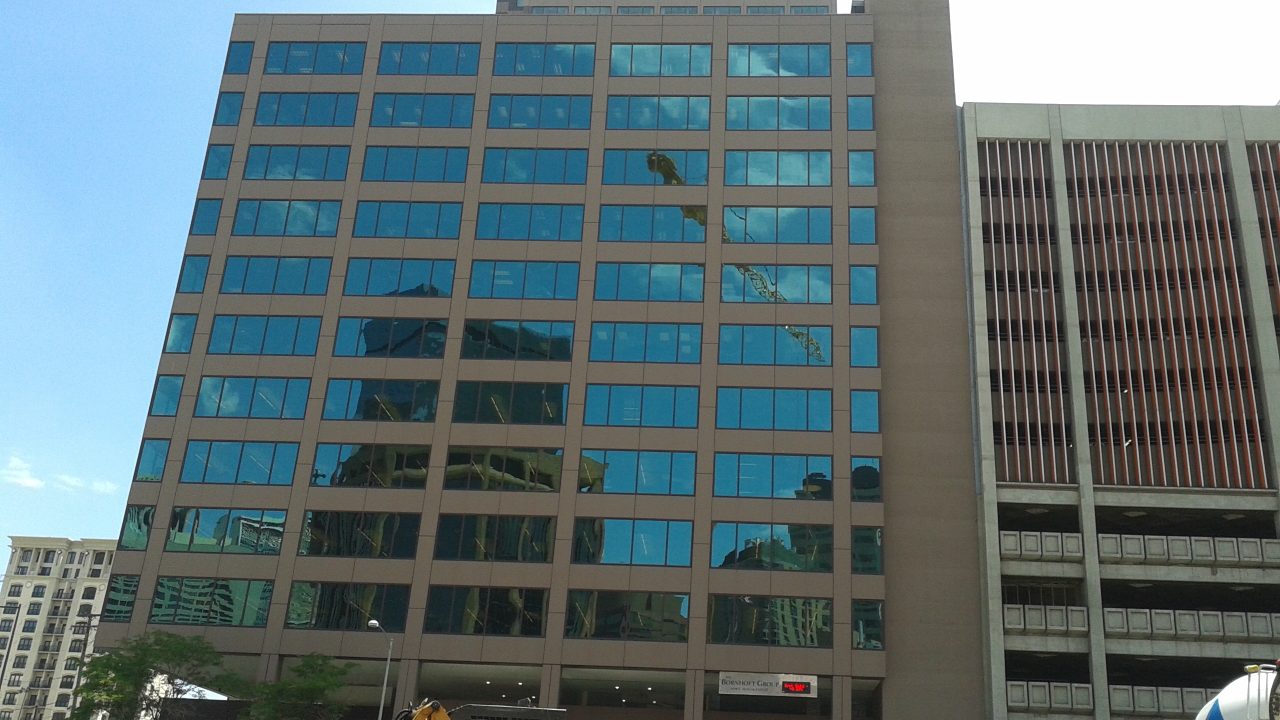
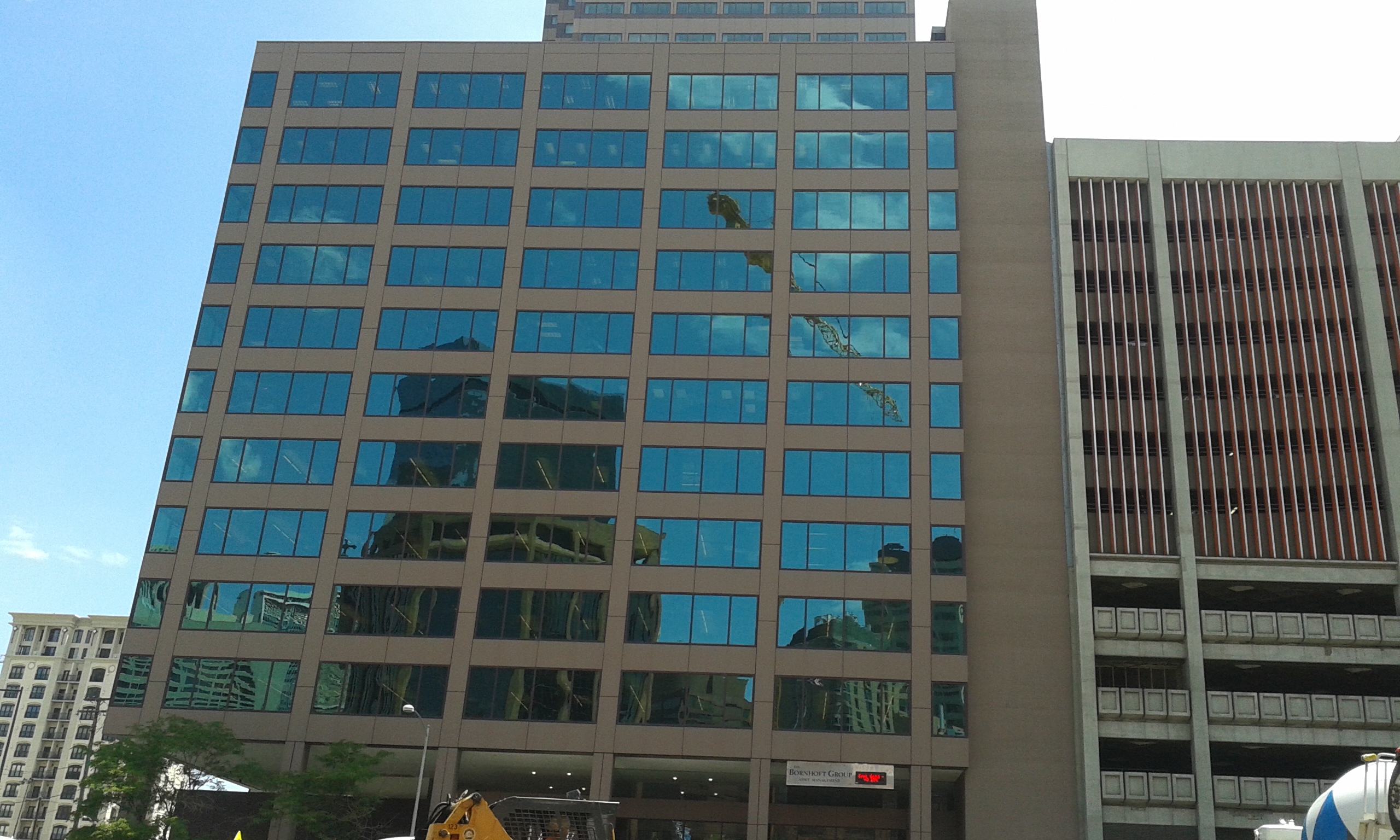
Denver City Council has unanimously approved a one-year moratorium on permits for new data centres. This decision stems from the city’s urgent need to establish comprehensive regulations and zoning standards specifically tailored to data centre development. The move highlights growing concerns within urban planning circles regarding the significant environmental impact of these facilities, particularly their demands on water and energy resources.
The moratorium, effective immediately, will halt the issuance of new permits for a period of twelve months. During this time, the city aims to address critical questions surrounding the placement, energy and water consumption, and noise generation associated with data centres. This proactive approach by Denver reflects a broader recognition among urban authorities of the substantial infrastructure demands posed by the rapidly expanding digital economy.
Key facts
- Action: One-year moratorium on new data centre permits
- Primary Concern: Water and energy consumption, noise, zoning
Context of the Moratorium
The vote by Denver City Council comes amidst ongoing construction of a major data centre in the Elyria-Swansea neighbourhood. This particular facility, known as DE3, is projected to have substantial resource requirements. According to reports, if operated at maximum capacity, the DE3 site could consume up to 230,000 gallons of water and up to 18 megawatts of power per day. These figures are significantly higher than the consumption levels of any other existing operation within Denver, underscoring the scale of resource demand data centres can impose on urban infrastructure.
The rapid growth of data centres globally has presented new challenges for urban planners and utility providers. These facilities are critical for supporting the digital infrastructure that underpins modern economies, from cloud computing to artificial intelligence. However, their operational demands, particularly concerning energy and cooling, raise significant sustainability questions for cities committed to environmental goals and resource management.
Challenges for Urban Planning
The moratorium in Denver underscores a critical intersection between technological advancement and urban sustainability. Data centres require reliable access to vast amounts of electricity for their servers and extensive cooling systems to prevent overheating. This cooling often involves substantial water usage, either through evaporative cooling towers or other water-intensive methods. The sheer scale of these demands can strain local utility grids and water supplies, especially in regions already facing resource scarcity or environmental pressures.
Beyond resource consumption, the siting of data centres also presents planning challenges. Their large physical footprints, often located in industrial or semi-industrial zones, can have implications for land use patterns and local development strategies. Furthermore, the noise generated by cooling equipment and backup generators can be a concern for nearby residential areas, necessitating specific zoning and mitigation strategies. Denver’s decision to pause new permits allows the city to develop a more robust framework that can balance economic development with environmental stewardship and community well-being.
Developing New Regulations
During the one-year moratorium, Denver city officials will focus on drafting new regulations and zoning standards. This process will likely involve consultations with industry experts, environmental groups, and community stakeholders. Key areas for consideration will include:
Energy Efficiency Standards: Implementing requirements for data centres to adopt advanced energy-saving technologies and renewable energy sources. This could involve mandates for Power Usage Effectiveness (PUE) targets or incentives for on-site renewable generation.
Water Conservation Measures: Developing guidelines for water-efficient cooling technologies, promoting the use of recycled or reclaimed water, and establishing limits on potable water consumption.
Siting and Zoning: Revisiting existing zoning ordinances to determine appropriate locations for data centres, considering proximity to residential areas, access to utilities, and potential environmental impacts. This may involve creating specific overlay zones or performance-based standards.
Noise Mitigation: Establishing noise limits and requiring advanced acoustic dampening technologies to minimise disruption to surrounding communities.
The outcome of these efforts in Denver could serve as a model for other cities grappling with similar issues. As the demand for digital infrastructure continues to grow, urban centres worldwide will need to develop sophisticated policy tools to manage the environmental and social impacts of data centre proliferation.
Implications for Future Development
The moratorium signals a shift towards more scrutinised development practices for high-impact industrial facilities within urban areas. For developers and operators of data centres, it means a period of uncertainty but also an opportunity to engage with city planners to shape future regulations. The industry may need to innovate further in sustainable design and operation to meet evolving municipal expectations.
For residents and environmental advocates, the moratorium represents a victory in pushing for more responsible urban development. It provides a window for the city to integrate sustainability considerations more deeply into its planning framework, ensuring that technological advancements do not come at an undue cost to local resources or quality of life. The focus on water and energy consumption reflects a growing trend where cities are increasingly factoring climate resilience and resource management into their development policies.
Source: Planetizen News – Denver bans new data centers for one year (https://www.planetizen.com/news/2026/05/137613-denver-bans-new-data-centers-one-year)
Fuente
Planetizen News Publicacion original: 2026-05-20T16:00:00+00:00
Related updates

New York Poll Shows Overwhelming Bipartisan Support for Apartments Near Transit, Highlighting Contrast with London’s Own Housing Debate
A new poll from Open New York finds 79% of voters support building multi-family homes near rail stations, as the governor’s race…
Read update
Seattle City Attorney Launches New Community Court and Repeat Offender Programme Amid Public Defender Concerns
Seattle City Attorney Erika Evans has launched Connection Court, a new community court programme, alongside a punitive High-Priority Repeat Offenses system. The…
Read update
Seattle’s Centers & Corridors Zoning Update Delayed by Environmental Review Ruling
A state hearings board ruling has forced Seattle to rework the environmental impact statement for its twenty-year growth plan, pushing the next…
Read update
FEMA disaster mitigation grants freeze threatens to stall UK resilience learning, planners warn
A US Government Accountability Office report says $2.2 billion in FEMA Building Resilient Infrastructure and Communities grants remain unresolved, delaying more than…
Read updateWiki relacionada

Urban Planning Terms: Density, Public Realm and Transit-Oriented Development
A living glossary for terms that appear again and again in planning and development stories.
Read update