
What a Dallas vacant-lot housing push can and cannot tell London
A small affordable-housing project in south Dallas highlights questions London boroughs also face on vacant land, small sites and “missing middle” homes — but it is a comparison point, not a London policy change.
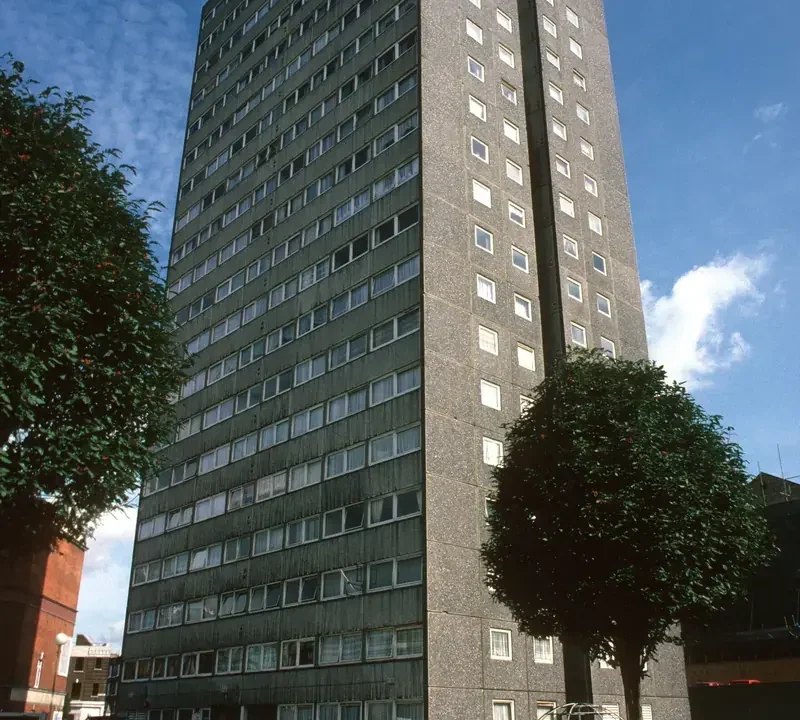
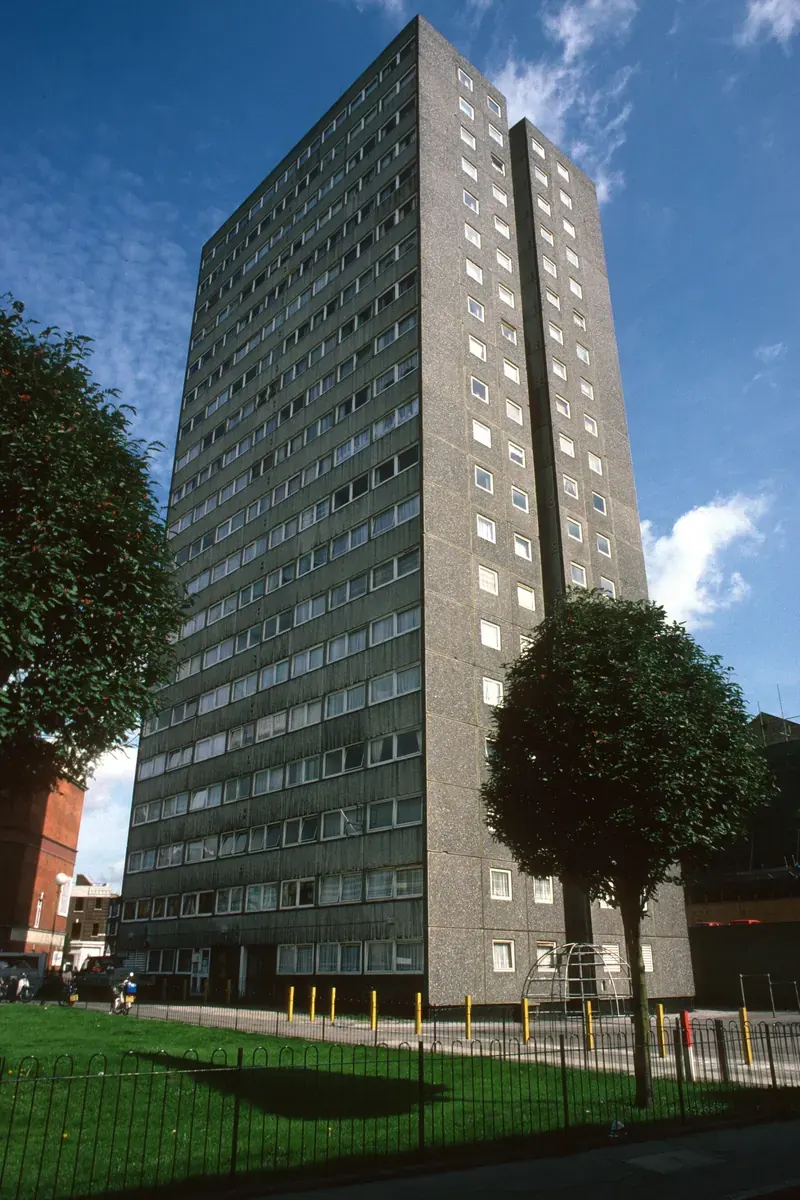
A reported push to build affordable homes on vacant lots in south Dallas offers a useful, limited comparison for London’s own debates over small sites, infill housing and planning rules — but it should not be read as evidence of a new policy shift in the capital.
Planetizen reports that a faith-based nonprofit, Cornerstone Community Development Corporation, is developing an eight-unit townhome scheme on a vacant lot in south Dallas, drawing on reporting by Alison Saldanha and Aria Jones in The Dallas Morning News. The item also points to wider concerns that Dallas has underdelivered income-restricted housing and that local zoning rules have made some smaller, more affordable housing types harder to build.
For London readers, the relevance is not that Dallas provides a direct model to copy. The two cities have different planning systems, land markets, public transport networks and affordable-housing funding structures. The useful comparison is narrower: how cities turn small, underused plots into homes, and how planning rules can either widen or restrict the range of viable housing types.
Why this belongs in a London housing debate
London’s housing discussion often focuses on large estate regenerations, town-centre intensification, strategic brownfield sites and transport-led growth areas. Those are important, but they are not the whole land-supply story.
Small sites, backland plots, gap sites and underused parcels can also contribute to housing delivery, particularly where they are close to services and public transport. They are rarely simple. Ownership can be fragmented, access can be constrained, servicing can be difficult, local opposition may be strong, and design quality matters because smaller schemes sit directly within existing streets.
The Dallas example is useful because it places a small number of homes at the centre of a bigger policy question. An eight-unit townhome project will not solve a regional housing shortage by itself. Its significance depends on whether it is an isolated project, a replicable approach, or part of a wider planning and land-use change.
That distinction matters in London too. A single small-site development can be welcome, controversial or both, but the policy question is whether borough plans, design codes, viability expectations and infrastructure constraints allow many well-designed small schemes to come forward without weakening affordability or street quality.
Key facts
| Issue | Reported detail |
|---|---|
| Location | South Dallas, Texas |
| Project described | An eight-unit townhome scheme on a vacant lot |
| Organisation named | Cornerstone Community Development Corporation |
| Wider policy issue | Zoning rules, vacant lots and the delivery of affordable or “missing middle” housing |
What the Dallas report says
According to the Planetizen summary, the Dallas project is being led by a faith-based nonprofit on a vacant lot in the southern part of the city. The source frames the scheme within a wider local housing problem, citing research that describes Dallas as a weak performer on subsidised housing delivery.
The summary says J.H. Cullum Clark, director of the Bush Institute-Southern Methodist University Economic Growth Initiative, described Dallas as a “clear underperformer” in building subsidised housing. It also reports that income-restricted apartment construction in Dallas fell by more than 80% between the six-year period from 2010 to 2016 and the six-year period from 2017 to 2023, based on a report he published with Ashley Flores of Child Poverty Action Lab.
The item also refers to an analysis by Verdunity, which found that outdated zoning codes were holding back new housing on vacant Dallas lots. In particular, the summary says larger lot-size requirements and parking minimums discouraged more buildable lots and smaller, lower-cost “missing middle” housing.
Planetizen also reports that Dallas rezoned more than 3,300 acres in South Dallas in June, following a newly approved localised land-use plan. Advocates cited in the summary believe the change could support growth, protect neighbourhood character and create opportunities for missing middle housing.
Those are Dallas-specific claims. They rely here on Planetizen’s summary of The Dallas Morning News and named research references, not on a direct review of the underlying planning documents.
The London comparison: small sites need more than good intentions
For London boroughs, the caution is that vacant or underused land is not automatically deliverable housing land. A plot may appear empty, but still face constraints: title issues, contamination, flood risk, utilities, daylight and sunlight impacts, access, servicing, tree protection, heritage settings or local opposition.
The Dallas report highlights three issues that also recur in London housing debates.
First, planning rules can shape what is financially and physically possible. If rules favour larger plots, high parking provision or narrow building types, smaller homes and intermediate-density schemes may become harder to deliver. In London, similar questions arise around design standards, local character policies, parking expectations, access requirements and the treatment of gentle density.
Second, affordability must be defined. “Affordable housing” can mean different things in different systems. For London readers, the key questions are whether homes are social rent, London Affordable Rent, shared ownership, intermediate rent or another tenure; who is eligible; how long affordability is secured; and whether the homes meet local need. The Dallas item does not provide tenure details for the eight homes beyond describing the broader affordable-housing context.
Third, small schemes need a delivery route. A planning designation, zoning change or land-use plan can create the conditions for homes, but it does not guarantee funding, construction or long-term affordability. London has seen many policy ambitions tested by land values, build costs, grant availability and local delivery capacity. The same distinction applies when reading the Dallas report: rezoning and advocacy are not the same as completed homes.
Transport and parking are part of the housing story
The Dallas summary specifically mentions parking minimums as one barrier to smaller and more affordable housing options. That point has clear resonance for London, although the conditions are different.
In parts of London with strong public transport access, lower car parking provision can support more homes on constrained sites, reduce costs and avoid using scarce land for vehicle storage. In less connected areas, parking and servicing concerns can become a flashpoint, especially where streets are already pressured.
The planning issue is not simply whether parking is “good” or “bad”. It is whether parking rules match the site’s actual transport choices, street capacity and household needs. A rigid requirement can make small infill housing harder to build; a poorly managed reduction can shift problems onto neighbouring streets.
For any London comparison, readers should look for the practical evidence: public transport accessibility, cycle access, disabled parking, servicing arrangements, controlled parking zones, school-street or bus-priority impacts, and whether the scheme reduces or increases pressure on the public realm.
What London readers should check before drawing lessons
The Dallas case is best treated as a prompt for questions rather than a ready-made answer. If a London borough, developer, community land trust, housing association or faith-based landowner proposes a similar vacant-lot scheme, the first checks should be practical and local.
Who owns the land, and is it genuinely available for housing? What planning status does the site have? Is the proposal a policy aspiration, a submitted application, an approved scheme or a funded development? What exact affordable tenure is proposed? How many homes are family-sized, accessible or genuinely affordable to local households? What happens to trees, drainage, waste collection, servicing and street safety?
Design also matters. Small-site housing can repair a gap in the street, add passive surveillance and support local services. It can also create cramped homes, poor outlook, awkward access or conflict with neighbours if badly handled. The difference is usually in the detail: layout, frontage, materials, amenity space, refuse storage, cycle parking and how the building meets the pavement.
The Dallas item suggests that localised land-use planning and zoning reform may open space for more missing middle housing. In London, the equivalent debate would need to run through borough local plans, design codes, site allocations, public consultation, viability evidence and the capital’s wider housing targets. Without that local evidence, comparisons remain suggestive rather than conclusive.
A useful comparison, not a London announcement
The strongest London takeaway is modest: small and vacant sites can matter, but only where planning rules, land ownership, funding and design quality line up. The Dallas report shows one city trying to connect vacant land with affordable housing and missing middle delivery. It does not prove that the same approach would work unchanged in London, nor does it announce any change to London policy.
For London Urbanism Desk readers, the item is worth watching as part of a wider international pattern: cities looking beyond large redevelopment sites and asking whether smaller plots can carry more of the housing burden. The next useful evidence would be the Dallas planning documents, the underlying housing research, the exact affordability terms of the townhomes and whether the rezoning leads to completed homes rather than only potential capacity.
Source: Planetizen News, https://www.planetizen.com/news/2026/07/138021-vacant-lots-south-dallas-are-giving-way-affordable-housing
Fuente
Planetizen News Publicacion original: 2026-07-19T16:00:00+00:00
Related updates
When zoning reform meets private covenants: the HOA obstacle to backyard cottages
As more US cities rewrite zoning rules to allow accessory dwellings, private homeowners’ association covenants remain a barrier that reform alone cannot…
Read update
Seattle-Area Race Highlights Diverging Approaches to Housing, Transit and Tech Taxation
A Washington State legislative race in the 32nd District pits incrementalism against urgency on housing supply, transit funding and tech regulation, with…
Read update
New York court ruling on sanctuary policies carries implications for city-level immigration enforcement across the US
A federal judge has dismissed the Trump administration’s attempt to override New York City’s restrictions on immigration enforcement cooperation, citing state sovereignty.…
Read update
Automated license plate readers raise privacy, contract and oversight questions for UK cities
A new US-focused analysis of automated license plate recognition cameras highlights contract, privacy and oversight issues that London boroughs and Transport for…
Read updateWiki relacionada

Urban Planning Terms: Density, Public Realm and Transit-Oriented Development
A living glossary for terms that appear again and again in planning and development stories.
Read update