
Chicago Ranked Worst Large US City for Cycling, Prompting Official Response
A recent report by People for Bikes places Chicago last among large US cities for cycling infrastructure and safety, leading to a detailed response from the Chicago Department of Transportation (CDOT).
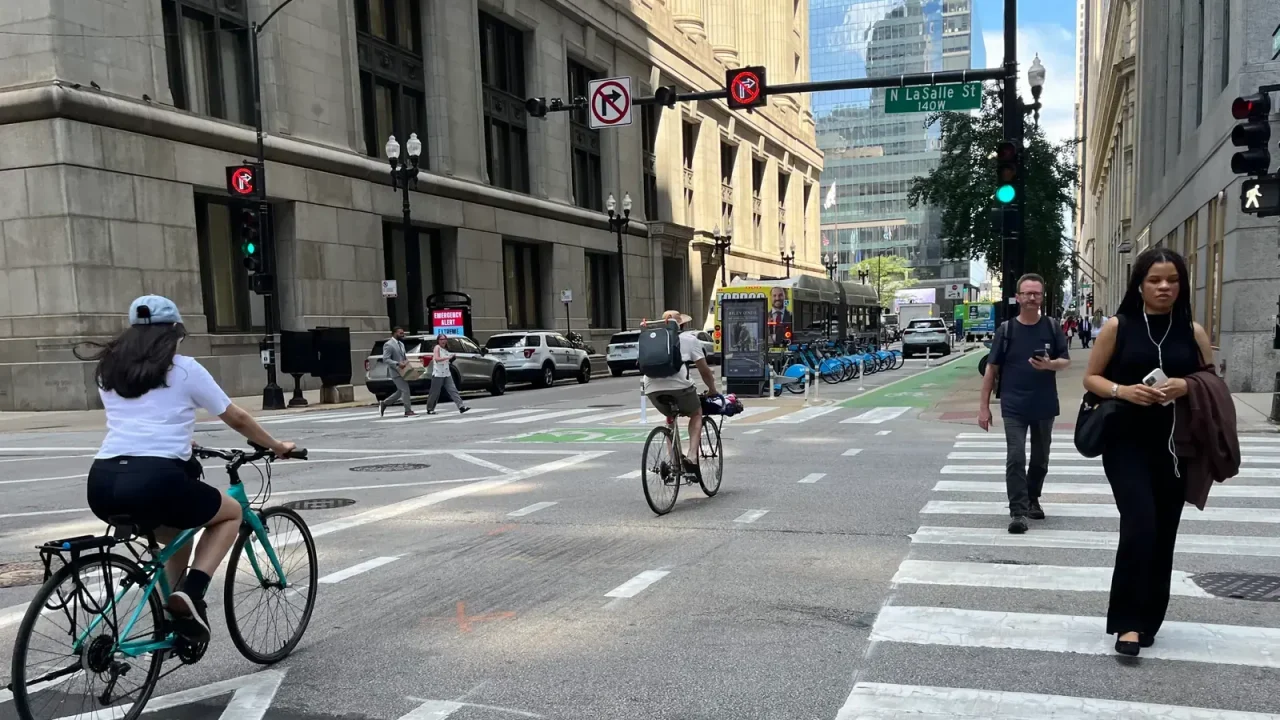
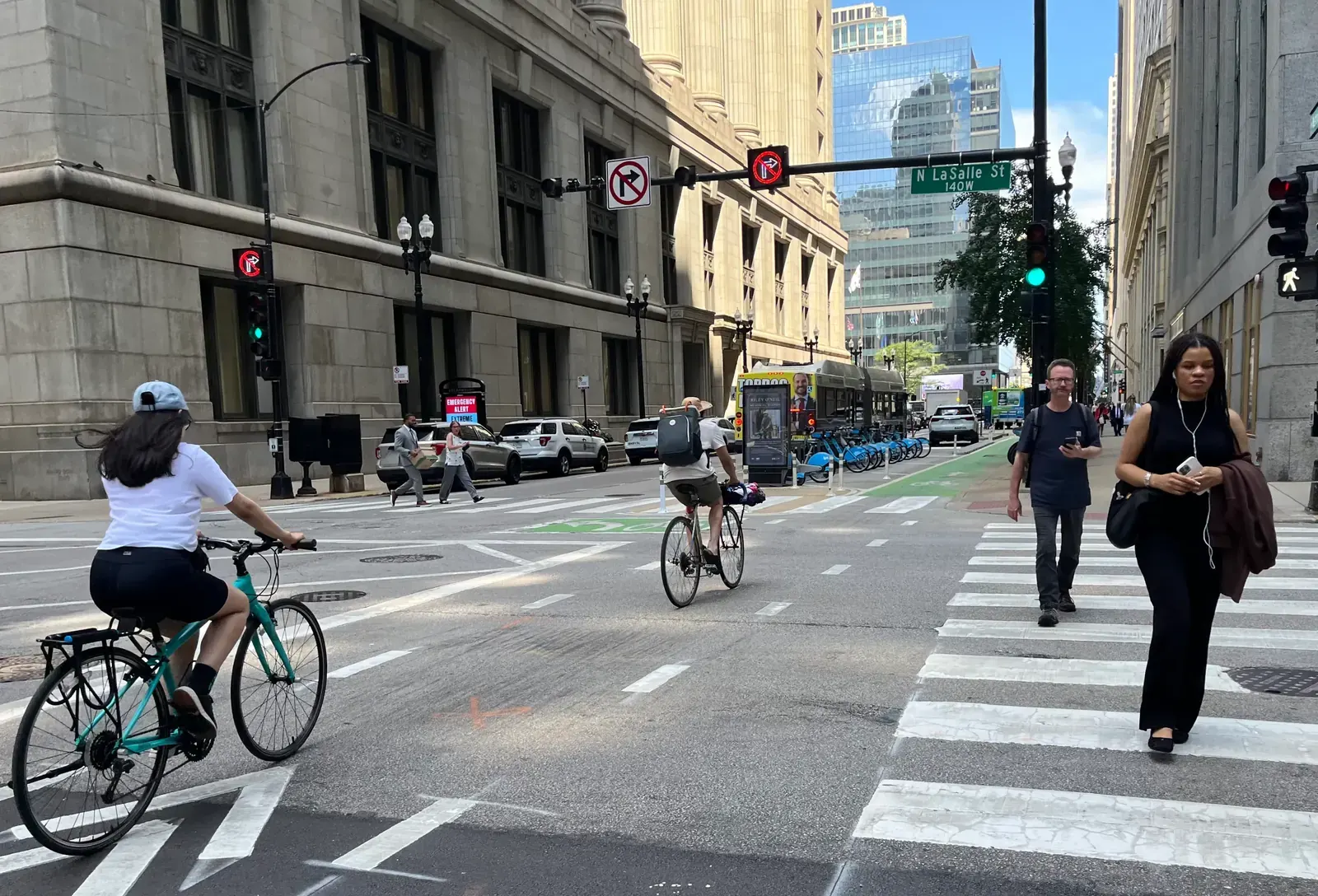
Chicago has been ranked as the worst large city for cycling in the United States by the latest People for Bikes (PFB) City Ratings report. The report, which assesses 73 American cities, placed Chicago tied with El Paso, Texas, at the bottom of the rankings. Globally, Chicago ranked 2,919th out of over 3,000 cities.
This ranking has drawn a detailed response from the Chicago Department of Transportation (CDOT), which disputes the report’s findings and highlights ongoing investments in cycling infrastructure.
A Critical Assessment
The People for Bikes City Ratings report uses various metrics to evaluate a city’s suitability for cycling. While the full methodology can be complex, the report’s findings for Chicago point to several areas of concern. Streetsblog Chicago, the source of this news, has noted that Chicago has consistently ranked near the bottom in previous years’ PFB reports.
A significant factor contributing to Chicago’s low score, according to PFB, is the city’s default 30 mph speed limit on many streets. The report suggests that lower speed limits are crucial for cycling safety. PFB’s Bike Network Analysis tool reportedly colours almost every street in Chicago as “High Stress” due to these speed limits, giving the city a Bike Network Analysis (BNA) rating of 11 out of 100. In contrast, Tampa, Florida, a city not typically considered a cycling haven, received a BNA of 42, with most of its streets classified as “Low Stress.”
The report also notes a lack of cohesion in Chicago’s bike network, particularly regarding protected bike lanes and Neighborhood Greenways. These facilities, designed to prioritize cyclists and pedestrians, are concentrated on the North and West Sides but are sparse on the South Side.
Tragic Incidents Underscore Safety Concerns
The critical assessment of Chicago’s cycling infrastructure is underscored by tragic events. The report mentions the recent death of Riley O’Neil, a CDOT Complete Streets Planner, who was fatally “doored” while riding home from work in a painted bike lane. This incident is cited as an example of the need for more protected bike lanes, which could have potentially prevented the crash. This year has seen at least five fatalities involving cyclists and e-scooters in Chicago, alongside at least 13 pedestrian deaths, highlighting broader safety issues on the city’s streets, including speeding and a prevalence of wide, multi-lane roads.
CDOT’s Rebuttal and Progress
In response to the PFB report, CDOT spokesperson Erica Schroeder provided a comprehensive counter-argument, emphasizing Chicago’s commitment to becoming a better city for cyclists.
“Here are a few data points and examples that show Chicago is a great biking city and continues to become an even better one, with more people riding and continued investments in safer, more comfortable infrastructure,” Schroeder stated.
CDOT highlighted several achievements and ongoing initiatives:
- Increased Protected Bike Lane Mileage: The city has continued to build protected bike lanes, even when facing opposition from residents, merchants, and politicians.
- Growth in Cycling: CDOT pointed to an increase in cycling mode share and ridership, indicating greater public adoption and reliance on bikes.
- Investment in Infrastructure: Significant investments have been made in creating safer and more comfortable cycling infrastructure across the city.
- Comprehensive Network Development: CDOT is working on developing a citywide network of low-stress cycling routes, including protected lanes and Neighborhood Greenways.
- Commitment to Safety: The department reiterated its dedication to improving road safety for all users, including cyclists.
Schroeder also added that Chicago supports programs aimed at making bicycling more accessible, affordable, and welcoming for residents of all ages and experience levels.
The Discrepancy in Metrics
Streetsblog Chicago noted that the PFB’s emphasis on speed limits has disproportionately affected Chicago’s score. The publication has long advocated for lowering the city’s speed limit to 25 mph, citing evidence from other cities like New York that such a change can save lives. However, the Chicago City Council voted down an ordinance to lower the speed limit in February 2025.
In previous years, PFB had indicated that lowering Chicago’s speed limit by 5 mph could significantly improve its ranking. An analysis of past PFB charts suggests that Chicago’s score plummeted in 2020 when the nonprofit increased its focus on speed limits. This year’s report, by starting its graphical comparison from 2020, may obscure this historical shift in PFB’s evaluation criteria.
Future Outlook
CDOT’s response aims to provide a more nuanced perspective, showcasing the city’s ongoing efforts and progress in enhancing cycling conditions. While the PFB report identifies critical areas for improvement, CDOT’s data suggests a positive trajectory for cycling in Chicago.
The debate highlights the differing methodologies and priorities in evaluating urban cycling infrastructure. For London Urbanism Desk readers, the Chicago case offers insights into the complexities of city planning, the challenges of implementing safety measures, and the importance of diverse data sources in assessing urban environments.
Key facts
| Metric | Chicago’s Standing | Source |
| :—– | :—————– | :—– |
| PFB City Rating (Large US Cities) | Last place (tied with El Paso) | People for Bikes |
| PFB Bike Network Analysis (BNA) Score | 11/100 | People for Bikes |
| Reported Fatalities (Cyclists/E-scooters, Year-to-date) | At least 5 | Streetsblog Chicago |
| Reported Fatalities (Pedestrians, Year-to-date) | At least 13 | Streetsblog Chicago |
The city’s approach to cycling infrastructure, speed limit policies, and the development of a cohesive bike network will continue to be critical areas to watch. CDOT’s emphasis on continued investment and program development suggests a commitment to improving the cycling experience, despite the low ranking from PFB.
Source: Streetsblog Chicago, https://chi.streetsblog.org/2026/07/08/this-year-people-for-bikes-city-rating-rated-chicago-as-tied-with-el-paso-as-the-worst-large-us-city-for-biking-heres-cdots-response
Datos clave
| Punto | Detalle |
|---|---|
| Fuente | Streetsblog Chicago |
| Fecha | 2026-07-09T00:43:24+00:00 |
| Tema | This year People for Bikes’ City Ratings ranked Chicago as tied with El Paso as the worst large US city for biking. Here |
Fuente
Streetsblog Chicago Publicacion original: 2026-07-09T00:43:24+00:00
Related updates

Seattle-Area Race Highlights Diverging Approaches to Housing, Transit and Tech Taxation
A Washington State legislative race in the 32nd District pits incrementalism against urgency on housing supply, transit funding and tech regulation, with…
Read update
New York court ruling on sanctuary policies carries implications for city-level immigration enforcement across the US
A federal judge has dismissed the Trump administration’s attempt to override New York City’s restrictions on immigration enforcement cooperation, citing state sovereignty.…
Read update
Automated license plate readers raise privacy, contract and oversight questions for UK cities
A new US-focused analysis of automated license plate recognition cameras highlights contract, privacy and oversight issues that London boroughs and Transport for…
Read update
Oregon’s “fix it first” dilemma: what London’s transport planners can learn from a revolt against megaprojects
Surveys show Oregonians overwhelmingly want existing roads repaired before new megaprojects are funded, and trust in the state’s transport agency has collapsed.…
Read updateWiki relacionada

Urban Planning Terms: Density, Public Realm and Transit-Oriented Development
A living glossary for terms that appear again and again in planning and development stories.
Read update