
Chicago Cubs Parking Expansion Faces Opposition Over Urban Planning Goals
A revised proposal by the Chicago Cubs to expand the team’s parking facilities near Wrigley Field is encountering significant opposition from local residents and urbanist groups. Opponents argue the plan for hundreds of new parking spaces undermines Chicago’s transit-oriented development, housing, and walkability objec
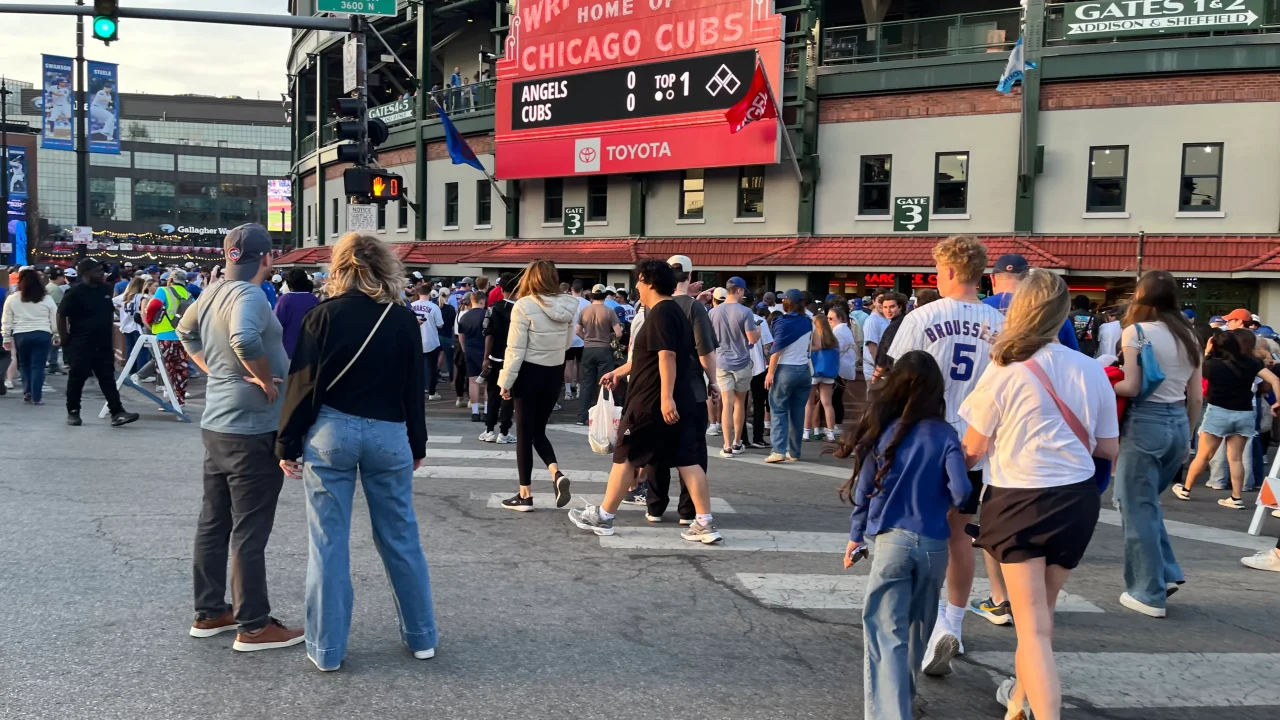
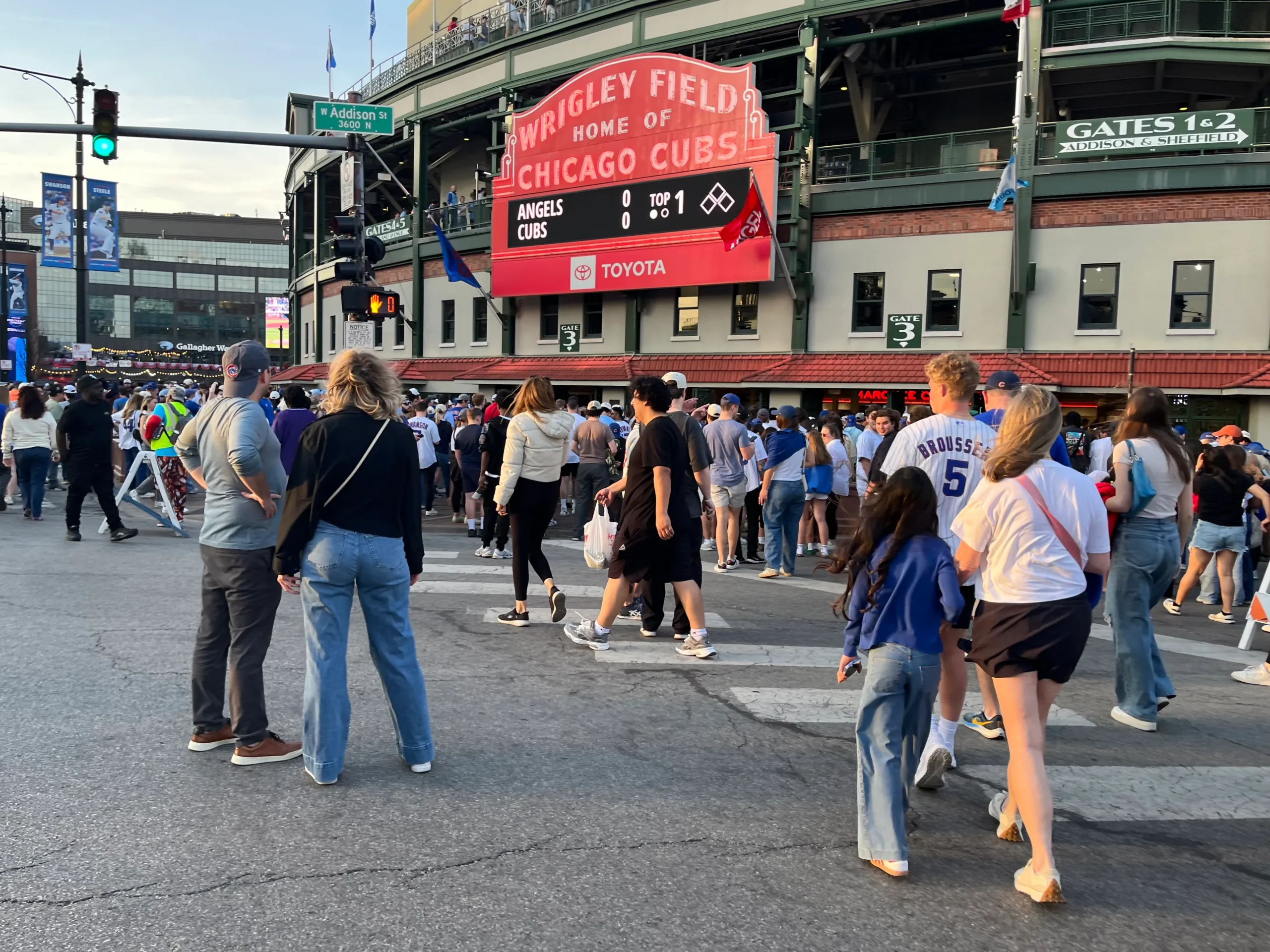
A revised proposal by the Chicago Cubs to significantly expand their Camry parking lot near Wrigley Field is facing strong opposition from neighborhood residents and urbanist organisations in Chicago. The team argues the additional parking is necessary to accommodate fans who drive and to reduce congestion on local residential streets. However, critics contend that adding hundreds of new parking spaces in a highly transit-accessible area contradicts Chicago’s broader urban planning goals for transit-oriented development (TOD), housing provision, and pedestrian-friendly environments.
The updated plan was presented at an East Lakeview Neighbors meeting, detailing modifications made after earlier community feedback. Key revisions include increased tree canopy around the lot’s perimeter, a new western traffic exit aimed at easing local street congestion, dedicated shuttle access for elderly and disabled fans, and planned traffic-calming measures nearby. Despite these adjustments, the core expansion—adding approximately 260 parking spaces—remains a point of contention.
Team representatives emphasised that the expansion is not linked to increasing stadium seating but rather to better manage existing parking demand. They highlighted that Wrigley Field currently has one parking space for every 26 fans, a ratio they claim is low compared to other major sports venues. They also noted a reduction in available parking in the surrounding area over the past decade, citing the replacement of a surface lot by Gallagher Way plaza and the loss of parking near a former McDonald’s.
Cubs officials acknowledged a recent decline in fans driving to games but stated that demand still outstrips available spaces. They cited internal surveys suggesting about 35% of attendees travel from over 50 miles away, particularly suburban fans, seniors, and those with mobility limitations, who often rely on cars.
Clash with Urban Planning Principles
The proposed parking expansion has become a focal point in a wider debate about land use and transportation policy in Chicago’s urban neighborhoods. Opponents, including Lakeview Urbanists, argue that increasing surface parking near the CTA Red Line, multiple bus routes, and dense mixed-use developments directly undermines the city’s commitment to encouraging TOD and reducing car dependency. They point out that the site falls within an area covered by Chicago’s Connected Communities ordinance, designed to promote denser development around transit hubs.
Lakeview Urbanists suggest the site could instead be used for much-needed housing or mixed-use development in a neighborhood experiencing rising rents and limited housing supply. They dispute the Cubs’ assertion that more parking would significantly alleviate neighborhood traffic or residential street parking demand.
Evolving Stadium Development Trends
The controversy also reflects a national shift in stadium development, where many major sports franchises are moving away from extensive surface parking lots towards mixed-use districts. These new developments often prioritise housing, retail, public spaces, and enhanced transit access. Opponents cited examples such as Fenway Park in Boston, the Atlanta Braves’ Battery development, and the United Center’s proposed “1901 Project” as models for more pedestrian-oriented, dense stadium districts.
During the meeting, Cubs representatives explicitly stated that housing is not being considered for the site, directly addressing a key concern from opponents. They also responded to worries about light pollution, tree removal, and traffic flow, claiming the revised plan would result in a net increase in trees and include additional landscaping. A lighting study is underway, and traffic-calming measures, such as raised crosswalks, are being explored.
Community Engagement and Decision Process
Residents questioned why the Cubs are pursuing surface parking rather than structured parking or alternative development forms, with one attendee directly asking why the team was “taking more land” instead of building a parking garage.
The proposal must navigate Chicago’s public approval process, involving reviews by the Chicago Plan Commission and the City Council. Ald. Bennett Lawson (44th Ward), whose ward includes the site and who is generally supportive of sustainable transportation, has not yet taken a formal public stance. However, organisers of the opposition campaign indicate that Lawson’s office has suggested community feedback will be influential in the final decision. Lakeview Urbanists reported that their online petition campaign has generated approximately 2,600 letters from about 2,000 participants to elected officials and the Cubs.
Key facts:
| Aspect | Detail |
| :——————– | :———————————————————————- |
| Proposed Action | Expansion of Camry parking lot by approximately 260 spaces |
| Location | Near Wrigley Field, Chicago (north of Grace Street, east of Clark Street) |
| Proponents’ Argument | Accommodate driving fans, reduce residential street congestion |
| Opponents’ Argument | Undermines TOD, housing, walkability; site suitable for housing/mixed-use |
| Approval Process | Requires review by Chicago Plan Commission and City Council |
Fuente: Streetsblog Chicago, The Cubs defended their revised Wrigleyville parking lot expansion plan, but neighbors are still calling foul, https://chi.streetsblog.org/2026/05/14/the-cubs-defended-the-revised-wrigleyville-parking-lot-expansion-plan-but-neighbors-are-still-calling-foul
Datos clave
| Punto | Detalle |
|---|---|
| Fuente | Streetsblog Chicago |
| Fecha | 2026-05-15T00:23:24+00:00 |
| Tema | The Cubs defended their revised Wrigleyville parking lot expansion plan, but neighbors are still calling foul |
Fuente
Streetsblog Chicago Publicacion original: 2026-05-15T00:23:24+00:00
Related updates
New York Poll Shows Overwhelming Bipartisan Support for Apartments Near Transit, Highlighting Contrast with London’s Own Housing Debate
A new poll from Open New York finds 79% of voters support building multi-family homes near rail stations, as the governor’s race…
Read update
Seattle City Attorney Launches New Community Court and Repeat Offender Programme Amid Public Defender Concerns
Seattle City Attorney Erika Evans has launched Connection Court, a new community court programme, alongside a punitive High-Priority Repeat Offenses system. The…
Read update
Seattle’s Centers & Corridors Zoning Update Delayed by Environmental Review Ruling
A state hearings board ruling has forced Seattle to rework the environmental impact statement for its twenty-year growth plan, pushing the next…
Read update
FEMA disaster mitigation grants freeze threatens to stall UK resilience learning, planners warn
A US Government Accountability Office report says $2.2 billion in FEMA Building Resilient Infrastructure and Communities grants remain unresolved, delaying more than…
Read updateWiki relacionada

Urban Planning Terms: Density, Public Realm and Transit-Oriented Development
A living glossary for terms that appear again and again in planning and development stories.
Read update